Inside Porsche’s revival bid: Pricier cars, tougher bonuses and less remote work
Source Entity
Latest News: Todays Latest News Headlines from India & World | Hindustan Times | Hindustan Times
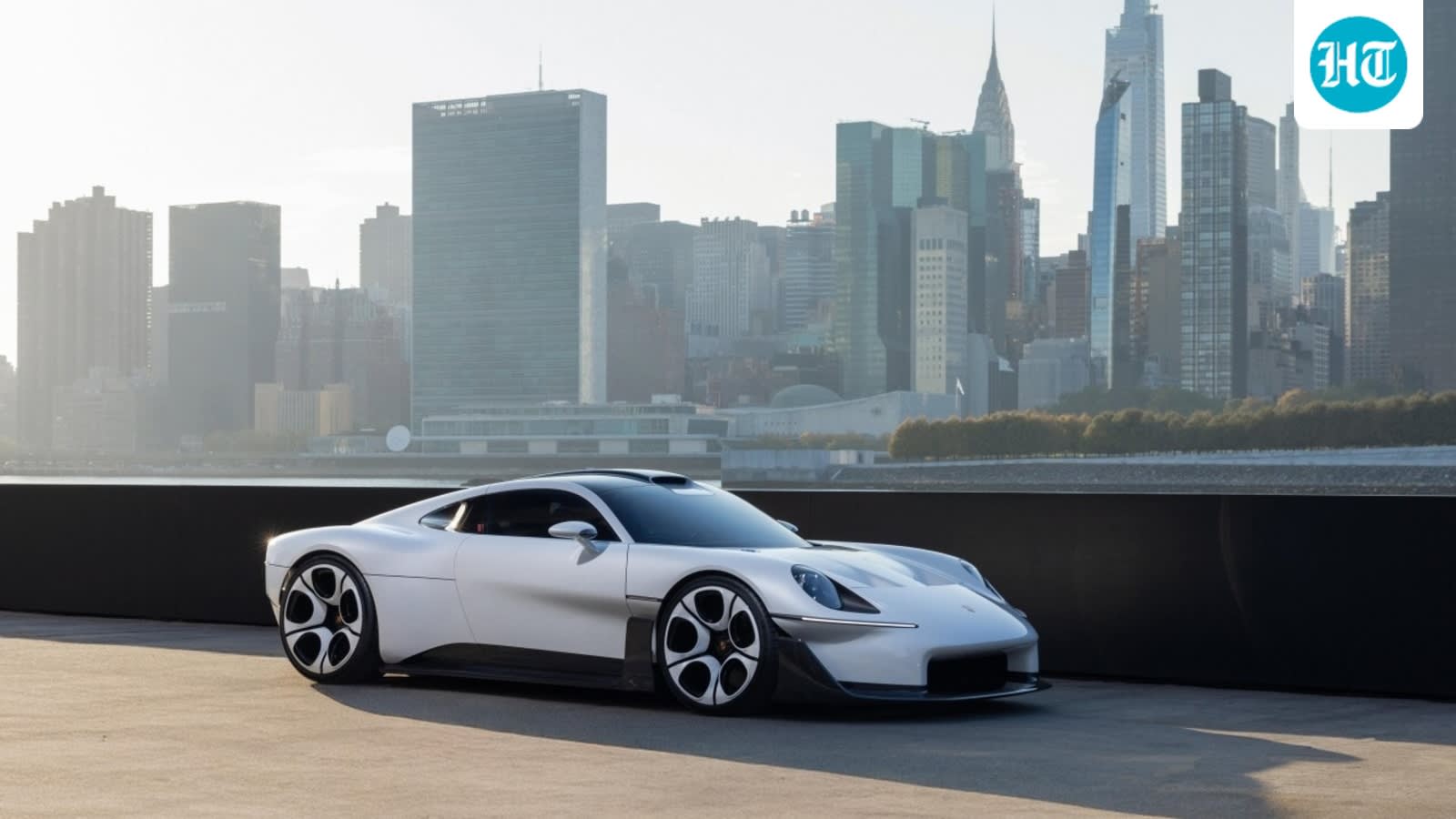
Porsche CEO Michael Leiters is implementing a rigorous performance-based culture to reverse the company's recent profit decline. The strategy focuses on higher luxury pricing and mandatory office attendance to boost collaborative efficiency and accountability.
Porsche’s Strategic Pivot: A New Era of Performance
Porsche, long considered the crown jewel of the German automotive industry, is currently undergoing a significant cultural and operational transformation. Under the leadership of new CEO Michael Leiters, the company is moving away from its historically generous, guaranteed bonus structures toward a model strictly tied to individual and company-wide performance. This shift comes at a critical juncture for the automaker, which has faced mounting pressure from cooling luxury demand and the need to restore profitability margins that have recently suffered.
The Performance-Based Compensation Shift
For decades, Porsche employees enjoyed some of the most stable and lucrative bonus packages in the automotive sector. Leiters, however, has signaled an end to this era of complacency. By explicitly linking annual payouts to the company’s profit recovery, Leiters is attempting to foster a high-stakes environment where every employee feels direct ownership over the brand's financial health. This move is designed to instill a sense of urgency and accountability that is often lost in large-scale manufacturing organizations.
The Case for Mandatory Office Presence
Central to Leiters' plan is an aggressive push to increase office attendance, reversing the trend of remote work that gained traction during the pandemic. Leiters has utilized a compelling analogy, comparing the office environment to the collective energy of a live concert or a sporting event. The underlying philosophy here is that the 'Porsche spirit'—an intangible asset essential to luxury engineering and design—cannot be adequately replicated through digital interfaces. By mandating in-person collaboration, the leadership team aims to boost creative output and streamline decision-making processes.
Luxury Pricing and Brand Positioning
Beyond internal culture, the strategy relies heavily on maintaining, or even increasing, the premium pricing of its iconic vehicles, such as the 911. By positioning the brand further up the luxury spectrum, Porsche intends to insulate itself from the volatility of the mass-market electric vehicle transition. This focus on high-margin products is essential for sustaining the R&D investments required to keep the brand relevant in an era of rapid technological disruption.
Challenges and Market Implications
The transition to a tougher, more performance-driven culture is not without risk. Porsche must balance the need for increased efficiency with the maintenance of its identity as a premium employer. If the cultural shift is perceived as too punitive, the company risks alienating its high-skilled workforce. However, if successful, this strategy could serve as a blueprint for other legacy automakers struggling to maintain profitability in a competitive global market.
Future Outlook
As Porsche navigates these internal changes, the industry will be watching closely to see if Leiters can successfully translate this new rigor into bottom-line growth. The success of this turnaround will likely depend on the company's ability to maintain its engineering excellence while simultaneously modernizing its operational structure. Should the profit margins recover, it will validate the necessity of these difficult cultural adjustments, cementing Porsche's position as a resilient leader in the luxury automotive space.
Verification Required?