Ford fends off Hyundai to retain No. 3 U.S. sales position in third quarter
Source Entity
US Top News and Analysis
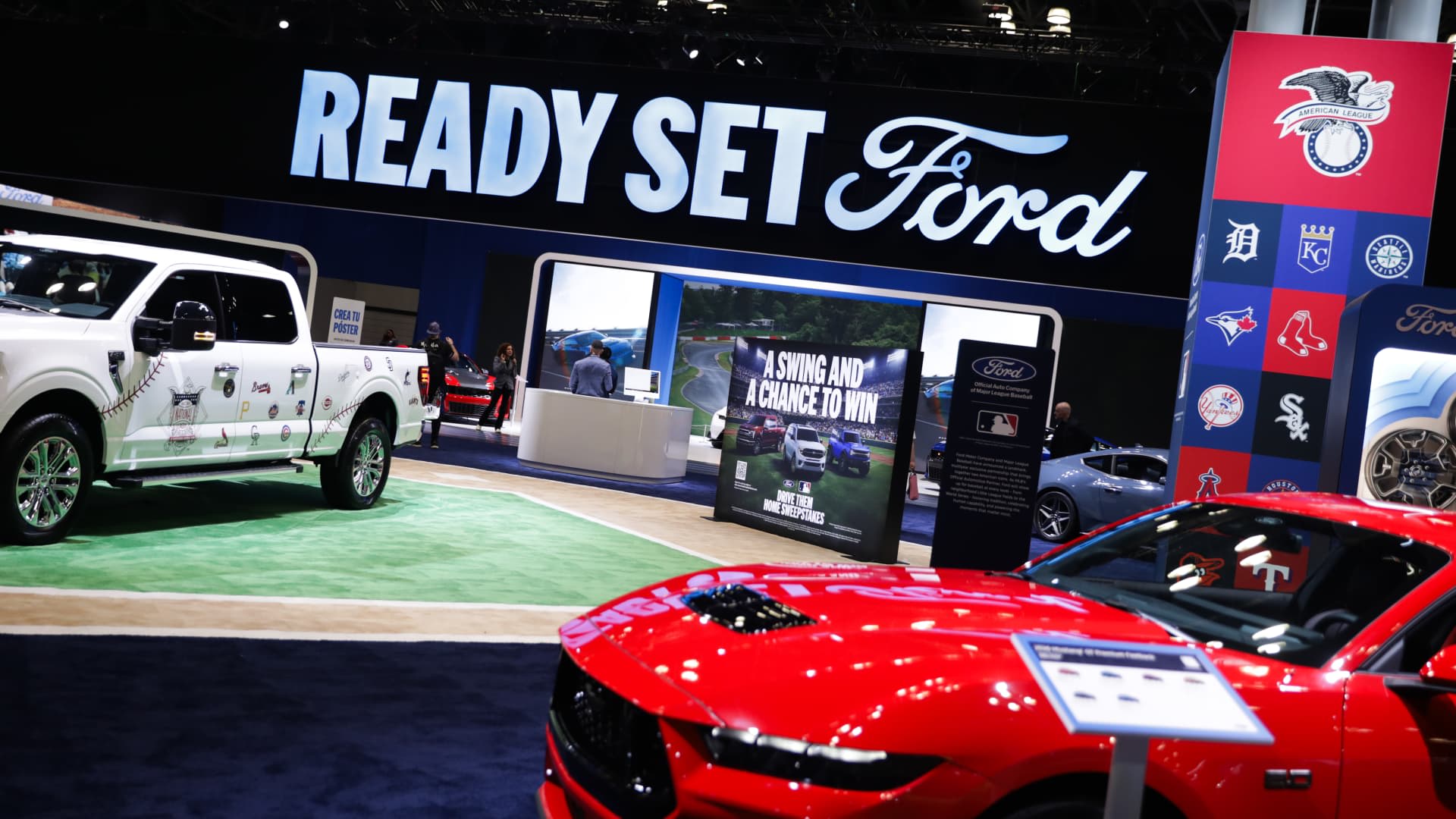
Ford successfully defended its third-place position in U.S. vehicle sales against Hyundai by a narrow margin of just over 1,000 units. Despite a 6.6% year-over-year decline, Ford outperformed industry forecasts that predicted a historic shift in market ranking.
Ford Retains Third Place in Competitive U.S. Auto Market
In a closely watched development for the American automotive sector, Ford Motor Company has successfully fended off a mounting challenge from Hyundai Motor Group to maintain its status as the third-largest automaker by sales volume in the United States. During the third quarter, Ford reported a sales total of 507,395 light-duty vehicles. While this represents a 6.6% decline compared to the same period in the previous year, it proved sufficient to narrowly edge out the South Korean conglomerate.
The Narrow Margin of Victory
The competition between the two manufacturers was remarkably tight, underscoring the shifting dynamics of the U.S. car market. Hyundai—which aggregates sales from its Hyundai, Kia, and Genesis brands—reported 506,200 vehicles sold, reflecting a robust 5.4% increase. The difference between the two titans was a mere 1,195 vehicles, a margin that highlights how rapidly Hyundai has closed the gap on traditional Detroit automakers through aggressive product expansion and electrification strategies.
Defying Industry Forecasts
The outcome of this quarter serves as a significant corrective to market expectations. Leading industry analysts at Cox Automotive had projected that Hyundai would likely overtake Ford in quarterly sales for the first time in history. The fact that both companies ultimately performed better than these specific forecasts suggests that consumer demand remains resilient despite broader economic pressures, even as Ford faces a contraction in its light-duty vehicle segment.
Strategic Implications for Ford
Ford’s reliance on its light-duty vehicle segment to maintain its ranking is notable, particularly because these figures exclude the company's heavy-duty truck lineup. This exclusion is a crucial detail for investors and analysts, as Ford’s strength has historically been anchored in its truck dominance. By focusing on light-duty performance, the company is signaling its ongoing effort to balance legacy strength with the need to maintain volume in high-competition segments where Hyundai and its subsidiaries have made significant inroads.
Future Market Trends
The narrowing gap between Ford and Hyundai reflects a broader trend toward increased parity in the U.S. automotive landscape. As Hyundai continues to invest in diverse vehicle platforms and brand diversification, the pressure on legacy automakers like Ford will only intensify. Future quarterly reports will likely focus on whether Ford can stabilize its light-duty sales or if the momentum currently enjoyed by Hyundai’s combined brand portfolio will inevitably lead to a change in the established order of U.S. sales rankings.