Jeffrey Epstein was murdered in prison, forensic expert challenges suicide ruling
Source Entity
The Indian Express
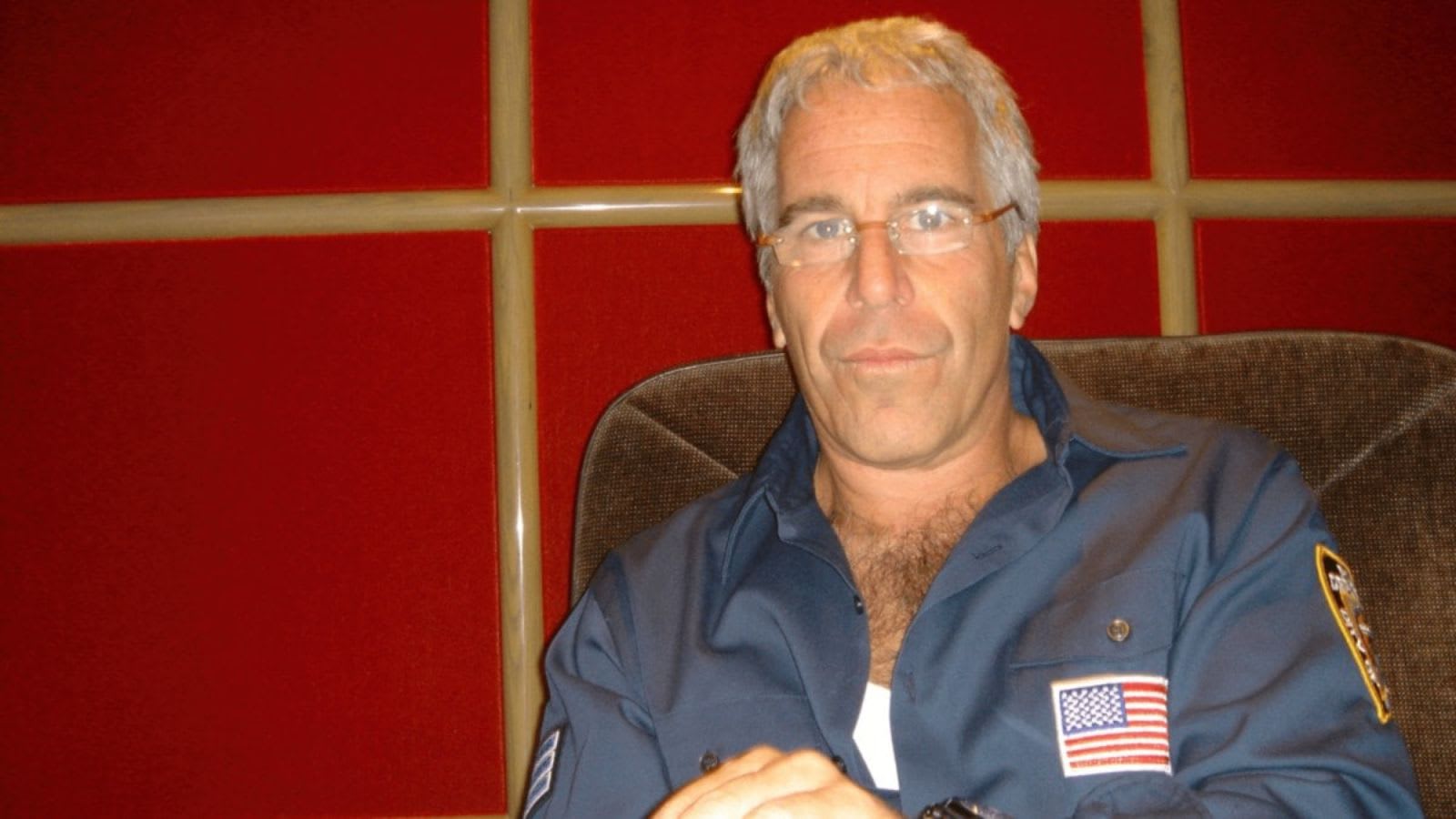
Forensic expert Professor Michael Freeman has challenged the official suicide ruling of Jeffrey Epstein's 2019 death, claiming autopsy evidence suggests homicide by strangulation. The New York City medical examiner maintains its original conclusion, citing consistency with hanging and a lack of defensive wounds.
The Controversy Surrounding Jeffrey Epstein's Death
Recent statements by forensic expert Professor Michael Freeman have reignited public discourse regarding the 2019 death of convicted sex offender Jeffrey Epstein. While the official autopsy, conducted by the New York City medical examiner’s office, concluded that Epstein died by suicide via hanging, Professor Freeman has challenged this finding. After reviewing autopsy photographs and records, Freeman asserts that the nature of the injuries on Epstein's neck and body are more indicative of strangulation, potentially occurring from behind, rather than self-inflicted hanging.
The Forensic Disagreement
The core of the dispute lies in the interpretation of physical evidence. Dr. Barbara Sampson, the Chief Medical Examiner who oversaw the 2019 autopsy, stands by her original determination. Her office maintains that the injuries were consistent with suicide and explicitly noted the absence of defensive wounds that would typically be present in a struggle resulting in homicide. This creates a stark divide between the official government conclusion and the independent assessment provided by Professor Freeman, who spent a year analyzing the available files.
Limitations of Independent Analysis
It is critical to note that Professor Freeman’s assessment comes with significant caveats. He did not perform a physical examination of the body, relying instead on provided photographs and documentation. Furthermore, his research regarding this specific case has not undergone the rigorous process of peer review. These limitations are often cited by officials to maintain the integrity of the original investigation, which was conducted under the auspices of the New York City medical examiner’s office.
The Broader Context of the 2019 Case
Jeffrey Epstein was awaiting trial on serious federal sex trafficking charges when he was discovered dead in his cell at the Metropolitan Correctional Center on August 10, 2019. The high-profile nature of his case, coupled with his extensive connections to powerful global figures, fostered an environment of extreme public skepticism. Despite multiple official investigations finding no evidence of third-party involvement, the intensity of public interest ensures that even years later, any challenge to the official narrative draws significant media and public attention.
Implications for Forensic Science and Public Trust
This debate highlights the complexities inherent in forensic pathology, where the interpretation of injuries can sometimes lead to differing expert opinions. While the medical examiner's office remains the final authority in death investigations, the emergence of dissenting expert voices like Professor Freeman serves to remind the public of the ongoing scrutiny applied to this case. As it stands, the official ruling of suicide remains unchanged, but the persistence of these questions underscores the profound difficulty in achieving universal consensus on such a sensitive and high-stakes death.