Imran Khan seeks urgent medical care fearing he 'may not return alive'
Source Entity
BBC News
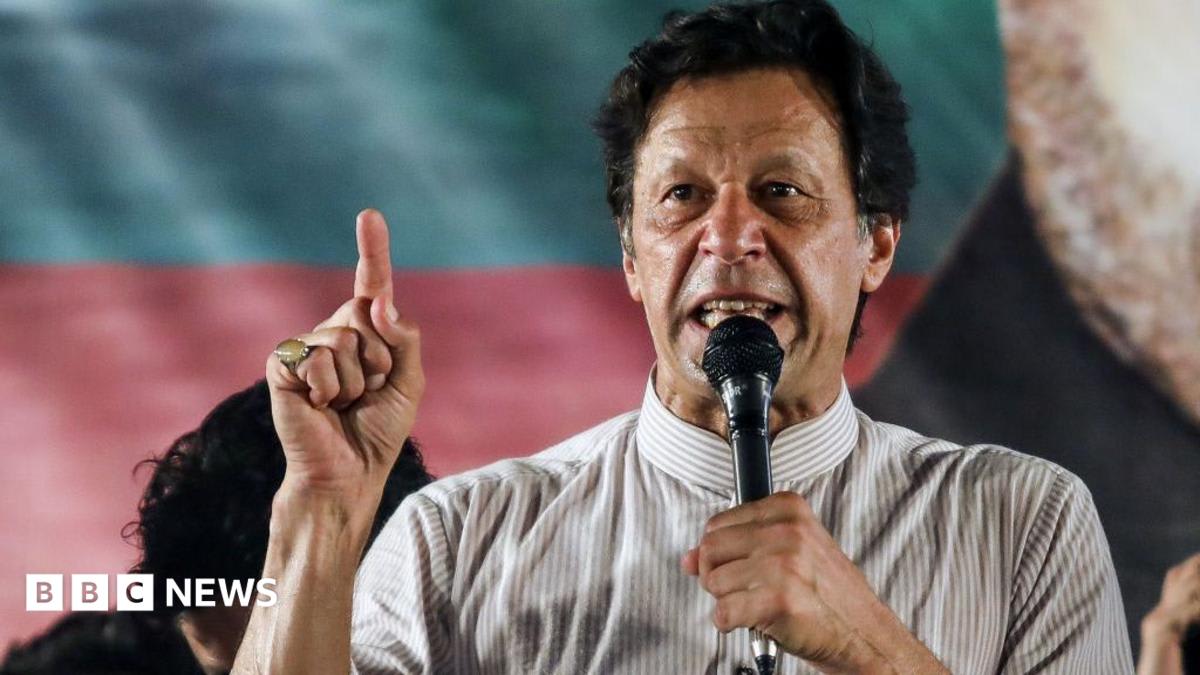
Former Pakistan PM Imran Khan has issued a desperate plea to the judiciary regarding his deteriorating health and solitary confinement at Adiala Jail. He alleges medical neglect and warns that he may not survive, while authorities maintain his health is satisfactory.
The Imprisonment and Health Crisis of Imran Khan
Former Pakistan Prime Minister Imran Khan, currently incarcerated at Rawalpindi’s Adiala Jail, has issued a grave warning to the nation's top judicial authorities. Through an open letter drafted by his legal counsel, Barrister Salman Safdar, the PTI chairman has highlighted a critical decline in his physical condition, explicitly stating that he fears he may not return alive from his current confinement. This plea underscores the intensifying friction between the former leader and the state apparatus that has held him in custody since August 2023.
Medical Alarms and Prison Conditions
At the center of Khan’s appeal are specific medical metrics that paint a harrowing picture of his time in isolation. Khan reports that his blood pressure has reached alarming levels, specifically citing readings of 192 and 193. His legal team reports that doctors have cautioned him about the heightened risk of a heart attack or brain hemorrhage. Furthermore, Khan describes a state of prolonged solitary confinement, noting that he is held for up to 22 hours daily, a condition he argues is exacerbating his health issues and denying him proper access to necessary medical intervention.
The Humanitarian Plea for Bushra Bibi
Beyond his own health, Khan has expressed deep concern for his wife, Bushra Bibi, who remains imprisoned alongside him. He has alleged that her health is in steep decline, particularly noting a significant deterioration in her vision following a recent surgery. Khan claims that the authorities have neglected to provide adequate care, raising serious questions about the treatment of high-profile political detainees within the Pakistani penal system and the state's adherence to humanitarian standards.
Institutional Conflict and Judicial Oversight
This development highlights a recurring theme in Khan’s incarceration: the failure to implement court-ordered relief. Khan asserts that previous directives from the Supreme Court regarding his transfer to a hospital and his right to communicate with his family have been ignored by prison authorities. This creates a volatile dynamic where the executive-controlled prison administration appears to be in direct defiance of judicial mandates, further fueling the perception that the over 100 charges against him—ranging from corruption to the illegal sale of state gifts—are politically motivated.
Government Response and Future Implications
In contrast to Khan's claims, authorities in Islamabad have consistently maintained that the former Prime Minister is receiving regular medical attention. Official statements suggest that he is examined by doctors on a weekly basis and that his health is considered "satisfactory." This discrepancy between the claims of the state and the pleas of the prisoner suggests a deepening crisis of trust. As the legal battles continue, the international community and domestic observers remain focused on whether the judiciary will intervene to ensure the basic rights of a former head of state or if the standoff will lead to a irreversible health tragedy.
Multiple Citing Sources