25 years on, Kutch lessons on crisis and rebuilding
Source Entity
Rajeev Topno
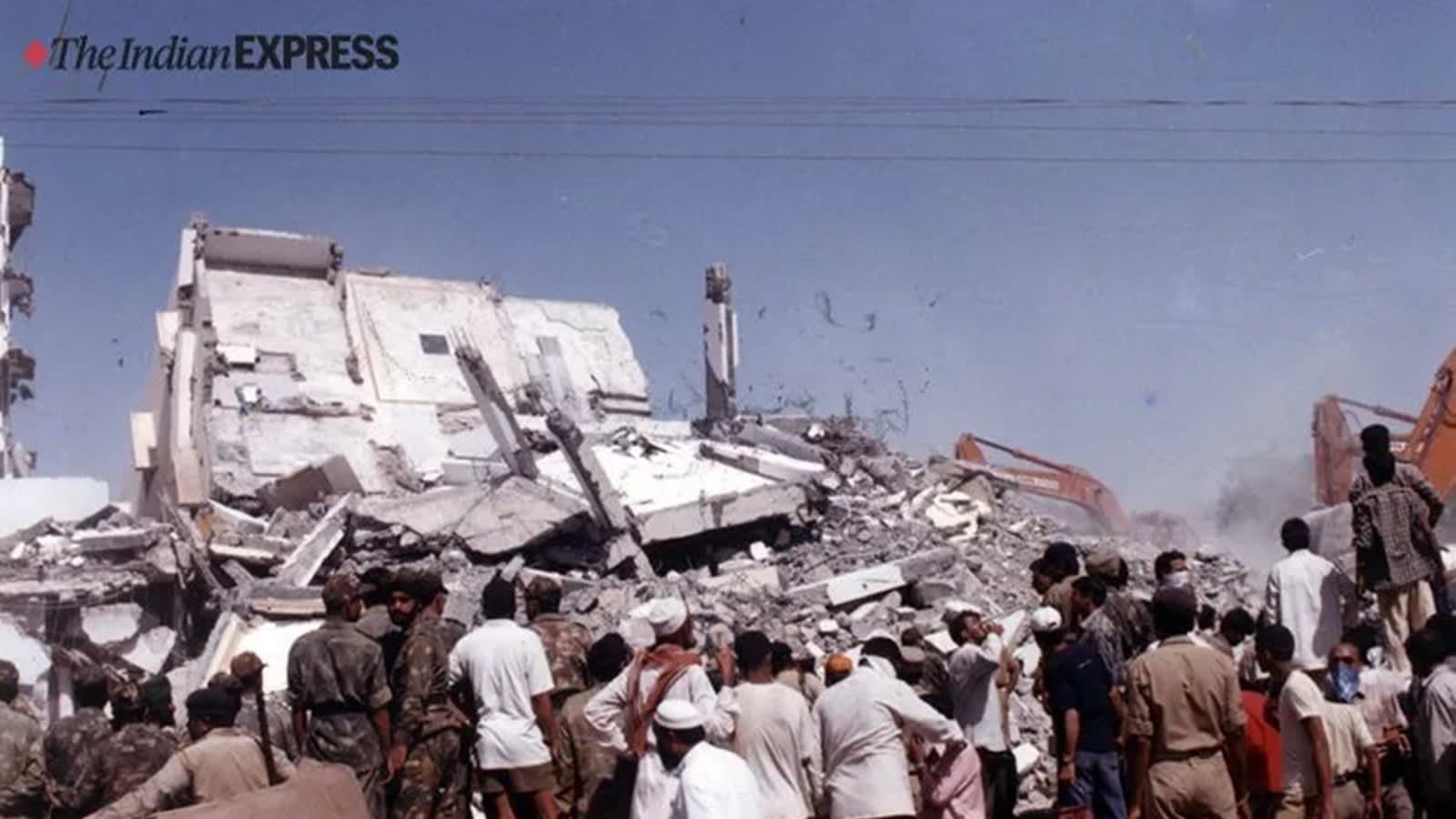
Twenty-five years after the devastating 2001 Kutch earthquake, the recovery efforts remain a benchmark for disaster management. The tragedy catalyzed the creation of the Gujarat State Disaster Management Authority and revolutionized India's approach to crisis response.
The Legacy of the 2001 Kutch Earthquake: Lessons in Resilience
Twenty-five years ago, the Kutch region of Gujarat witnessed one of the most catastrophic natural disasters in modern Indian history. On the morning of January 26, 2001, a massive earthquake transformed the landscape, turning residential structures into rubble and claiming over 12,000 lives. For those on the ground, such as the district development officers tasked with immediate crisis management, the event was a harrowing introduction to the sheer unpredictability of tectonic forces and the immediate, overwhelming demands of disaster relief.
The Immediate Impact and Chaos
The psychological and physical trauma of the event was instantaneous. As described by those present, the sensation of the earth moving like jelly beneath vehicles and the subsequent collapse of over 70% of homes in more than 300 villages created a scene of profound devastation. This wasn't merely a structural failure; it was a total collapse of local infrastructure, requiring a rapid shift from administrative routine to emergency rescue and humanitarian aid operations on an unprecedented scale.
Institutionalizing Disaster Response
One of the most significant outcomes of the Kutch earthquake was the realization that ad-hoc crisis management was insufficient for a region prone to seismic activity. On February 8, 2001—barely two weeks after the disaster—the Gujarat State Disaster Management Authority (GSDMA) was formally established. This move marked a watershed moment in Indian governance, shifting the focus from reactive relief to proactive, structured disaster management and institutionalized planning.
Reconstruction and Housing Policy
Rebuilding Kutch required a complex, multi-tiered approach to housing. The state government introduced five distinct housing packages, which were designed to address the varying needs of the affected population. These policies were critical not only for physical reconstruction but for restoring the social fabric of villages that had been decimated. By empowering the affected individuals to take charge of their own recovery through these structured packages, the state set a template for future post-disaster rehabilitation efforts.
Long-term Implications and Future Trends
Looking back after a quarter-century, the Kutch experience underscores the importance of resilient infrastructure and decentralized disaster preparedness. The lessons learned in 2001 have informed subsequent national policies regarding earthquake-resistant construction and the importance of localized disaster management authorities. As we look to the future, the integration of real-time monitoring and strict adherence to building codes remains the primary defense against such tragedies.
Conclusion
The anniversary of the Kutch earthquake serves as both a somber remembrance of the lives lost and a testament to the efficacy of institutional reform. By evolving from a state of total unpreparedness to creating a robust framework for disaster management, Kutch stands as a case study in resilience. The legacy of 2001 continues to guide how nations should prepare for, respond to, and recover from the inevitable challenges posed by natural disasters.