Kremlin pushes back on Yalta comparison ahead of first Trump-Putin-Xi meeting
Source Entity
Latest News: Todays Latest News Headlines from India & World | Hindustan Times
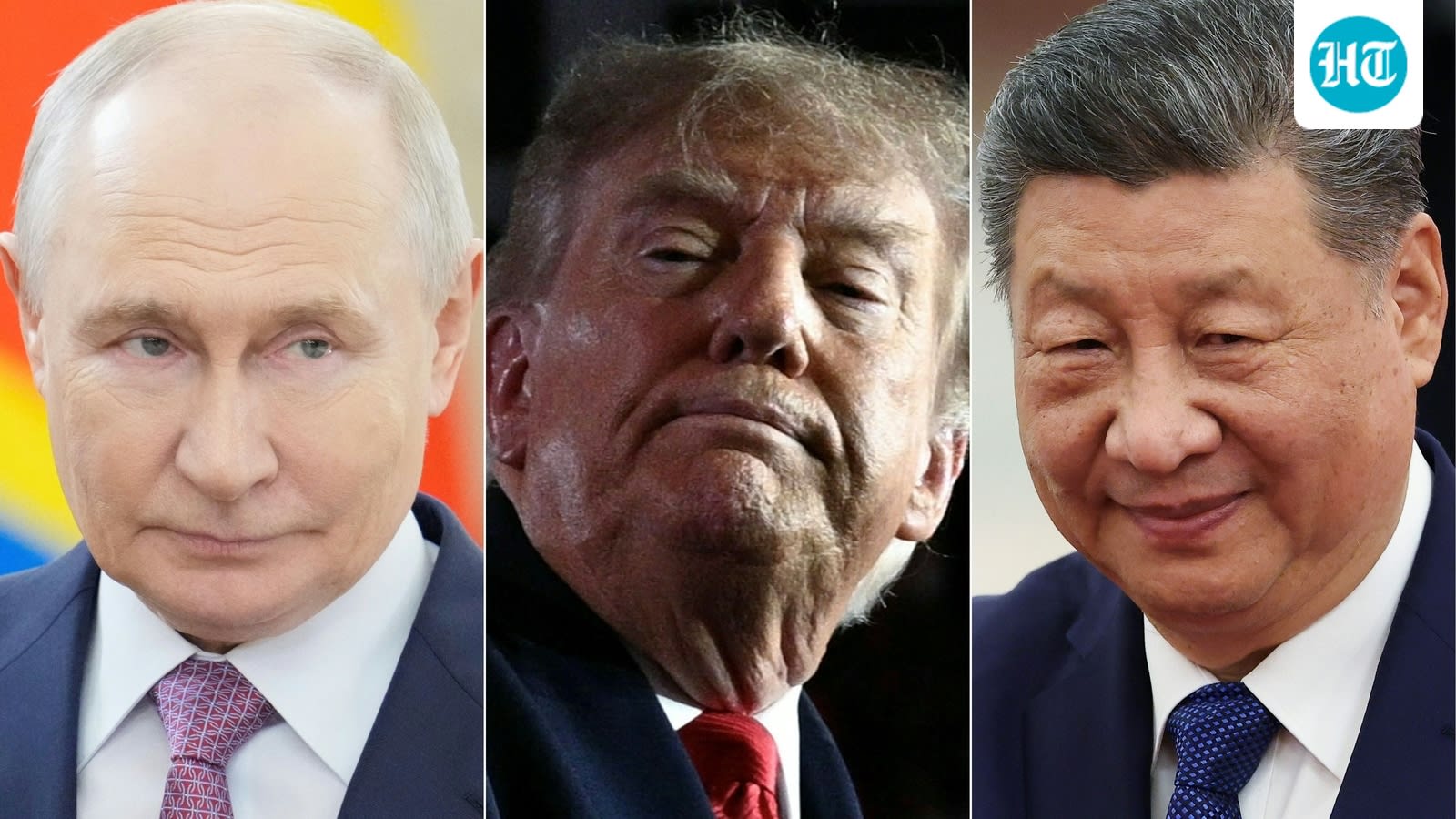
The Quad has reconvened in Manila to address Indo-Pacific security, while simultaneously, a historic first-ever trilateral summit between the leaders of the US, China, and Russia is scheduled for November 19 in Shenzhen. These high-stakes diplomatic maneuvers signal a complex shift in global power dynamics and international relations.
A Pivot Point in Global Diplomacy
The landscape of international relations is undergoing a significant transformation as two major diplomatic events converge: the reactivation of the Quad grouping in Manila and the announcement of a historic trilateral summit between the United States, China, and Russia. The Quad meeting, featuring leaders from India, Australia, Japan, and the US, serves as a critical signal of renewed commitment to Indo-Pacific security. By addressing unilateral military action and economic coercion, the grouping is reasserting its relevance as a countervailing force in a region increasingly defined by great power competition.
The Quad’s Resurgence in the Indo-Pacific
Since its revival in 2017, the Quad has functioned as a vital, albeit occasionally inconsistent, mechanism for regional stability. The two-year gap in leader-level summits had previously fueled skepticism regarding its long-term efficacy, particularly given the diverse geopolitical interests of its members. However, the meeting on the sidelines of the ASEAN Summit in Manila effectively dispels these doubts. For India, this participation reinforces its strategic doctrine of multi-alignment, allowing the nation to balance its interests among global powers while actively shaping the security architecture of the Indo-Pacific.
The Trilateral Summit: A New Paradigm
Simultaneously, the announcement of a trilateral meeting between Presidents Xi Jinping, Donald Trump, and Vladimir Putin in Shenzhen marks a watershed moment in 21st-century diplomacy. Scheduled for November 19, this meeting occurs on the sidelines of the 33rd APEC Economic Leaders' Meeting. The fact that the Kremlin and the White House have both confirmed this unprecedented gathering underscores the gravity of the event, which aims to address pressing global concerns ranging from ongoing geopolitical conflicts to the regulation of artificial intelligence and nuclear arms control.
Intersecting Interests and Global Implications
These two events, while distinct in their objectives, are deeply interconnected. The Quad’s focus on maintaining a rules-based order in the Indo-Pacific provides a clear contrast to the high-level dialogue occurring between the world’s most dominant military and economic powers in Shenzhen. The trilateral summit represents a pragmatic attempt to manage friction between the US, China, and Russia, potentially creating a framework for de-escalation in areas where their interests collide most sharply.
Strategic Balancing and Future Trends
Moving forward, the success of these initiatives will depend on the ability of these nations to reconcile their national agendas with the collective need for global stability. The Quad’s commitment to opposing economic coercion addresses the anxieties of smaller nations in the Indo-Pacific, while the trilateral summit suggests a move toward a new form of power management. As these leaders navigate the complexities of AI, nuclear proliferation, and regional security, the international community will be watching to see if these high-level dialogues translate into tangible policy shifts or remain merely symbolic gestures of diplomacy.
Multiple Citing Sources
Verification Required?