Building co-owner held in East Delhi structure collapse that killed two
Source Entity
The Indian Express
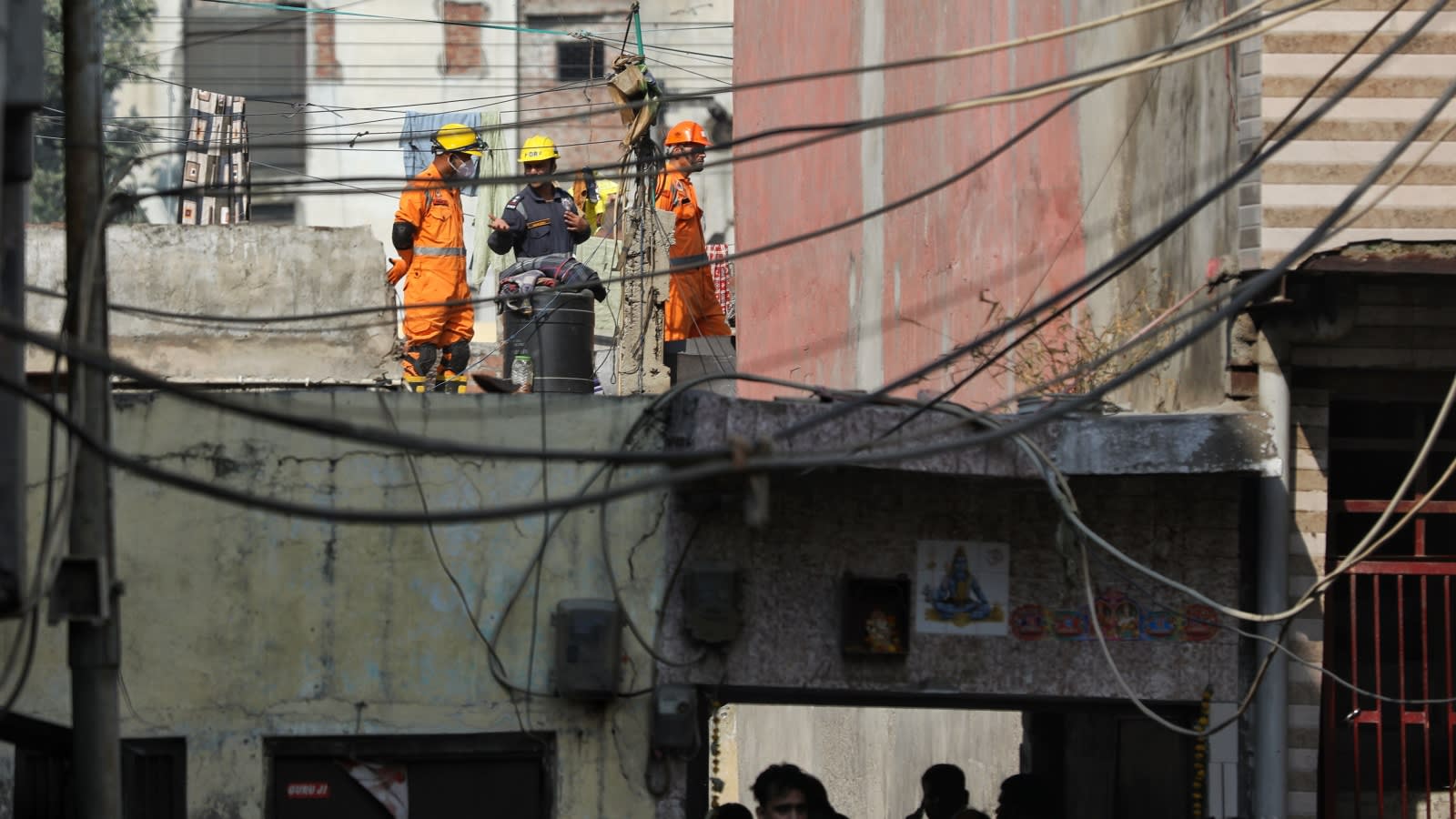
Police have arrested brothers Veer and Surendar Singh following a fatal building collapse in East Delhi's Vivek Vihar that claimed two lives. The incident highlights critical issues regarding structural neglect and construction on unauthorized land.
Tragedy in East Delhi: A Failure of Oversight
A devastating building collapse in East Delhi’s Vivek Vihar has left the community in mourning after a three-year-old boy and a 35-year-old man lost their lives. The incident, which occurred in Gali Number 6, has prompted swift legal action, with police arresting the property’s co-owners, Veer Singh and Surendar Singh. This tragedy serves as a grim reminder of the lethal consequences of structural neglect and the disregard for building safety standards in densely populated urban environments.
Accountability and Legal Consequences
Following the collapse, law enforcement moved quickly to hold the owners accountable. Veer Singh, 46, was taken into custody on Wednesday, followed by the arrest of his 45-year-old brother, Surendar Singh, on Friday. By securing these arrests, authorities are signaling a zero-tolerance approach toward property owners who fail to maintain safe living conditions. However, the legal proceedings are merely the first step in addressing the systemic failures that allowed this structure to remain occupied despite its compromised state.
The Shadow of Unauthorized Construction
One of the most alarming aspects of this case is the Municipal Corporation of Delhi (MCD) report, which identified the site as being situated on “encroached” Railways land. Building on unauthorized or encroached land often means that structures exist outside the purview of formal building codes, safety audits, and engineering oversight. This lack of regulatory scrutiny creates a dangerous environment where buildings are prone to deterioration without any institutional intervention.
A History of Ignored Warnings
Perhaps the most distressing element of this incident is the testimony of local residents, who claim they repeatedly notified the owners of visible cracks and the building’s ongoing deterioration. Despite these explicit warnings, no repairs were carried out, suggesting a blatant disregard for tenant safety. This highlights a culture of negligence where profit or convenience often takes precedence over the structural integrity of residential spaces, leaving unsuspecting occupants vulnerable to preventable catastrophes.
Broader Implications for Urban Safety
This collapse raises urgent questions about the safety of aging, unregulated, or encroached structures across the capital. When property owners ignore structural warning signs, the risk to human life increases exponentially. The Vivek Vihar incident must serve as a catalyst for a broader audit of similar structures in the region. Without proactive identification of hazardous buildings and stricter enforcement of safety protocols on encroached land, the city faces a recurring threat of similar disasters.
Conclusion
As the investigation into the Vivek Vihar collapse continues, the focus must remain on justice for the victims and the implementation of more rigorous urban planning policies. The arrests of the property owners are a necessary punitive measure, but long-term safety requires a collaborative effort between civic bodies, land management agencies, and local residents to ensure that such a preventable loss of life does not occur again.