Iran planning dirty bomb attack in Washington, US intel warns
Source Entity
AYUSH PANDEY
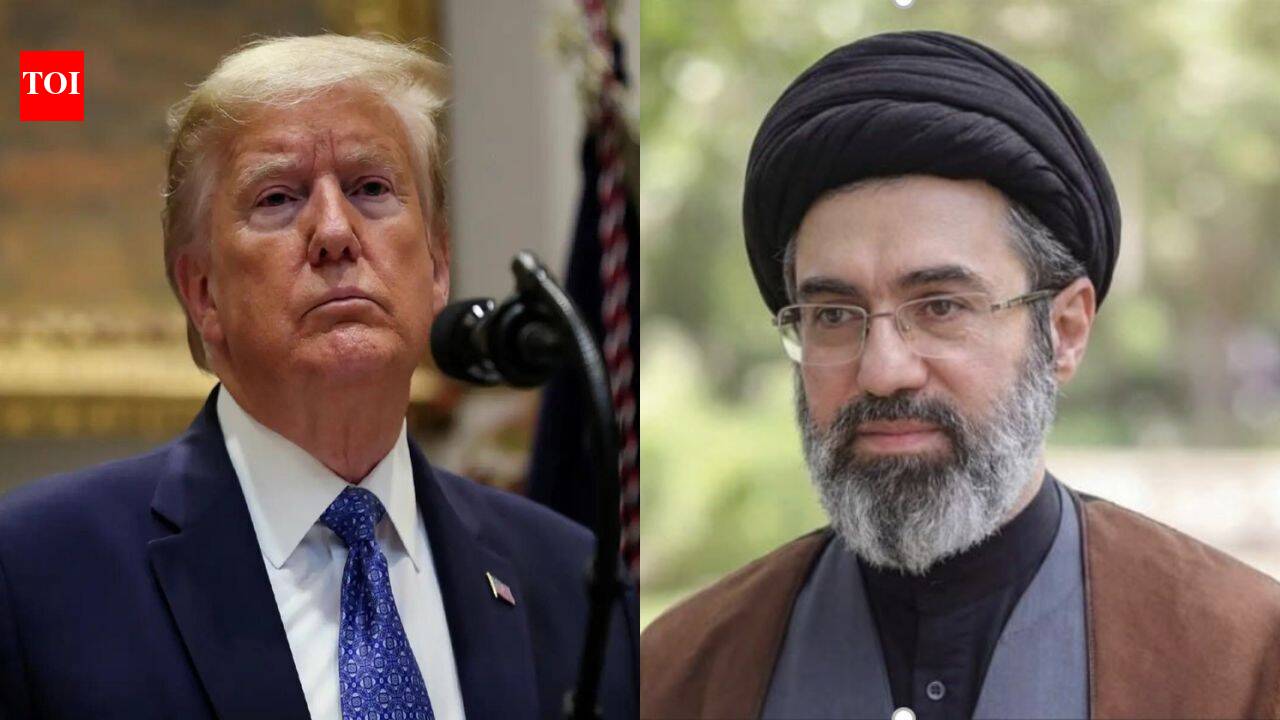
US intelligence is investigating reports of Iranian contingency planning involving potential dirty bomb or chemical attacks against senior officials. While President Trump has warned of severe consequences, the White House maintains there are currently no credible threats to the homeland.
Escalating Tensions: The Alleged Iranian Threat Assessment
Recent intelligence reports have brought to light concerns regarding Iranian contingency planning aimed at high-ranking members of the Trump administration. According to multiple sources, US intelligence agencies have identified potential plots involving the use of radioactive 'dirty bombs' or chemical weapons within Washington, D.C. While the intelligence community continues to debate the feasibility and intent behind these plans, the mere existence of such discussions has prompted a significant security posture review.
The Nature of the Threat
A 'dirty bomb,' or radiological dispersal device, is designed to contaminate an area with radioactive material using conventional explosives rather than a nuclear detonation. While the physical blast may be limited, the psychological impact and the resulting economic disruption of a radioactive event in the nation's capital would be catastrophic. The intelligence suggests that Iran may be exploring these options as part of a broader strategy, though experts remain divided on whether Tehran possesses the current operational capacity or the political will to execute such an attack on American soil.
Diplomatic and Political Repercussions
President Donald Trump has responded to these reports with a stern warning, stating that Iran would face unprecedented consequences if such plans were to be realized. During a summit in the Philippines, the President underscored the gravity of the situation, linking these reported threats to his administration's broader stance on Iranian nuclear ambitions. This rhetoric serves to highlight the deepening divide between Washington and Tehran, framing the potential attack as a justification for the current trajectory of the ongoing conflict.
Intelligence and Security Reality
Despite the alarming nature of these reports, the White House has moved to temper public alarm. Spokesperson Lauren Bis confirmed that the administration is monitoring all potential threats but explicitly stated that there are currently no credible threats to the homeland. This distinction is critical; intelligence agencies often track 'contingency planning'—which represents the range of options a hostile actor might consider—rather than an imminent or actionable plot. The intelligence community is currently analyzing whether these plans are active preparations or merely theoretical posturing.
Broader Regional Implications
Beyond the potential for a domestic attack, there are significant concerns regarding the safety of US military personnel stationed in the Middle East. The reports indicate that the same intelligence identifying threats to Washington also highlights risks to American troops abroad, specifically regarding the potential use of chemical weapons. This dual-front concern necessitates a robust surveillance strategy and heightened security measures at both domestic and international installations.
Future Outlook and Conclusion
The situation remains fluid as US officials continue to scrutinize the intelligence. Whether these reports reflect a genuine shift in Iranian strategy or an attempt to project power amidst regional instability remains the central question for policymakers. As the situation evolves, the administration faces the delicate task of maintaining domestic security without unnecessarily escalating regional tensions. The focus remains on intelligence gathering to distinguish between strategic posturing and genuine, imminent threats to the United States.