Gunman Dead After 2 Public Safety Officers Shot In New York City
Source Entity
NDTV News Search Records Found 1000
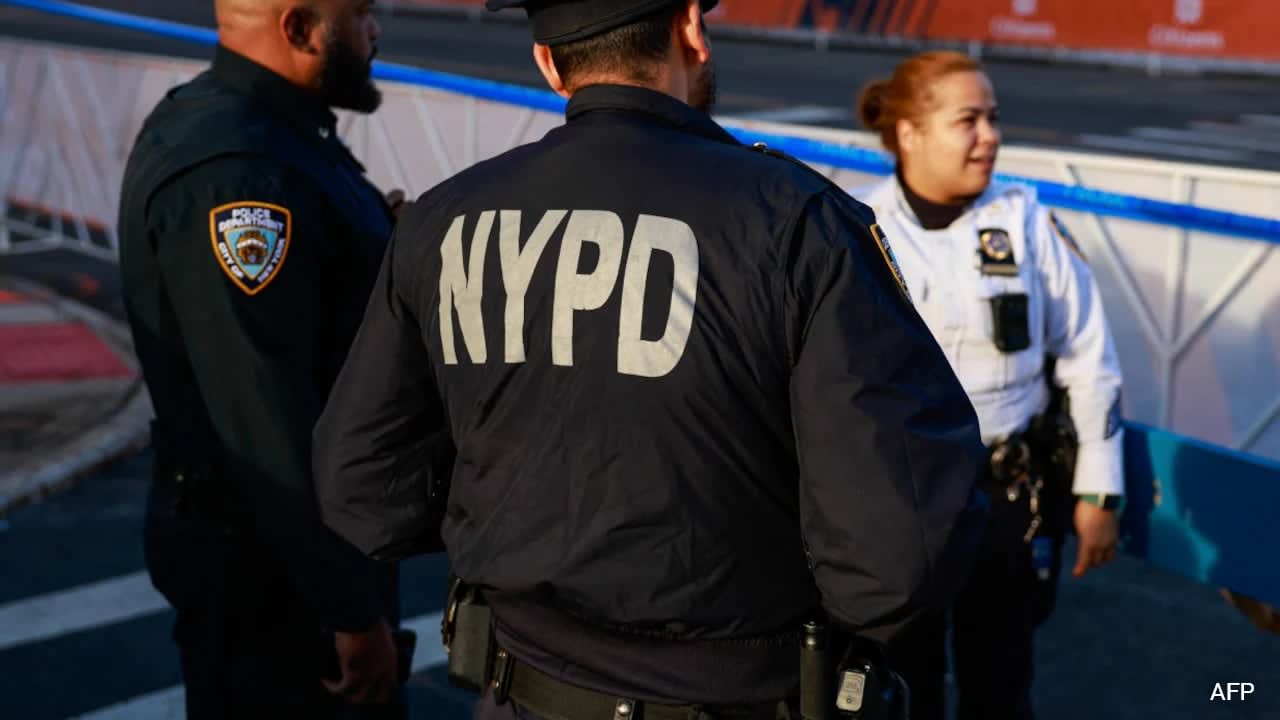
Two private security officers were wounded in a shooting at the Co-op City complex in the Bronx. The suspected gunman later died from a self-inflicted gunshot wound following a standoff with police.
Incident Overview: Security Crisis at Co-op City
On Monday, a violent confrontation unfolded at the Co-op City apartment complex in the Bronx, New York, resulting in the wounding of two public safety officers. According to reports from the New York Police Department (NYPD), the individuals targeted were members of the Co-op City Department of Public Safety, a specialized private security force tasked with maintaining order within the massive residential development. The incident escalated quickly, drawing a significant law enforcement response to the site.
The Nature of the Response
The situation began when the two officers were shot while performing their duties at the complex. Following the initial shooting, the suspect barricaded himself inside an apartment, triggering a tense standoff. The NYPD eventually confirmed that the suspect was found dead inside the unit, having succumbed to a self-inflicted gunshot wound. The swift containment of the shooter prevented further casualties, though the event underscores the inherent risks faced by private security personnel operating in high-density urban environments.
Clarifying the Casualty Count
Initial reports regarding the shooting were subject to revision as the situation unfolded. While early assessments suggested that three individuals might have been injured, the NYPD later corrected this figure to two. This adjustment highlights the chaotic nature of active shooter incidents and the challenges authorities face in verifying critical information while simultaneously managing an ongoing tactical operation to secure the scene and prioritize medical aid for the victims.
Implications for Private Security Forces
This incident brings renewed attention to the role of private security forces within large-scale residential complexes like Co-op City. Unlike municipal police departments, these entities operate under specific jurisdictional mandates, yet they are often the first to confront volatile situations. The fact that the victims were treated for non-life-threatening injuries is a relief, but the event serves as a stark reminder of the security challenges inherent in managing one of the world's largest cooperative housing developments.
Broader Urban Safety Trends
Urban residential security remains a complex challenge for New York City. As private departments increasingly work in tandem with the NYPD, incidents like this emphasize the necessity for robust communication and coordinated training protocols. While the immediate threat was neutralized by the suspect's death, the community and security stakeholders will likely review safety procedures to determine how such a violent encounter could be better mitigated in the future.
Conclusion
In summary, the shooting at Co-op City was a localized yet severe incident that tested the coordination between private security and the NYPD. With the gunman deceased and the officers expected to recover, the focus now shifts toward the investigation of the motive and the evaluation of safety protocols within the complex. This event serves as a critical case study in the risks associated with private law enforcement in modern, high-density residential settings.
Verification Required?