The people who make us who we are today
Source Entity
Latest News: Todays Latest News Headlines from India & World | Hindustan Times | Hindustan Times
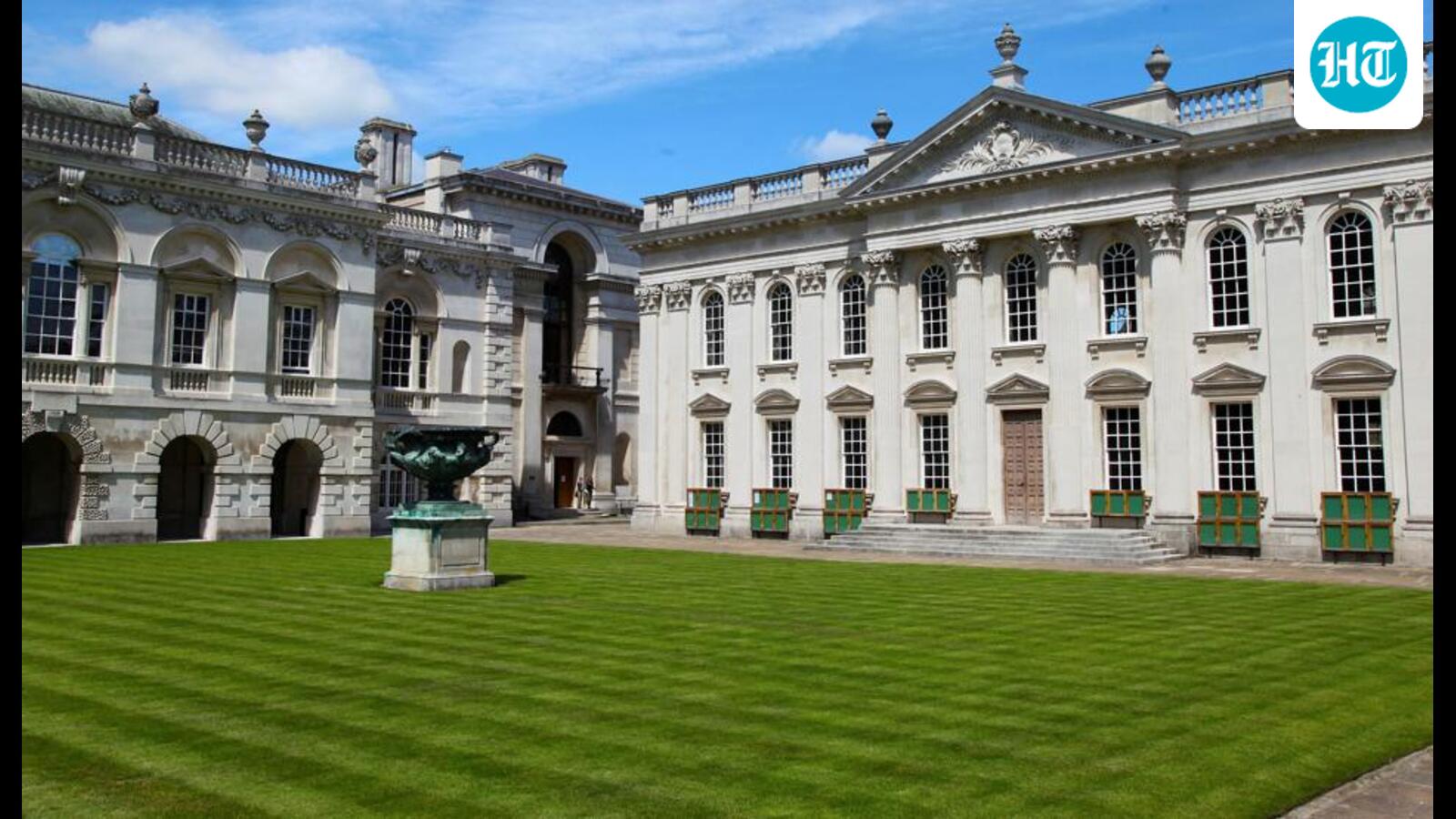
The author reflects on key formative influences from their academic journey, highlighting the roles of mentors like Gurdial Singh at Doon School and Michael Kuczynski at Cambridge. These relationships underscore the importance of guidance in shaping personal character and academic development.
The Architects of Character: Reflecting on Formative Influences
The Search for Personal Origins
At a recent Manthan Samvaad event in Hyderabad, the author was prompted to reflect on the pivotal figures who shaped their identity. This inquiry into the past serves as a reminder that our current selves are rarely the product of solitary evolution; rather, they are the result of a complex web of mentorship, education, and social conditioning. By acknowledging these influences, the author highlights how early interactions provide the foundational framework for navigating the complexities of adulthood.
The Doon School and the Role of 'Guru'
Central to the author’s development was Gurdial Singh, affectionately known as 'Guru,' the housemaster at Doon School. As a geography teacher and swimming supervisor, Singh’s influence extended far beyond the classroom or the pool. The role of a housemaster in an institution like Doon is inherently transformative, acting as a surrogate guardian who molds students' discipline, ethics, and worldview during their most impressionable years. The moniker 'Guru' signifies not just a title, but a deep-seated respect for the mentorship he provided.
Academic Freedom at Cambridge
Transitioning from the structured environment of an Indian boarding school to the intellectual liberty of Cambridge University represented a significant shift in the author's developmental trajectory. Cambridge, known for its non-compulsory lecture attendance and light enforcement of discipline, forces students to cultivate internal motivation. In this environment, the author found a vital anchor in Michael Kuczynski, their tutor. Kuczynski’s role as both a mentor and a friend illustrates the importance of academic support systems that prioritize intellectual growth over rigid oversight.
The Legacy of Mentorship
These specific relationships illustrate a broader theme: the necessity of supportive figures during transitional life phases. Whether it is the structured guidance provided at Doon or the autonomy-focused mentorship at Cambridge, the quality of these interactions remains a critical determinant of personal success. The author’s reflection suggests that while we are responsible for our own mistakes, the wisdom imparted by these mentors provides the tools to learn from those errors and move forward.
Conclusion: The Synthesis of Experience
Ultimately, the author’s reflections confirm that identity is a composite of one's experiences and the people encountered along the way. By identifying key figures like Gurdial Singh and Michael Kuczynski, the author demonstrates that mentorship is not merely about academic instruction, but about the interpersonal connection that fosters personal growth. Recognizing these influences allows individuals to better understand their own journey and the ongoing process of becoming.
Verification Required?