Former deputy mayor barred from PMC premises after woman staff alleges misconduct
Source Entity
Latest News: Todays Latest News Headlines from India & World | Hindustan Times
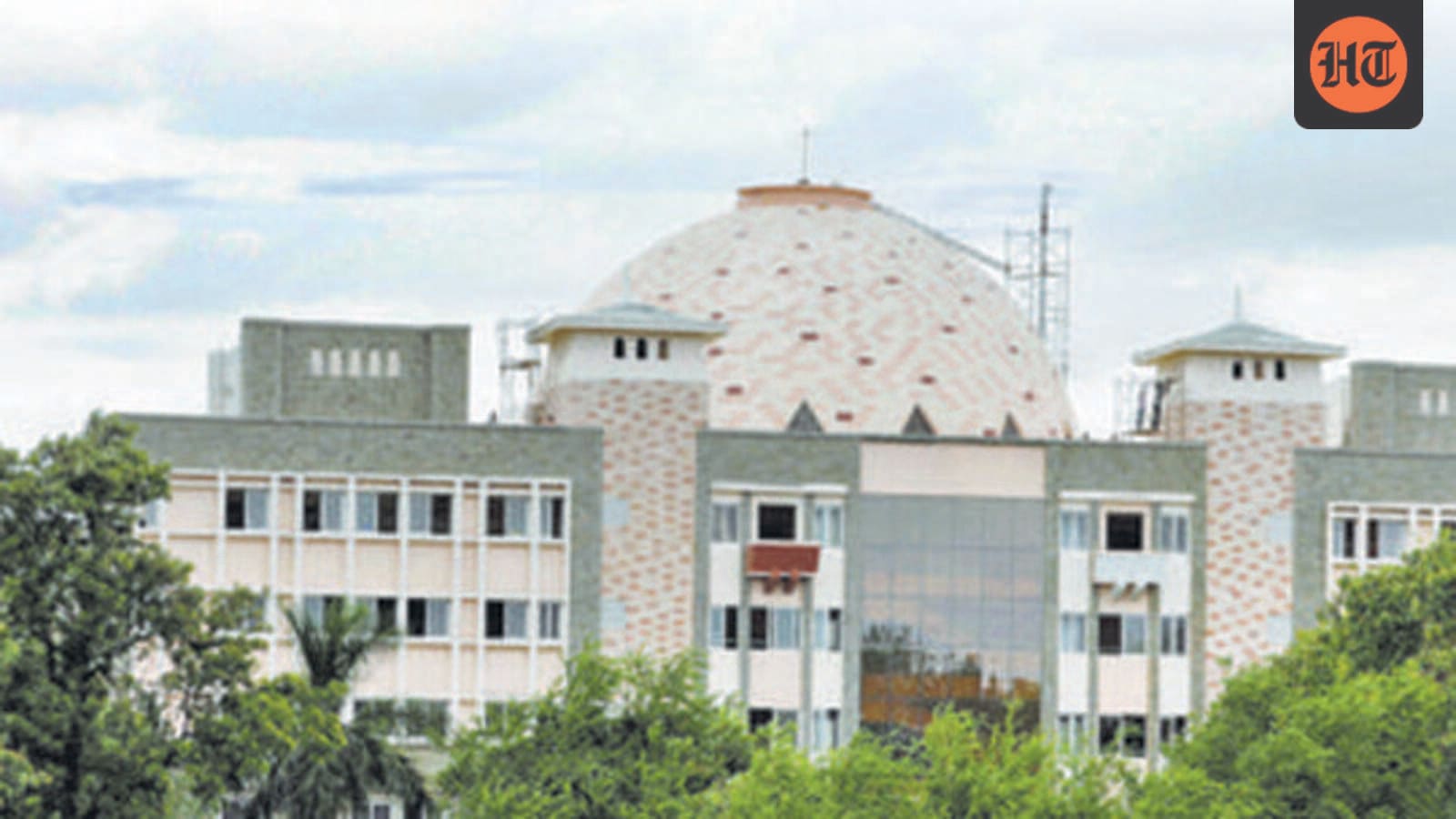
The Pune Municipal Corporation has barred a former deputy mayor from its premises following allegations of misconduct against a female staff member. The incident, occurring during a standing committee meeting, has sparked protests among municipal employees demanding accountability.
Administrative Action Following Allegations of Misconduct at PMC
The Pune Municipal Corporation (PMC) administration has taken the decisive step of barring a former deputy mayor from entering the civic headquarters until further notice. This administrative directive follows a formal complaint lodged by a female employee of the municipal secretary department, who alleges that the former elected representative engaged in misconduct. The incident reportedly occurred on Thursday afternoon, a time when the PMC standing committee was actively conducting a meeting, creating a high-profile environment for the alleged infraction.
The Internal Grievance Process
Upon receiving the complaint, the PMC administration initiated internal protocols by referring the matter to the Vishakha Committee. This body, established under the Sexual Harassment of Women at Workplace (Prevention, Prohibition and Redressal) Act, 2013, is designed to provide a secure mechanism for employees to report workplace grievances. By involving this committee, the civic body adheres to its legal obligations to investigate claims of misconduct, ensuring that the complainant’s allegations are handled with the necessary procedural rigor while protecting the sanctity of the workplace.
Impact on Municipal Operations and Staff Morale
The fallout from this incident has been immediate, manifesting as widespread resentment among the municipal workforce. Civic employees have expressed significant dissatisfaction, viewing the alleged behavior as a violation of the professional environment necessary for municipal governance. The demand for strict action against the former corporator reflects a growing intolerance among staff for any form of harassment or intimidation by political figures, regardless of their past status within the municipal hierarchy.
Contextualizing Political Accountability
In the context of local governance, former elected representatives often maintain a degree of influence or access to municipal premises. However, the PMC’s decision to restrict entry underscores a shift toward prioritizing employee safety over political courtesy. This move sets a precedent for how municipal bodies handle interactions between former officials and current staff, suggesting that the administration is attempting to insulate its employees from potential influence or harassment during sensitive committee proceedings.
Broader Implications for Workplace Safety
This event highlights the broader, systemic challenge of maintaining a safe and respectful work environment in government offices where political and administrative duties overlap. The fact that the incident allegedly transpired while a standing committee meeting—a core function of local governance—was in progress suggests a breach of the professional decorum expected within the civic headquarters. The ongoing investigation will likely serve as a benchmark for how the PMC addresses power imbalances between elected officials and administrative staff.
Conclusion and Future Outlook
As the Vishakha Committee continues its inquiry, the focus remains on the integrity of the investigative process and the protection of the complainant. Moving forward, the PMC administration faces the challenge of balancing political cooperation with the absolute necessity of maintaining a harassment-free workplace. The outcome of this case will undoubtedly influence future policies regarding the access of former representatives to municipal buildings, as the corporation seeks to restore order and address the legitimate grievances of its workforce.
Verification Required?