This unpronounceable series of glyphs is an incredible side project from Kieran Hebden (aka Four Tet)
Source Entity
Terrence O’Brien
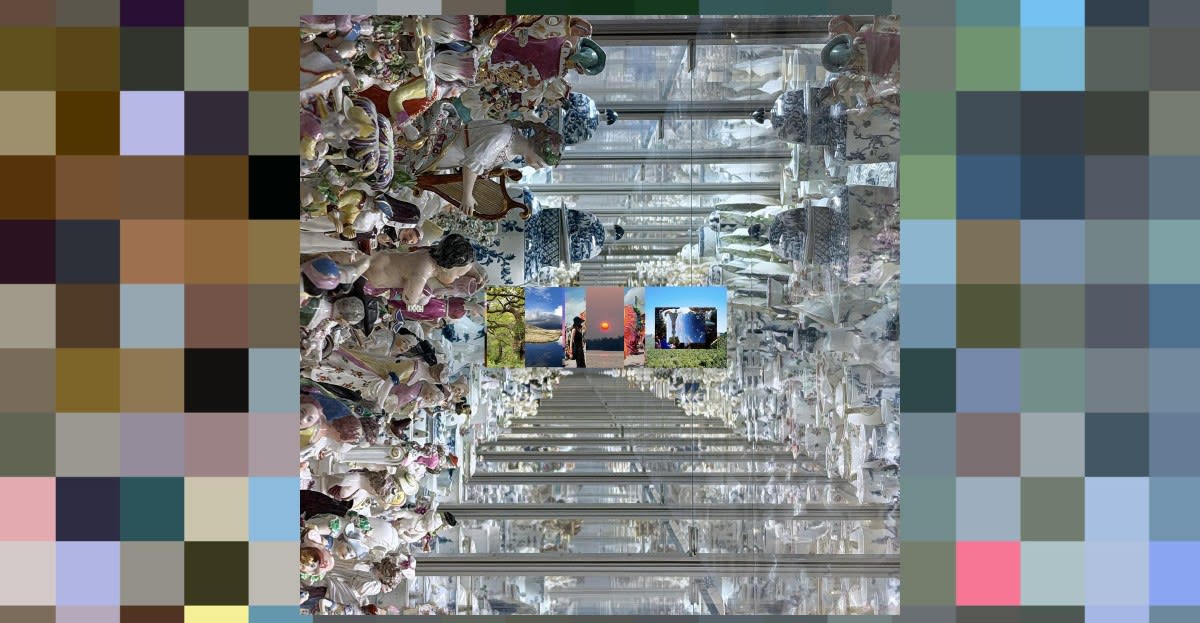
Kieran Hebden, known as Four Tet, has launched a side project utilizing unpronounceable glyphs for artist and track names. This experimental approach results in inconsistent rendering across streaming platforms and makes the project nearly impossible to search via traditional means.
The Art of Digital Obscurity: Analyzing Four Tet's Glyph Project
Kieran Hebden, widely recognized by his stage name Four Tet, has embarked on a provocative side project that challenges the very foundations of digital discovery and identity. Rather than utilizing a standard alphanumeric name or title, Hebden has opted for a series of unpronounceable glyphs and complex Unicode characters. This decision transforms the music release from a simple audio experience into a conceptual exploration of digital typography and the limitations of modern software interfaces.
The Challenge of Digital Discoverability
A central theme of this project is its deliberate "un-Googleability." In an era where SEO and discoverability are paramount for artists to maintain visibility, Hebden’s use of glyphs creates a functional barrier between the creator and the consumer. By making the project nearly impossible to search for via traditional text queries, the artist forces a more serendipitous or curated form of discovery. This effectively strips away the algorithmic ease that typically defines modern music consumption, requiring the listener to find the work through indirect means rather than a simple search bar.
Technical Fragmentation and Rendering
The project also highlights the technical inconsistencies of the modern web. As reported, the glyphs render differently across major streaming platforms such as YouTube Music, Apple Music, and Bandcamp. This fragmentation occurs because different platforms utilize different font libraries and Unicode rendering engines to interpret non-standard characters. For the listener, this means the visual identity of the project is fluid and unstable, shifting and distorting based on the specific software interface used to access the music, thereby turning the metadata into a variable element of the art.
Artistic Lineage and the Symbol
The use of an unpronounceable identity draws a direct parallel to the artistic sensibilities of figures like Prince, who famously replaced his name with an unpronounceable symbol. While Prince's move was largely a statement against contractual obligations and a claim of spiritual autonomy, Hebden's approach is more rooted in the digital "glitch" aesthetic. It serves as a commentary on how we perceive names and identifiers in a digital environment where characters can be stacked, distorted, and broken through the use of combining marks (often referred to as Zalgo text).
Digital Anonymity vs. Brand Identity
By separating this work from the established "Four Tet" brand, Hebden explores a form of digital anonymity. For a high-profile artist, the ability to release music that cannot be easily indexed or categorized is both a luxury and a creative experiment. It allows the music to exist independently of the artist's established reputation, challenging the listener to engage with the sonic content without the preconceived notions associated with a known professional name.
Conclusion: Subverting the Standard
Ultimately, this project serves as a critique of the standardization of digital content. By utilizing characters that defy pronunciation and consistent rendering, Hebden turns the administrative data of a music release into a piece of art itself. The project serves as a reminder that despite the push toward a unified global web, the underlying infrastructure remains fragmented and susceptible to artistic subversion, proving that there are still ways to remain hidden in plain sight within the digital landscape.