From Ramayana to Guru Dutt: How Fouzia Dastango is giving Dastangoi a new voice
Source Entity
Utsa Ganguly
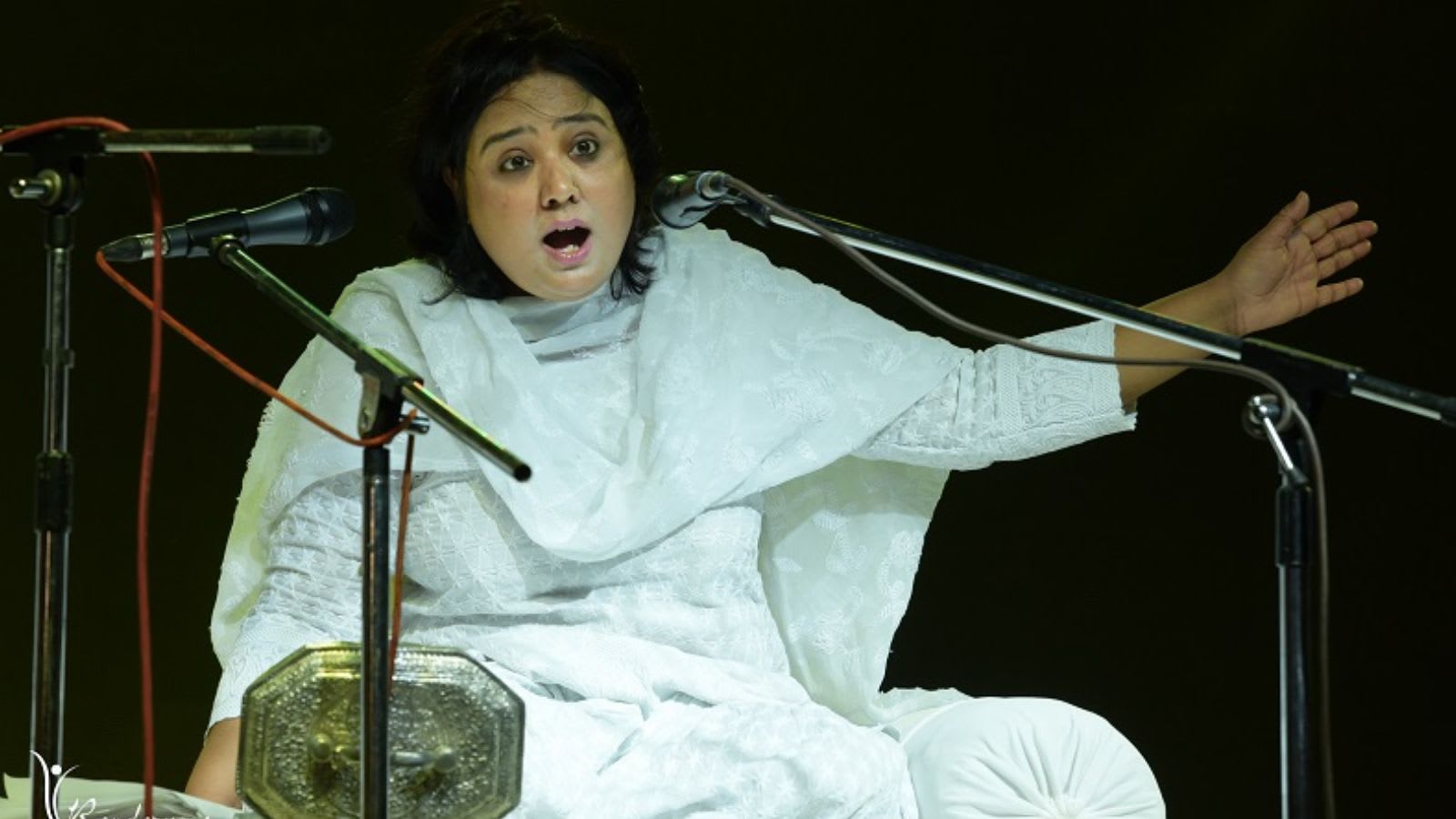
Fouzia Dastango is revitalizing the ancient Urdu storytelling tradition of Dastangoi by incorporating contemporary themes. By narrating diverse narratives like the Ramayana and the life of Guru Dutt, she is bridging cultural gaps and preserving oral heritage.
The Resurgence of Dastangoi: A Modern Evolution
Fouzia Dastango’s artistic odyssey began in 2006 at Dayal Singh College, where a chance encounter with Dastangoi sparked a lifelong commitment to the craft. Once a fading tradition, Dastangoi—a 16th-century Urdu oral storytelling form—has found a new, vibrant voice through her efforts. By stepping into a space historically dominated by men, Fouzia has not only challenged gender norms within the performing arts but has also redefined the boundaries of what this traditional medium can express.
Expanding the Narrative Horizon
Historically, Dastangoi was characterized by its focus on epic adventures and tales of magic and valor. Fouzia Dastango has significantly pivoted from this traditional repertoire by weaving unconventional narratives into the performance. Her work now encompasses Urdu interpretations of the Ramayana and the Mahabharata, demonstrating the art form's incredible versatility. By adapting these foundational Indian epics into the Urdu oral tradition, she fosters a unique cultural synthesis that promotes inclusivity through language and performance.
Bridging History and Contemporary Relevance
Beyond mythological epics, Fouzia uses Dastangoi to document the lives of influential modern figures, such as filmmaker Guru Dutt and Captain Mahendra Nath Mulla. This approach transforms the stage into a space for historical inquiry and emotional resonance. By narrating the lives of these icons, she ensures that the legacies of 20th-century Indian history are preserved through the evocative power of poetry and spoken word, making them accessible to younger, contemporary audiences.
Challenging Taboos and Societal Norms
At the heart of Fouzia’s performance philosophy is the intent to address social taboos. Dastangoi is inherently rooted in the rhythmic beauty of the Urdu language, and Fouzia leverages this linguistic richness to tackle sensitive societal issues. Her performances serve as a mirror to modern life, using the weight of tradition to critique and engage with current social anxieties, thereby proving that the art form is not merely a museum piece but a living, breathing tool for social discourse.
Future Trends in Oral Storytelling
As we look forward, the work of practitioners like Fouzia suggests a promising trend in cultural preservation. By marrying classical techniques with modern thematic choices, Dastangoi is successfully finding its place in the 21st-century digital and performative landscape. Her ability to keep the art form relevant while maintaining its core identity ensures that the oral tradition of storytelling remains a vital component of India's cultural fabric for generations to come.