Fox On The Runway In Kolkata, IndiGo Flight Diverted Just Before Landing
Source Entity
NDTV News Search Records Found 1000
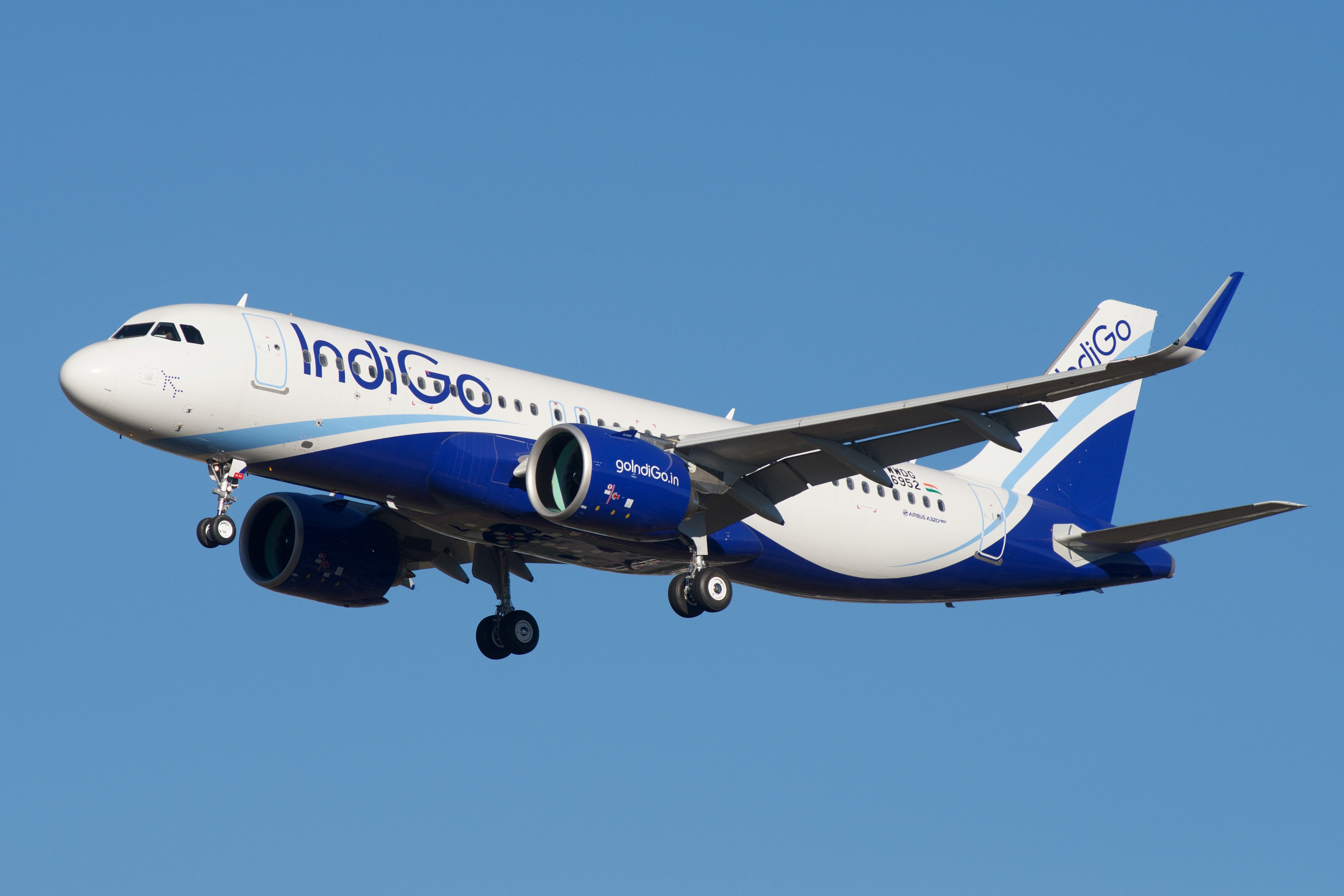
An IndiGo flight approaching Kolkata was forced to abort its landing after a fox was spotted on the runway. Air Traffic Control successfully directed the pilot to perform a go-around, ensuring the safety of all passengers and crew.
Runway Incursion: A Rare Aviation Safety Incident
In a concerning display of wildlife interference with modern aviation, an IndiGo flight approaching the Kolkata airport was forced to execute an emergency go-around procedure after a fox was sighted on the active runway. This incident highlights the critical role of Air Traffic Control (ATC) in maintaining real-time situational awareness, as they identified the hazard just moments before the aircraft was scheduled to touch down.
The Mechanics of the Go-Around
A 'go-around' is a standard, albeit high-stakes, safety procedure in aviation where a pilot aborts a landing attempt to climb back to a safe altitude. In this instance, the directive from the ATC served as the primary safeguard against a potential ground collision. By prioritizing the safety of the flight over the scheduled landing, the ground crew prevented what could have been a hazardous interaction between the aircraft and the animal, which could have resulted in structural damage or loss of traction during the rollout phase.
Wildlife Management and Airport Infrastructure
Airports are large, open spaces that often attract local fauna, posing a persistent challenge for ground operations. The presence of a fox on a major commercial runway underscores the necessity for rigorous perimeter security and wildlife management protocols. While airports typically employ various deterrents—such as acoustic devices, habitat modification, and fencing—the intrusion of a predator like a fox indicates a potential breach in these defenses that requires a review of current airport maintenance and patrolling strategies.
Broader Aviation Safety Implications
Beyond the immediate logistical delay, this event draws attention to the broader risks of Foreign Object Debris (FOD) and biological hazards on runways. While bird strikes are more commonly documented in aviation safety literature, the presence of terrestrial animals on runways is equally dangerous due to their ability to damage landing gear or cause pilot distraction during the critical landing phase. This incident serves as a reminder that safety is a multi-layered process involving both the aircrew and ground staff.
Future Trends in Runway Surveillance
As airports seek to modernize, the integration of automated surveillance technology—such as AI-powered video analytics and thermal imaging—is becoming increasingly essential. These systems can detect unauthorized movement on runways faster than human observation, potentially reducing the reliance on manual sightings. The Kolkata incident may serve as a case study for Indian aviation authorities to evaluate the efficacy of their current wildlife mitigation strategies and the potential for increased automation in runway monitoring.
Conclusion
The successful diversion of the IndiGo flight demonstrates the effectiveness of existing safety communication loops between ATC and flight crews. While the inconvenience to passengers is noted, the decision to abort the landing was the correct operational choice. Moving forward, the incident emphasizes the ongoing need for strict adherence to ground safety protocols to protect both wildlife and the integrity of commercial flight operations.
Verification Required?