Framework’s premium laptop is shipping with less RAM
Source Entity
Jess Weatherbed
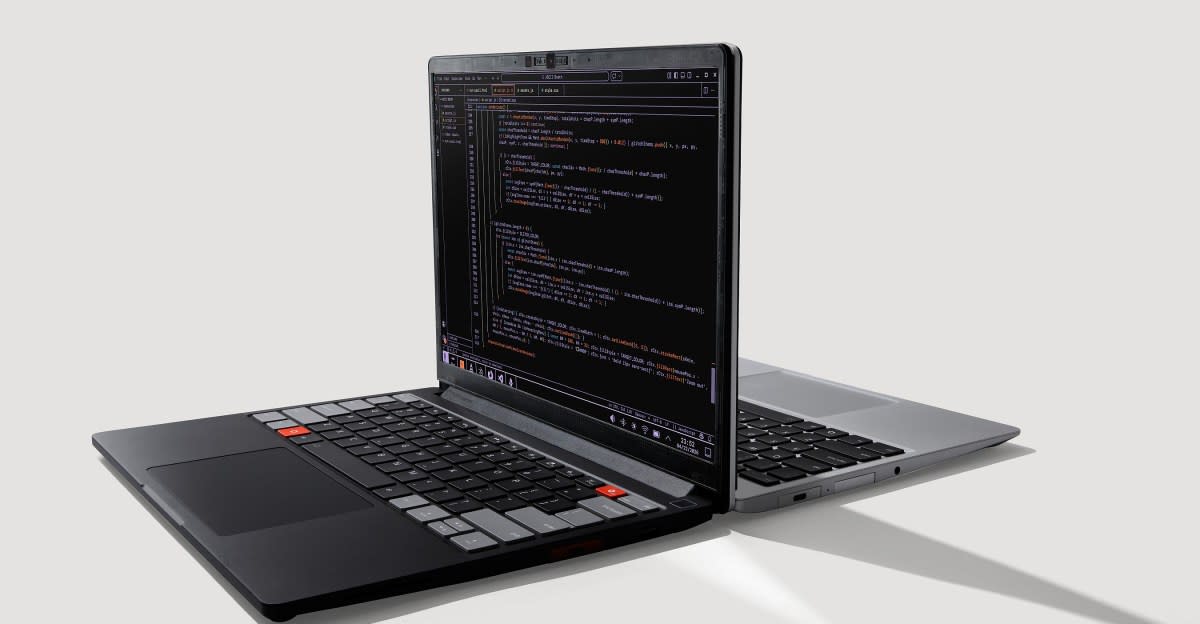
Framework is adjusting RAM configurations and pricing for its Laptop 13 Pro due to a sharp increase in memory supply costs. Preorder customers are being notified of these changes as the company navigates limited availability of specific memory modules.
The Impact of Global Memory Volatility on Framework
Framework, a company celebrated for its modular and repairable hardware philosophy, has encountered a significant supply chain hurdle dubbed 'RAMageddon.' The company recently announced a major pricing and configuration update for its upcoming premium Laptop 13 Pro. This disruption stems from unexpected cost surges from memory suppliers, with Framework citing that the new costs are more than double those of their prior inventory. This situation underscores the fragile nature of hardware manufacturing in an era where component costs can fluctuate wildly due to market demand and geopolitical factors.
Understanding the LPCAMM2 Memory Bottleneck
The core of the issue lies in the availability of LPCAMM2 memory modules. While Framework maintains that it possesses sufficient total inventory to fulfill existing preorders, the specific distribution of 64GB, 32GB, and 16GB modules does not align with the current preorder mix. This discrepancy forces the company to adjust configurations, which inevitably alters the final price point for the consumer. LPCAMM2 is a relatively new standard, and such specialized components often face tighter supply chains compared to traditional SO-DIMM modules, making them more susceptible to sudden price shocks.
The Challenge of Preorder Management
For a niche manufacturer like Framework, managing preorders is a delicate balance of forecasting and supply chain stability. By notifying customers that their specific configurations must change, the company is attempting to maintain transparency, though this comes at the cost of customer satisfaction. The necessity to alter orders that were already placed highlights the risks inherent in the 'preorder' business model, where companies are often at the mercy of upstream suppliers who may change terms with little warning.
Broader Implications for Modular Computing
Framework’s business model relies on the promise of long-term upgradeability and user-serviceable parts. When memory prices spike, it directly threatens the affordability of the modular ecosystem. If the cost of high-density memory remains volatile, it could potentially slow the adoption of the LPCAMM2 standard, as manufacturers might be forced to revert to cheaper, less efficient, or less upgradeable memory configurations to keep retail prices competitive.
Future Trends and Market Outlook
Looking ahead, this event serves as a warning for the boutique laptop market. As AI-driven computing and heavy multitasking continue to push the demand for high-capacity RAM, supply chains will likely remain under pressure. Companies will need to diversify their supplier base or adopt more flexible manufacturing strategies to insulate themselves from 'RAMageddon' style price hikes. For consumers, this highlights the necessity of patience when ordering from smaller, innovation-focused hardware companies that operate without the massive stockpiles or leverage of major industry incumbents.