These are the countries moving to ban social media for children
Source Entity
Aisha Malik
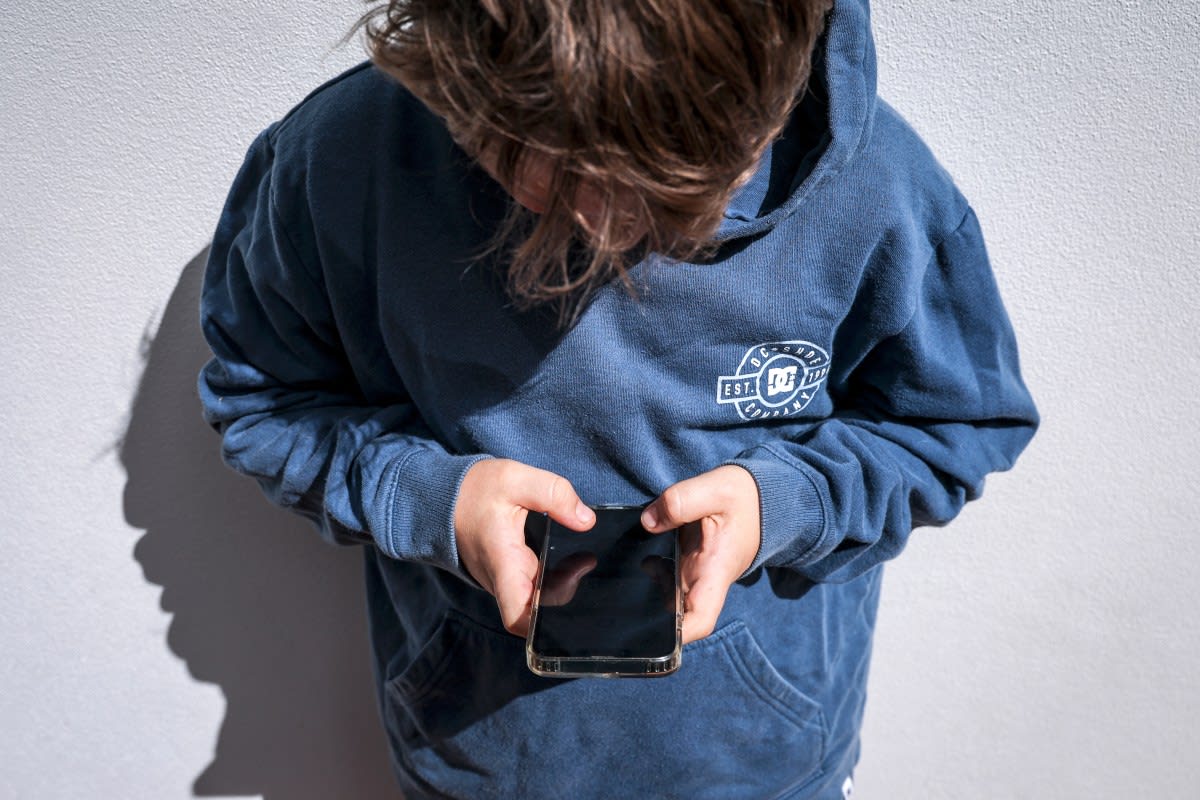
France has passed legislation banning social media for children under 15, following Australia's precedent in regulating digital platforms. The law also restricts mobile phone use in high schools to combat cyberbullying, addiction, and exposure to harmful content.
France Leads European Digital Regulation for Minors
France has officially moved to the forefront of global digital policy by passing a landmark law that prohibits social media access for children under the age of 15. This legislative action, which secured support from both houses of the French Parliament, marks a significant shift in how governments approach the omnipresence of digital platforms in the lives of minors. By targeting the intersection of social media usage and adolescent development, the French government aims to mitigate the pervasive risks that have become synonymous with modern internet connectivity.
The Scope of the Legislative Measure
The new law is comprehensive, extending beyond social media restrictions to include a total prohibition of mobile phone use within high schools. President Emmanuel Macron has expressed a clear intent for these measures to take effect by the start of the next school year in September. This dual-pronged approach—restricting digital access both at home and within the academic environment—reflects a systemic effort to reclaim the focus and mental well-being of the youth population from the influence of algorithmic engagement.
International Context and the Australian Precedent
France’s decision does not occur in a vacuum; it follows a growing international trend of assertive digital governance. In late 2025, Australia became the global pioneer by implementing a ban on social media for those under 16, mandating that platforms like TikTok, YouTube, and Snapchat remove accounts for underage users or face severe financial penalties. France’s move as the first European Union nation to adopt such a strict framework suggests that a new regulatory standard is emerging, with other European nations closely observing the implementation process.
Objectives: Protecting Vulnerable Users
The primary drivers behind these legislative efforts are the documented risks associated with early social media integration. Policymakers have cited the urgent need to protect children from cyberbullying, the addictive nature of scrolling, and the dangerous exposure to online predators. These concerns are supported by a growing body of evidence regarding the negative impacts of social media on mental health, prompting governments to treat these digital platforms with the same level of caution as other public health hazards.
Challenges and Constitutional Hurdles
Despite the legislative victory, the path forward is not without complexity. The law is currently pending a review by the Constitutional Council, which will determine its compatibility with French constitutional rights. Furthermore, the proposal has faced criticism from advocacy groups like Amnesty Tech, which argue that such bans may be ineffective and could lead to invasive age-verification practices. Critics maintain that these measures might overlook the underlying realities of how children navigate the digital world, suggesting that enforcement could be both technically difficult and potentially overreaching.
Future Trends in Digital Policy
As France prepares for the potential implementation of this ban, the global community will be watching to see how the policy survives legal scrutiny and how effectively it can be enforced in practice. If successful, this legislation could serve as a template for other nations seeking to curb the influence of digital platforms on minors. The ongoing tension between protecting children and preserving digital privacy will likely remain a central theme in future legislative debates, signaling a transformative era in how the state interacts with global technology companies.
Multiple Citing Sources