Almost 1,000 arrested as clashes follow another day of mass protests across France
Source Entity
BBC News
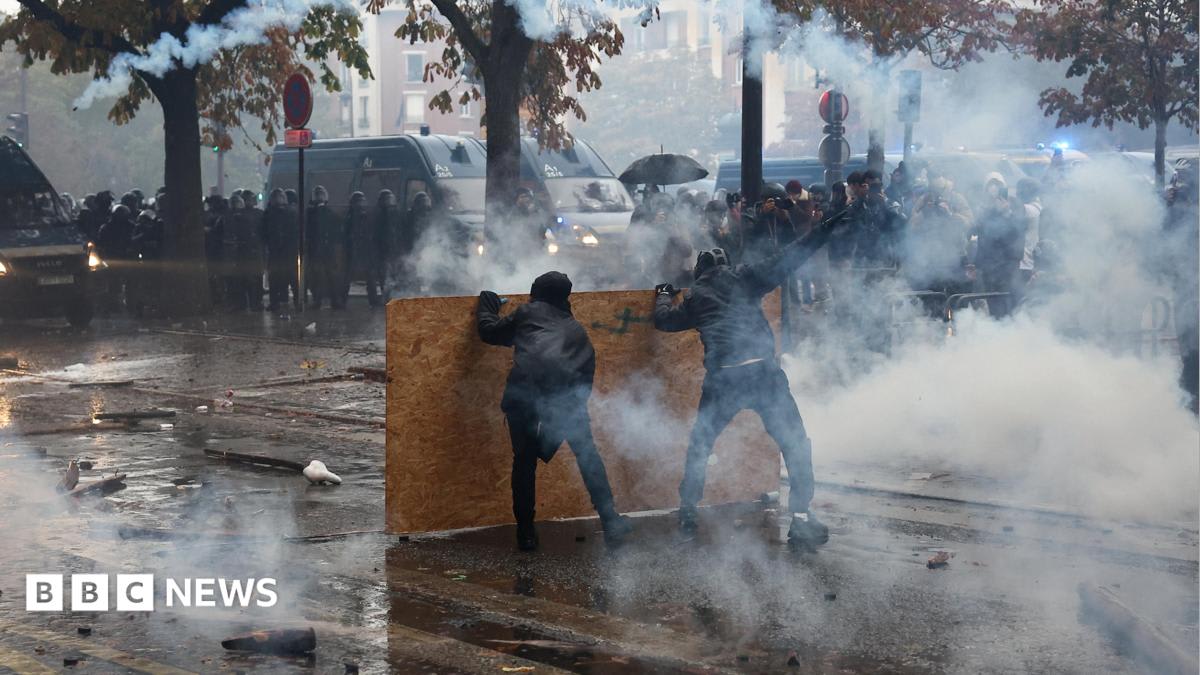
France has deployed 70,000 police officers nationwide to manage anticipated protests following recent violent riots. Shopkeepers are boarding up businesses as tensions over the cost of living and education conditions persist.
France Faces Heightened Security Amid Nationwide Civil Unrest
France is currently navigating a period of significant social volatility as the nation prepares for a second wave of demonstrations following a week of historic unrest. With authorities deploying 70,000 police officers across the country, the government is attempting to balance the right to assembly with the urgent need to maintain public order. This massive security mobilization, which includes the use of armored vehicles, water cannons, and helicopters, highlights the severity with which the administration views the potential for renewed violence.
The Economic and Social Drivers of Protest
The current wave of unrest is rooted in deep-seated frustration regarding the rising cost of living and specific grievances concerning school conditions. These issues have served as a catalyst for a broad coalition of students, trade unions, and anti-government groups to mobilize. The convergence of these diverse interests indicates that the protests are not merely isolated incidents of dissent but reflect a widespread dissatisfaction with current economic policies and state infrastructure management.
Business Community Under Siege
The impact of these protests is acutely felt by the business community, particularly in Paris. Following the destruction of approximately 450 shops during the previous weekend's riots, local merchants are taking proactive measures to shield their livelihoods. The sight of boarded-up display windows has become a somber symbol of the uncertainty facing the French retail sector. This defensive posture underscores the severe economic strain placed on small businesses when civil unrest transitions from peaceful expression to property damage and looting.
Government Response and Criticism
Interior Minister Laurent Nuñez has adopted an uncompromising stance, declaring that the state will not tolerate vandalism or looting. However, the government faces significant political pressure, with opposition parties criticizing the administration for failing to anticipate the scale of the initial unrest on October 17th. This political friction complicates the state's response, as officials struggle to contain the violence without further inflaming public sentiment against their authority.
Tactical Challenges and Emerging Violence
The situation remains fluid, as evidenced by reports from Lyon where police were forced to deploy tear gas against protesters attempting to block roads in areas where demonstrations had been banned. The reliance on social media to organize both the protests and, according to the Interior Ministry, calls for looting, presents a modern tactical challenge for law enforcement. The ability of demonstrators to mobilize rapidly in defiance of restrictions suggests that traditional crowd control methods may be increasingly strained.
Concluding Outlook
As France heads into this volatile weekend, the future of the protest movement remains uncertain. The combination of economic pressure, public anger, and the government’s heavy-handed security measures suggests a tense standoff that could persist for some time. The long-term stability of the country will likely depend on whether the administration can effectively address the underlying cost-of-living concerns while simultaneously preventing the further erosion of public safety and economic confidence.
Multiple Citing Sources