Europe battles wildfires as heatwave forces 30,000 to evacuate across France, Spain
Source Entity
The Indian Express
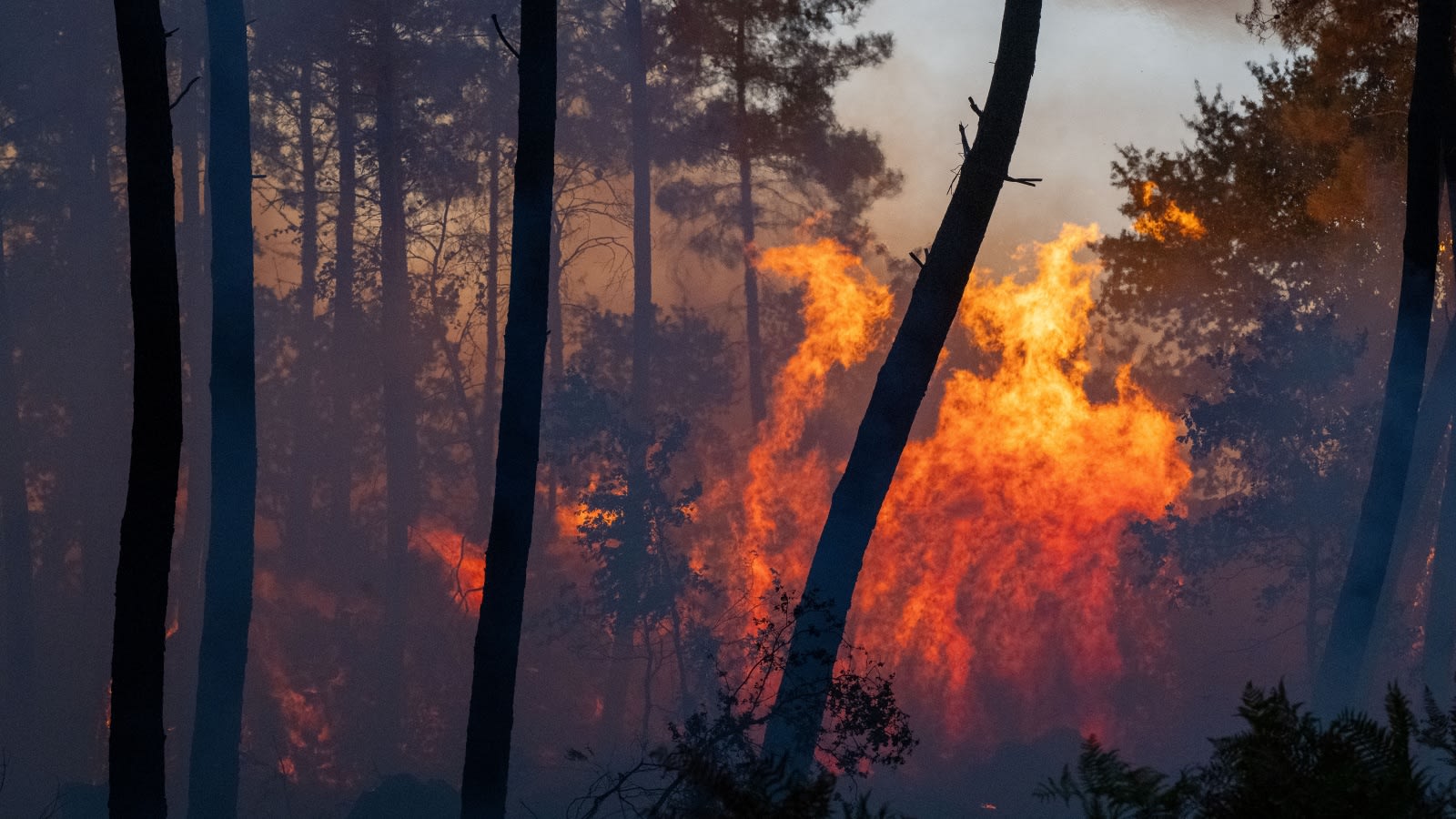
A severe heatwave across Southwest Europe has triggered devastating wildfires, forcing tens of thousands to evacuate in France and Spain. Authorities are struggling to contain the blazes as extreme weather conditions continue to threaten tourism hubs and local infrastructure.
The Escalating Wildfire Crisis in Southwest Europe
Southwest Europe is currently grappling with an unprecedented environmental emergency as a severe heatwave fuels uncontrollable wildfires across France and Spain. With nearly 40,000 people evacuated in France alone, the scale of the displacement highlights the growing threat posed by extreme weather events. The situation, described by French President Emmanuel Macron as "extremely tense," underscores the immense pressure currently placed on emergency services attempting to curb the rapid spread of flames across critical regions.
Meteorological Drivers and Environmental Impact
The current crisis is driven by a convergence of soaring temperatures, parched landscapes, and high-velocity winds. Climate researchers have explicitly linked these conditions to a severe marine heatwave gripping the Mediterranean Sea, which exacerbates the terrestrial heat. This feedback loop creates what experts term "Dantesque" conditions, where high sea surface temperatures contribute to atmospheric instability, making it exponentially more difficult for firefighters to contain blazes that are already consuming thousands of hectares of land.
The Human and Economic Toll
The human impact of these fires has been profound, as evidenced by the mass evacuation of the Cap Ferret peninsula, a major tourism destination. Hundreds of residents and tourists were forced to flee by boat, underscoring the severity of the threat to life and property. Beyond the immediate danger to civilians, the tragedy has claimed the lives of two firefighters near Bordeaux, a sobering reminder of the hazardous conditions emergency personnel face daily as they combat fires that have been raging for days.
Regional Escalation and Resource Mobilization
France has sought international cooperation by requesting assistance from the European Union’s Civil Protection Mechanism, acknowledging that the scale of the disaster exceeds national response capacities. Simultaneously, the situation in Spain is equally critical, with the government declaring a national emergency as wildfires encroach upon areas near Madrid. The simultaneous nature of these events across national borders demonstrates the transboundary risk posed by regional heatwaves.
Future Trends and Resilience
The progression of the fires, such as the destruction of over 8,700 hectares in the Gironde region, signals a need for a shift in climate adaptation strategies. As extreme weather events become more frequent, the reliance on traditional firefighting methods may prove insufficient. Future trends suggest that European nations will need to invest more heavily in cross-border emergency coordination and long-term land management to mitigate the risk of such massive conflagrations in the future.
Concluding Summary
Ultimately, the current wildfire crisis in France and Spain serves as a stark indicator of the volatility inherent in modern climate patterns. While the immediate focus remains on containment and the safety of the affected populations, the systemic nature of these fires necessitates a broader conversation about climate resilience. As emergency services continue to battle the flames, the international community watches closely, recognizing that the threat to the Mediterranean basin is no longer a localized issue but a systemic challenge requiring urgent and coordinated action.
Multiple Citing Sources