Watch: At the scene of student protests in Lille
Source Entity
BBC News
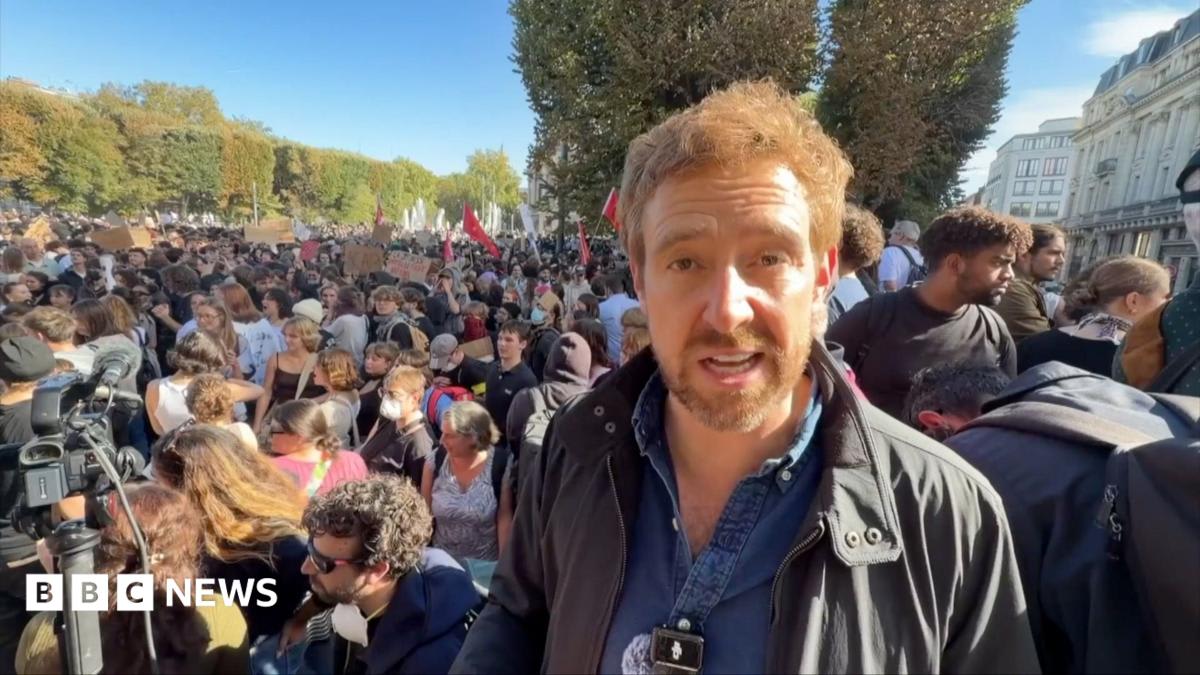
High-school students across France are staging widespread protests and school blockades to demand increased funding, better infrastructure, and reduced classroom overcrowding. The movement has resulted in thousands of arrests and significant clashes between protesters and authorities.
Escalating Student Unrest in France: A Crisis of Education Funding
France is currently witnessing a significant wave of civil unrest as high-school students, supported by parents and various labor unions, have taken to the streets to protest against perceived systemic under-investment in the nation's secondary education system. The movement, which gained momentum in mid-September, has evolved from localized demonstrations in the Paris region into a nationwide phenomenon. Protesters are explicitly calling for urgent government action to address critical issues, including dilapidated infrastructure, insufficient funding, and persistent overcrowding in classrooms.
The Mechanics of the Protests
The scale of the disruption is substantial, with students blockading hundreds of schools across France to force the government’s hand. These blockades serve as a physical manifestation of the students' demands, effectively halting administrative and academic operations. The demonstrations have reached major urban centers, such as the northern city of Lille, where thousands have gathered in public spaces like the Place de la République to voice their grievances. While some demonstrations remain peaceful, the persistence of the blockades has created a tense environment.
Confrontations and Legal Repercussions
The situation has frequently devolved into confrontation, characterized by clashes between teenage protesters and law enforcement. The statistics provided by the French government underscore the severity of the situation: since the protests began, 215 students and 715 police officers have been reported injured. The legal response has been equally significant, with the Justice Ministry reporting over 5,060 arrests. Notably, 87 percent of those arrested are minors, and more than 1,800 individuals are currently facing prosecution, highlighting the intense pressure the judicial system is under to manage the fallout of these youth-led protests.
Broader Implications for French Policy
These protests reflect a deep-seated frustration with the state of public education in France. By highlighting issues like poor infrastructure and overcrowding, the students are challenging the government's budgetary priorities. The involvement of unions alongside students suggests that the movement has broader societal support, signaling a potential long-term friction point between the administration and the public. The government now faces the dual challenge of maintaining public order while addressing the legitimate educational concerns that have fueled this weeks-long unrest.
Future Trends and Outlook
As the demonstrations show no sign of easing, the French government faces a critical juncture. The high volume of arrests and the ongoing nature of the school blockades suggest that the protesters are prepared for a prolonged struggle. If the government fails to offer concrete commitments toward school investment, these protests could potentially serve as a catalyst for wider labor unrest or further political instability. Observers will be closely watching for any signs of government concessions or a potential shift in education policy to de-escalate the tensions currently gripping the nation's schools.
Multiple Citing Sources