French cities calm overnight after curfews imposed to quell violence, PM says
Source Entity
BBC News
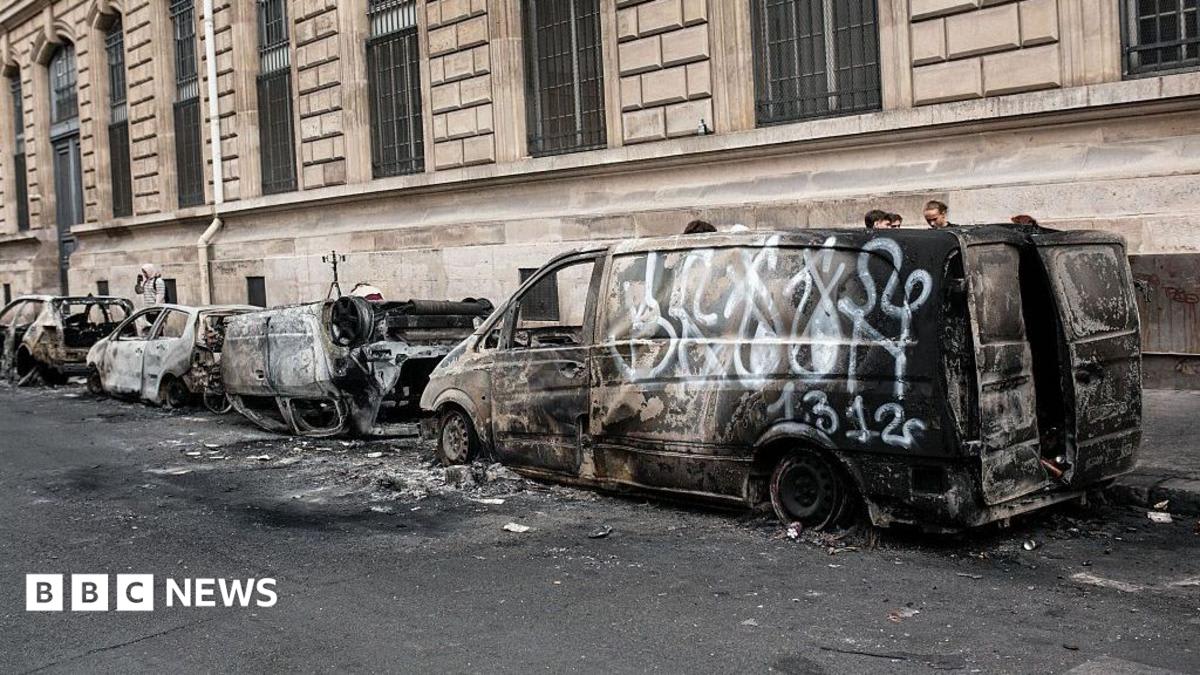
France has implemented partial curfews and ramped up security following widespread rioting linked to the cost of living crisis. With over 2,400 arrests and significant injuries to police, the government is struggling to restore order while facing political pressure.
The Escalation of Civil Unrest in France
The current wave of civil unrest sweeping across France represents a critical juncture for the administration of President Emmanuel Macron. What began as demonstrations against the rising cost of living and surging fuel prices has rapidly devolved into widespread violence, looting, and systemic destruction of public infrastructure. The severity of the situation is underscored by the staggering figure of over 2,400 arrests made nationwide in a span of just two days, signaling a profound breakdown in public order.
Government Response: The Implementation of Curfews
In a decisive move to regain control, Prime Minister Sébastien Lecornu has authorized local authorities to implement partial curfews, particularly in the northern regions of the country. These measures are designed to curb the nocturnal activity of rioters who have targeted city halls, retail shops, and various government offices. By restricting movement during high-risk hours, the government aims to provide law enforcement with the tactical advantage needed to contain the violence and prevent further property damage.
The Human Cost and Policing Challenges
Beyond the material destruction, the human toll of this unrest has been severe. Official reports indicate that nearly 1,000 police officers have sustained injuries while attempting to manage the chaos. This high casualty rate among law enforcement has sparked intense debate regarding the efficacy of current policing policies. While critics have raised concerns about the management of the protests, President Macron has firmly stood by Interior Minister Laurent Nuñez, affirming his confidence in the current security strategy despite the immense pressure on the force.
Socio-Economic Roots of the Conflict
The roots of this volatility are deeply embedded in the public’s frustration over economic hardship. As the cost of living continues to rise, the perceived inability of the state to provide adequate public services has fueled a sense of alienation among large segments of the population. These protests are not merely spontaneous acts of anger but are reflective of a long-standing tension between the French citizenry and the central government regarding economic policy and social equity.
Future Outlook and Implications
As France navigates this period of instability, the government faces a precarious balancing act. It must uphold the rule of law and protect public property while simultaneously addressing the underlying economic grievances that serve as the catalyst for these demonstrations. Future trends suggest that if the cost-of-living crisis remains unaddressed, the potential for sporadic outbursts of violence will persist. The government’s ability to transition from a reactive security stance to a proactive policy-based solution will be the defining factor in restoring national stability.
Multiple Citing Sources