France’s wine production nears a 70-year low, leaving winemakers with tough choices
Source Entity
US Top News and Analysis
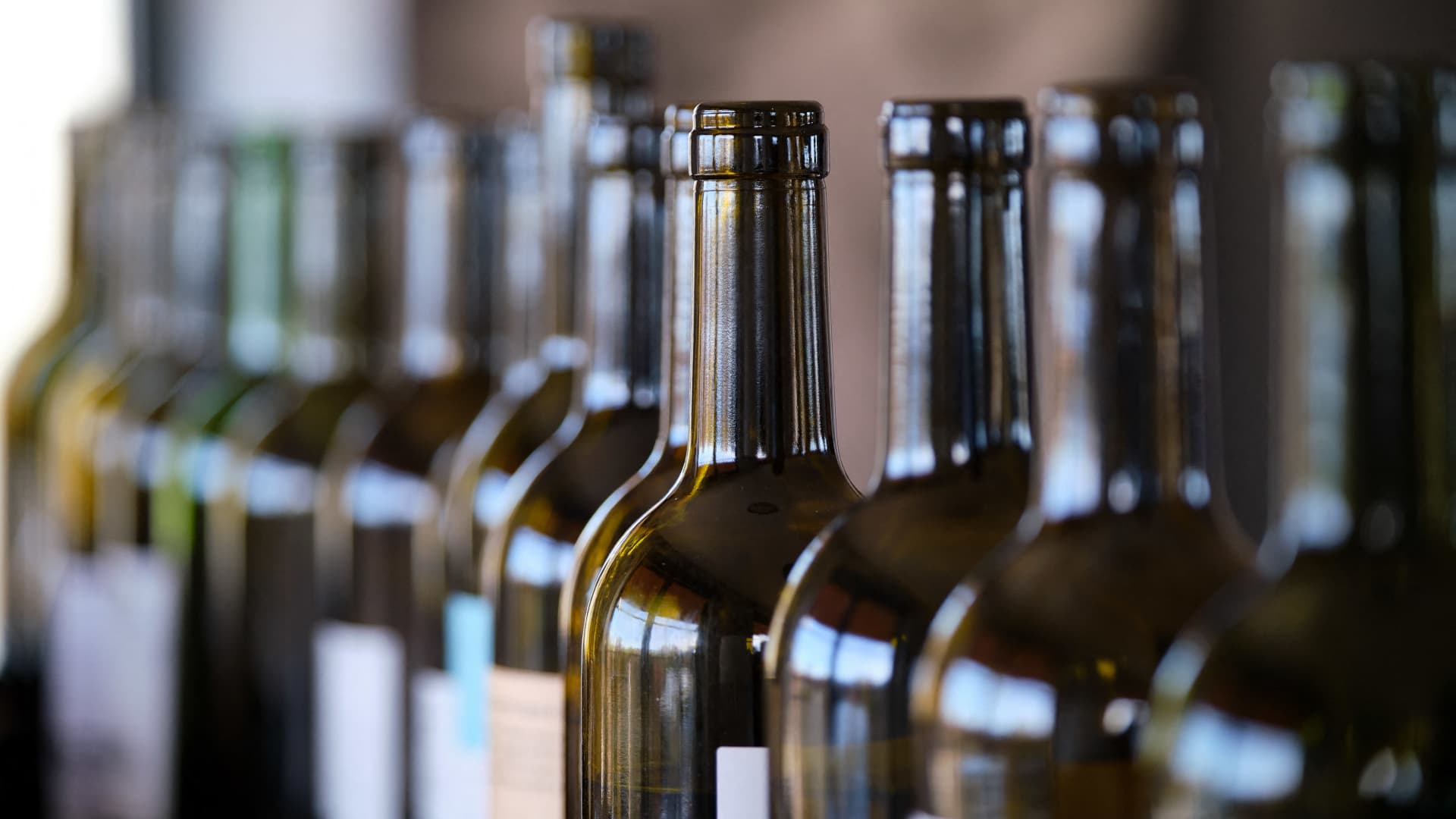
France’s wine industry faces a historic crisis as record-breaking heat and severe droughts drive production to 70-year lows. Major producers are now forced to pivot their business models to survive consecutive years of diminished harvests.
A Vintage in Peril: The French Wine Crisis
France, a nation synonymous with viticulture, is currently navigating a precarious chapter in its agricultural history. The French agriculture ministry has issued dire warnings that national wine production is trending toward a 70-year low by 2026. This marks the third consecutive year of reduced output, a trend that threatens not only the economic stability of individual estates but the cultural heritage of the country’s most celebrated regions.
Climate Volatility as the Primary Driver
At the heart of this decline is an increasingly unstable climate. As evidenced by the experiences of industry leaders like Florent Latour, CEO of Maison Louis Latour, the margin for error in traditional winemaking has vanished. Despite meticulous efforts to maintain quality, the combination of record-hot summers and severe, persistent droughts has decimated yields. Latour’s struggle—balancing the desire for a fantastic harvest against the reality of achieving only half of the expected volume—illustrates the existential threat climate change poses to the delicate terroir that defines French wine.
Economic Implications for Grand Cru Estates
The crisis is not limited to smaller, less-resourced vineyards; even the most prestigious Grand Cru estates in Burgundy are feeling the pressure. When production drops by half, the economic ripple effects are profound, impacting supply chains, labor, and export pricing. The necessity of choosing between quantity and quality is an agonizing dilemma for winemakers, as maintaining the world-renowned standards of French wine requires specific environmental conditions that are becoming increasingly rare.
Strategic Shifts and Market Adaptation
In response to these compounding challenges, the industry is entering a phase of forced transformation. Key players are being compelled to reconsider their long-term strategies, which include exploring new, more resilient markets and diversifying their product offerings. The push to engage new generations is not merely a marketing endeavor but a necessity to ensure the survival of the industry in a future defined by environmental uncertainty.
Future Outlook: A Changing Landscape
As France enters its third year of reduced output, the industry is at a crossroads. The images of vines being torn off in fields, such as those seen in Roquefort-des-Corbieres, serve as a stark visual reminder of the permanent changes occurring in the French landscape. Moving forward, the focus will likely shift toward technological adaptation, potential shifts in grape varieties, and a fundamental restructuring of how French wine is produced and marketed to remain viable in a warming world.