After 74 years with one family, Frank Lloyd Wright home sells for $4m
Source Entity
TOI REAL ESTATE DESK
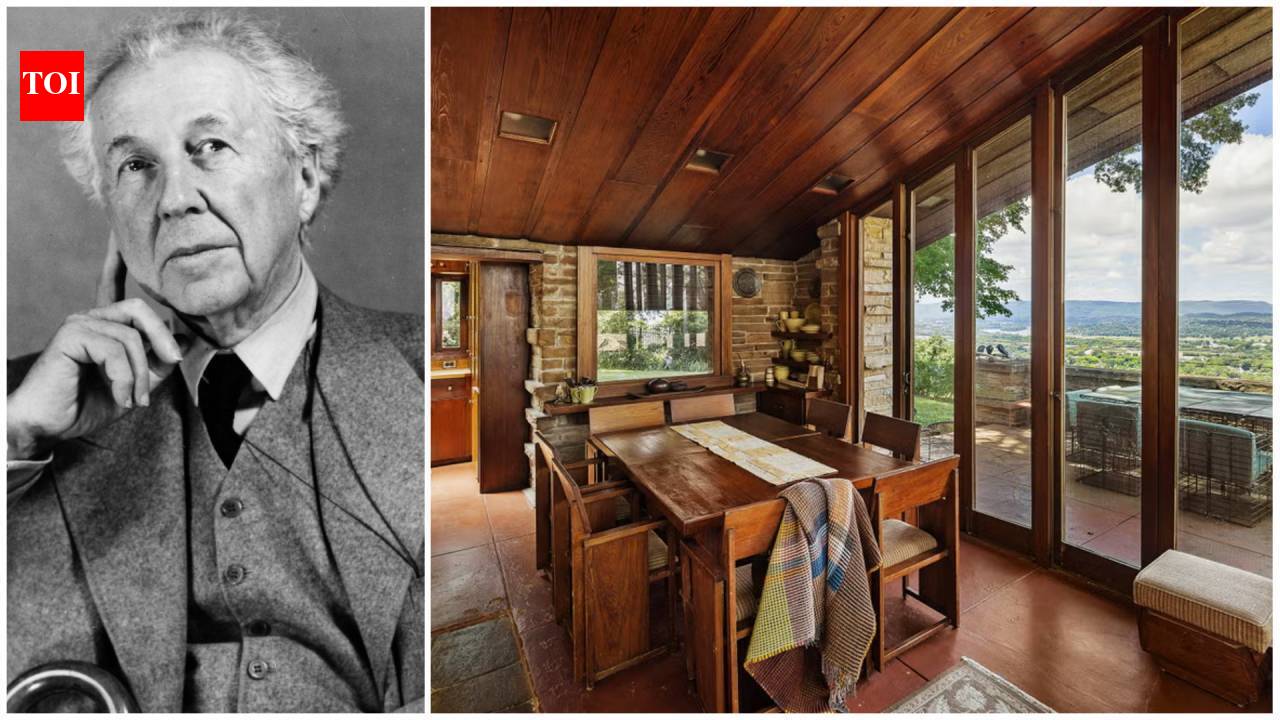
Frank Lloyd Wright's historic Shavin House in Chattanooga has sold for $4 million at auction, significantly exceeding its $1.6 million list price. This rare Usonian property, held by the same family for 74 years, is the architect's only residential project in Tennessee.
The Landmark Sale of the Shavin House
In a remarkable demonstration of the enduring value of architectural heritage, the Shavin House—Frank Lloyd Wright’s sole residential contribution to the state of Tennessee—has been sold at auction for $4 million. This transaction marks a historic turning point for the Chattanooga property, which had remained in the possession of the same family since its completion in 1952. The final sale price significantly outperformed the initial listing of $1.6 million, underscoring the intense market demand for authentic, well-preserved mid-century modern masterpieces.
Architectural Significance and Usonian Design
The Shavin House stands as a quintessential example of Wright’s 'Usonian' philosophy, a design movement intended to provide affordable, high-quality housing for the American middle class. Spanning 1,784 square feet, the residence is celebrated for its seamless integration into the natural landscape. By utilizing local materials such as crab orchard stone and Louisiana cypress, Wright created a structure that feels less like a built object and more like a natural extension of the Tennessee River bluff it overlooks. The use of expansive windows serves to blur the line between interior living spaces and the surrounding environment, a hallmark of Wright’s genius.
A Legacy of Preservation
For 74 years, the Shavin House served not just as a residence, but as a time capsule of post-war American design. The fact that the property remained with the original family for over seven decades is a rarity in the world of high-end real estate, where historic homes are frequently renovated, expanded, or stripped of their original character. This continuity of ownership likely contributed to the home's exceptional state of preservation, which undoubtedly fueled the competitive bidding environment that saw the final price soar to more than double the initial asking price.
Market Implications for Historic Properties
The $4 million sale price signals a robust and growing market for architecturally significant homes. While many historic properties struggle to find buyers who appreciate the maintenance requirements of mid-century materials, the Shavin House proves that provenance and design integrity remain top-tier commodities. Investors and collectors are increasingly viewing these homes as irreplaceable assets, leading to premium valuations that often dwarf standard real estate appraisals.
The Future of the Shavin House
As the Shavin House transitions to new ownership, the challenge will be balancing modern living requirements with the strict preservation standards necessary to maintain its architectural status. Given its history as a singular landmark in Tennessee, there is a collective interest in seeing the property maintained in a way that honors Wright’s original vision. The auction result suggests that the new owners likely recognize the responsibility inherent in acquiring such a significant piece of American cultural history, ensuring that the legacy of the Shavin House continues for decades to come.