Freeport-McMoRan Inc. (FCX) and Digital Realty Trust, Inc. (DLR) Highlight the Companies Cashing In on AI Infrastructure
Source Entity
Yahoo Finance
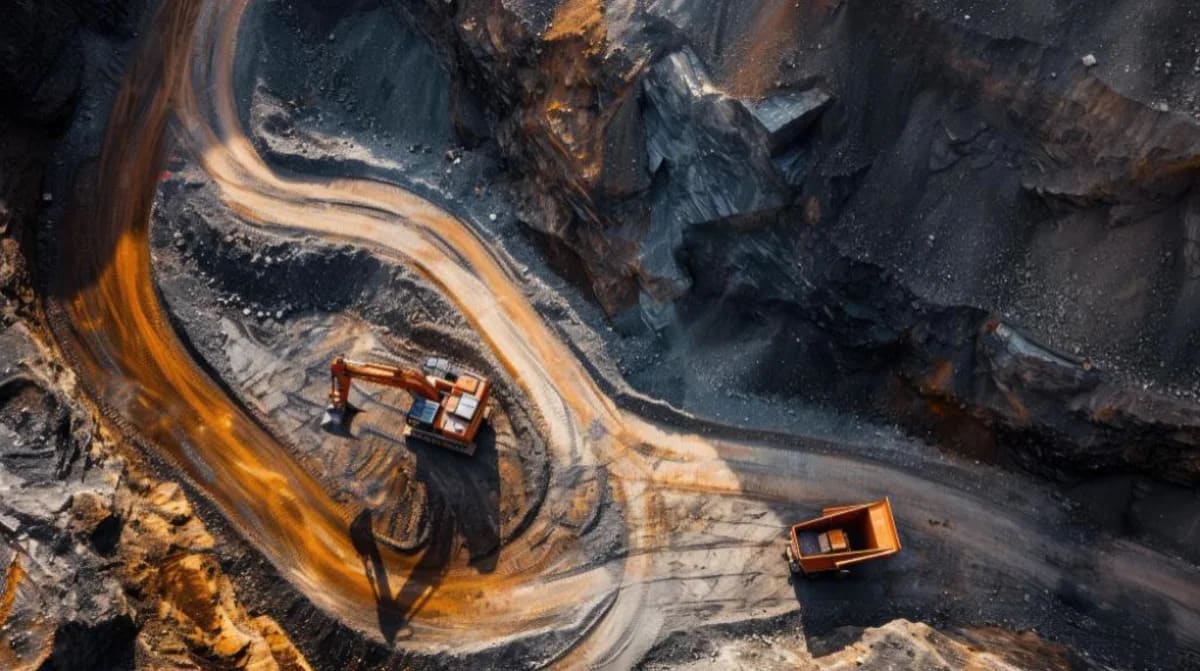
Freeport-McMoRan and Digital Realty Trust are emerging as key beneficiaries of the AI infrastructure boom. Their recent earnings highlight how copper mining and data center real estate are critical to supporting massive capital investments in AI technology.
The Hidden Infrastructure Behind the AI Revolution
While the global discourse on Artificial Intelligence remains fixated on the meteoric rise of chip manufacturers like Nvidia, a secondary, more foundational economic story is unfolding. Big tech companies are currently allocating nearly $700 billion toward the construction of AI data centers. This massive capital expenditure is creating a ripple effect that extends far beyond the semiconductor industry, benefiting companies that provide the physical materials and real estate essential for these computational hubs.
The Critical Role of Copper in AI Expansion
Freeport-McMoRan Inc. (FCX) stands as a primary case study in how resource extraction is fueling the digital age. Despite a notable 18.2% decline in the volume of copper mined, the company significantly outperformed market expectations. By reporting earnings of 74 cents per share against an anticipated 59 cents, Freeport-McMoRan demonstrated that the current demand for copper is decoupled from traditional volume metrics. As AI data centers require vast amounts of cabling and electrical infrastructure to manage high-density power loads, copper remains an irreplaceable element of the modern tech stack.
Real Estate as the Foundation of Data
Parallel to the resource sector, Digital Realty Trust, Inc. (DLR) occupies a vital niche by providing the physical infrastructure where AI processing occurs. Data centers are not merely warehouses; they are sophisticated, climate-controlled, and highly secure environments that require specialized real estate management. As tech giants prioritize the rapid scaling of AI capabilities, companies like DLR that own and lease these specialized facilities are seeing a surge in demand, proving that the 'landlord' model for digital infrastructure is a high-growth sector.
Financial Performance and Market Implications
Freeport-McMoRan’s net income of $984 million, up from $53 cents per share a year ago to 68 cents, underscores a broader trend: supply-side constraints in mining are driving profitability even when output fluctuates. This suggests that the AI boom is creating a pricing power dynamic for essential raw materials. Analysts are increasingly looking at these 'picks and shovels' plays as safer, more diversified bets compared to the high-volatility chip sector.
Future Trends in Infrastructure Investment
Looking forward, the reliance on physical hardware and site-specific infrastructure indicates that the 'AI gold rush' will continue to demand massive investments in the physical world. Future growth will likely depend on the continued integration of power-efficient design and the secure supply chain of metals like copper. Investors are shifting their focus toward these tangible assets, recognizing that without the physical infrastructure provided by firms like FCX and DLR, the software-driven AI revolution would be impossible to scale.
Conclusion
The recent financial reports from Freeport-McMoRan and Digital Realty Trust highlight a fundamental truth: the AI revolution is as much about physical engineering and resource allocation as it is about software innovation. By identifying the critical dependencies in the supply chain—from the copper in the wires to the real estate housing the servers—market participants can better understand the true scope of the $700 billion investment trend currently reshaping the global economy.