Procter & Gamble revenue misses estimates as volume stays unchanged
Source Entity
US Top News and Analysis
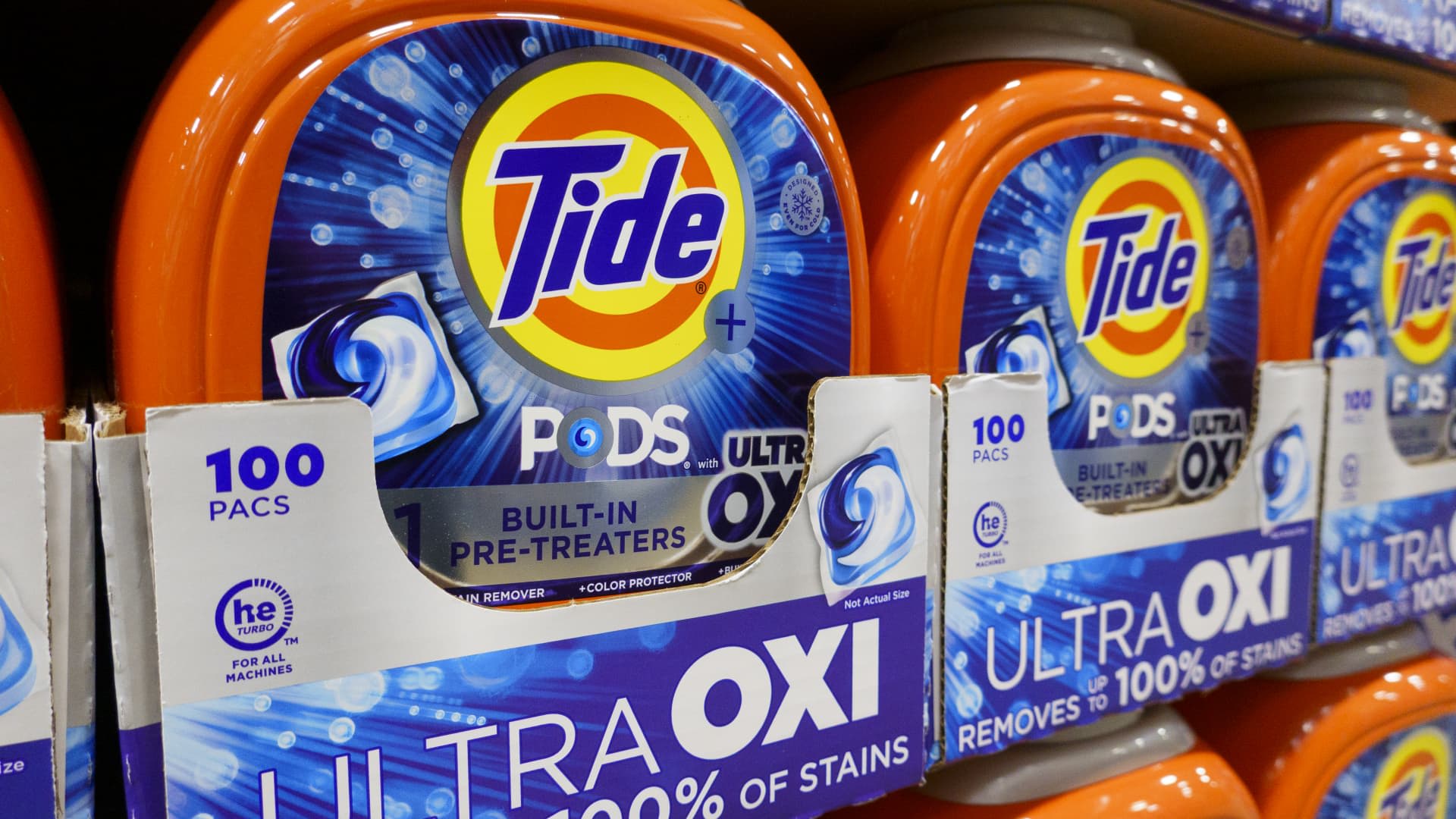
Procter & Gamble reported mixed fiscal fourth-quarter results, with earnings per share exceeding expectations while revenue fell short of forecasts. The miss was driven by stagnant sales volume, causing company shares to drop approximately 3% in morning trading.
P&G Faces Market Headwinds Amid Stagnant Sales Volume
Procter & Gamble, a bellwether for consumer spending and global economic health, recently reported fiscal fourth-quarter results that painted a nuanced picture of the current retail landscape. While the company managed to outperform Wall Street’s expectations regarding earnings per share—delivering $1.43 adjusted against an anticipated $1.41—the top-line performance revealed underlying challenges. Revenue reached $21.2 billion, failing to meet the projected $21.38 billion mark. This discrepancy between profitability and total sales suggests that while P&G is maintaining margins through pricing strategies, it is struggling to drive organic growth through increased volume.
The Impact of Stagnant Demand
The most critical takeaway from the latest earnings report is the lack of movement in sales volume. For a consumer packaged goods giant like P&G, which relies on high-velocity turnover of household staples like Tide detergent, stagnant volume is a significant signal of shifting consumer behavior. When volume fails to grow, it indicates that price increases—often used to offset inflation—may have reached a ceiling. Consequently, investors reacted with caution, pushing shares down by approximately 3% as the market weighed the sustainability of P&G’s current pricing power against the reality of softening consumer demand.
Financial Performance vs. Market Expectations
Comparing the reported figures to the consensus estimates provided by LSEG analysts highlights the precision required in modern retail forecasting. P&G’s net income attributable to the company fell to $3.04 billion, or $1.26 per share, a notable decline from the $3.62 billion, or $1.48 per share, recorded in the prior comparable period. This contraction in net income, coupled with the revenue miss, underscores the pressure P&G faces from rising operational costs and a global consumer base that is becoming increasingly selective about discretionary spending on branded household goods.
Broader Economic Implications
As a company with a vast portfolio of essential household products, P&G’s performance serves as a proxy for the broader economy. The company’s inability to meet revenue targets suggests that households are potentially tightening their budgets, either by trading down to private-label alternatives or reducing the frequency of their purchases. This trend, if it persists, could signal a cooling period for the consumer staples sector as a whole, forcing companies to reconsider their reliance on price hikes as a primary driver of revenue growth.
Future Outlook and Strategic Trends
Looking ahead, the challenge for P&G will be to reignite volume growth without sacrificing the margins that have allowed it to beat earnings-per-share estimates. Future trends in this sector will likely depend on how effectively the company can navigate a landscape defined by inflation-weary shoppers. Analysts will be closely watching for signs of innovation or promotional strategies that might incentivize consumers to return to premium brands. For P&G, the roadmap for the coming quarters will necessitate a delicate balance between maintaining brand equity and adapting to a more price-sensitive global marketplace.