FSSAI bans sale of hing powder by Everest, Laljee Godhoo over sub-standard quality
Source Entity
ANJALI SINGH
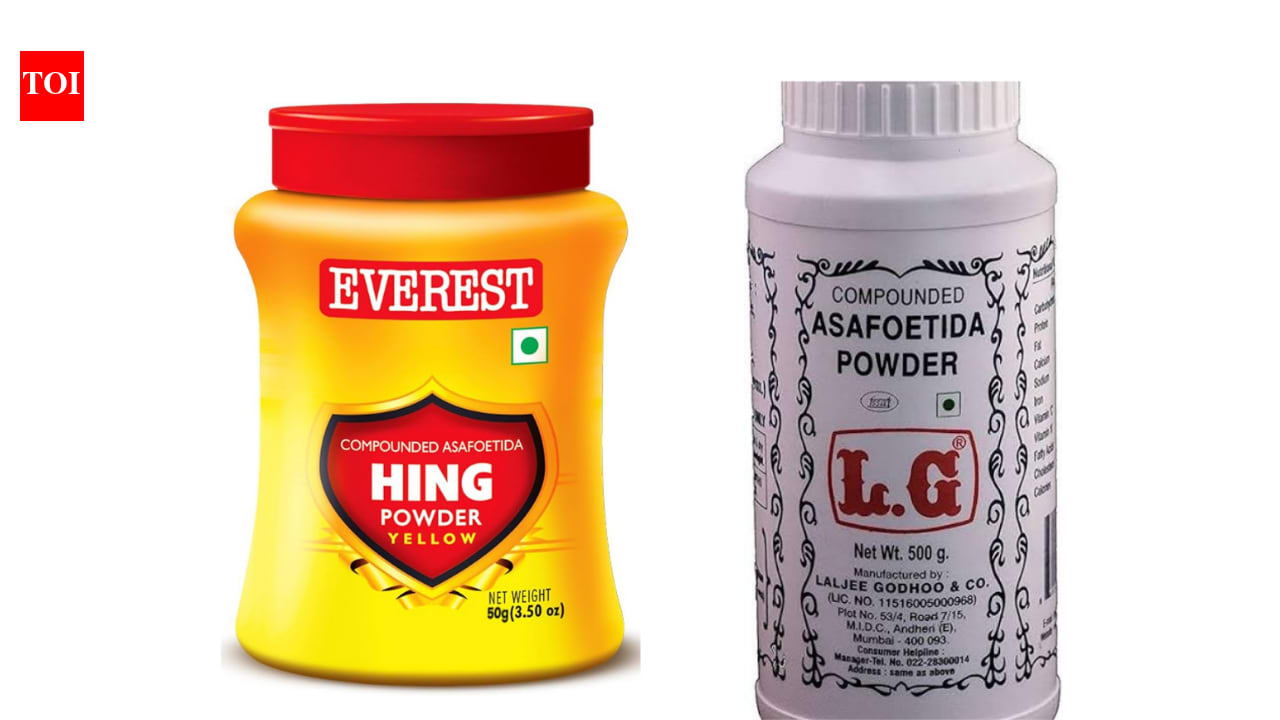
The FSSAI has banned Everest Food Products and Laljee Godhoo and Company from selling hing powder due to sub-standard quality and misbranding. The regulator found that their compounded asafoetida products failed to meet essential alcohol-soluble extract requirements.
FSSAI Cracks Down on Spice Giants: The Hing Quality Crisis
In a significant move aimed at protecting consumer health, the Food Safety and Standards Authority of India (FSSAI) has issued immediate prohibition orders against two prominent spice manufacturers: Everest Food Products Pvt Ltd and Laljee Godhoo and Company. The regulator’s intervention follows the discovery that these companies' compounded asafoetida, commonly known as hing, failed to meet mandatory quality benchmarks. By prohibiting the sale of these products, the FSSAI is reinforcing its role as the primary watchdog for food safety in the Indian market.
The Technical Basis for Prohibition
The core of the regulatory action stems from laboratory testing of samples, which revealed that the products were not only sub-standard but also misbranded. Specifically, the samples failed to meet the required 'alcohol-soluble extract' standards, a vital chemical marker used to determine the purity and potency of asafoetida. In some instances, tests reportedly showed a staggering zero percent extraction level, suggesting a complete failure to meet the basic composition requirements mandated under the Food Safety and Standards Act, 2006.
Impact of Misbranding and Quality Failures
Hing is a staple ingredient in Indian households, valued for its digestive properties and distinct flavor profile. When manufacturers engage in misbranding or fail to adhere to quality standards, they compromise the integrity of the product and potentially mislead millions of consumers. The FSSAI’s decision to ban these specific variants of compounded hing powder highlights a growing intolerance for shortcuts in the manufacturing process, particularly when essential food safety parameters are ignored.
Broader Implications for the Spice Industry
This is not the first time Everest Food Products has faced scrutiny from food regulators, suggesting a pattern of non-compliance that necessitates stricter oversight. Such enforcement actions serve as a wake-up call for the broader FMCG (Fast-Moving Consumer Goods) sector in India. As consumer awareness regarding food quality and ingredient transparency increases, companies are under immense pressure to ensure that their supply chains and manufacturing protocols align with national safety standards.
The Path Forward for Affected Companies
To resume operations or clear the current regulatory hurdles, both Everest and Laljee Godhoo and Company are now required to submit comprehensive corrective action plans. These plans must address the underlying manufacturing failures that led to the production of sub-standard goods. The FSSAI will likely demand rigorous third-party testing and internal quality control audits before these companies are permitted to re-introduce their hing variants to the market.
Conclusion: A Shift Toward Stricter Enforcement
The FSSAI’s decisive action underscores a shift toward a more proactive regulatory environment in India. By targeting major players like Everest and Laljee Godhoo, the authority is signaling that brand prominence provides no immunity against food safety violations. Moving forward, the industry must prioritize transparency and technical compliance to maintain consumer trust and avoid the severe economic and reputational consequences of regulatory bans.