Pune CNG dealers threaten sales halt, blame gas supplier for pressure issue
Source Entity
The Indian Express
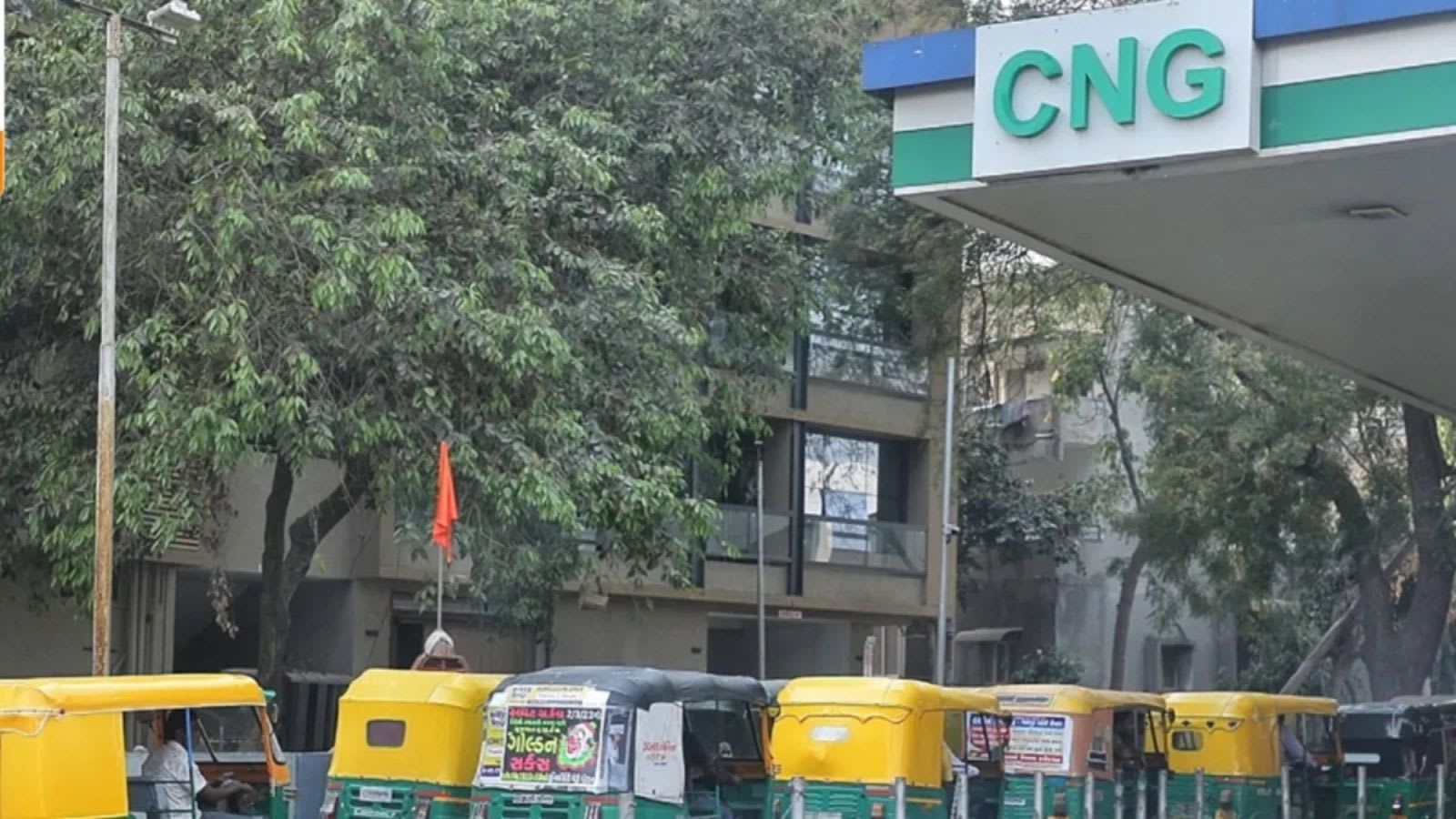
Transport and fuel sectors in India are facing significant disruption, with Pune CNG dealers threatening a strike over low supply pressure and Delhi transporters protesting against ethanol-blended petrol. These conflicts highlight growing friction between fuel policy implementation and the operational realities of vehicle owners and distributors.
Fuel Supply and Policy Tensions: A Double Crisis
The Indian automotive and logistics sectors are currently navigating a period of significant volatility, characterized by two distinct but equally disruptive challenges. In Pune, CNG dealers have issued an ultimatum to halt operations due to persistent low pipeline pressure, while in Delhi, transporters are mobilizing to protest the government's ethanol-blending mandate. Both issues reflect a growing strain on the country's fuel infrastructure and the economic realities faced by those on the front lines of the supply chain.
The Pune CNG Infrastructure Crisis
For over a month, CNG stations across Pune have grappled with diminished pipeline pressure, a failure attributed to the Maharashtra Natural Gas Limited (MNGL). This technical inefficiency has transcended the role of a mere operational hurdle, evolving into a public nuisance. As dispensing speeds drop, service stations have become bottlenecks, forcing vehicles to queue onto public roads. This has not only led to severe traffic congestion but has also placed dealers in a precarious position, facing both direct financial losses and the brunt of public frustration.
Economic and Operational Implications
The Petrol Dealers Association Pune (PDAP) has made it clear that if the issue remains unresolved within 24 hours, they will be forced to suspend sales. This highlights the vulnerability of the CNG supply chain, where dealers bear the reputational and financial risks of systemic infrastructure failures that are entirely outside their control. Should the strike occur, the impact on Pune’s public transport and daily commuters, who rely heavily on CNG, would be immediate and severe.
The Ethanol Blending Controversy
Parallel to the supply issues in Pune, the Delhi Taxi and Tourist Transporters and Tour Operators Association is challenging the national policy on E20 (20% ethanol-blended petrol). Scheduled for a protest march to Parliament on August 4, the association is demanding an independent scientific review. Their grievances are rooted in the practical performance of their fleets, with many operators reporting diminished fuel efficiency and increased maintenance costs directly linked to the new fuel composition.
Compatibility and Technical Concerns
A critical point of contention regarding the E20 mandate is the compatibility of legacy vehicles. The association has pointed out that many vehicles manufactured before 2015 were not engineered to handle high ethanol concentrations. This creates a significant economic burden for fleet owners who face higher repair costs and potentially shortened engine lifespans. By holding public demonstrations—symbolically using sugarcane—the protesters are signaling that current energy policies may be overlooking the mechanical limitations of the existing national vehicle fleet.
Future Trends and Policy Outlook
These events underscore a broader challenge in India's energy transition: the need for infrastructure to keep pace with policy mandates. Whether it is the pressure issues in Pune or the engine compatibility concerns in Delhi, the common thread is a disconnect between high-level distribution strategies and the on-ground experience of stakeholders. Moving forward, the government will likely need to balance its aggressive push for greener, blended fuels with more robust infrastructure investments and clearer technical guidelines to prevent widespread economic disruption for those who keep the country moving.
Multiple Citing Sources