Fujifilm Instax Mini 13 review: Is this the ultimate Gen Z snapshot camera?
Source Entity
Ajay Hanje
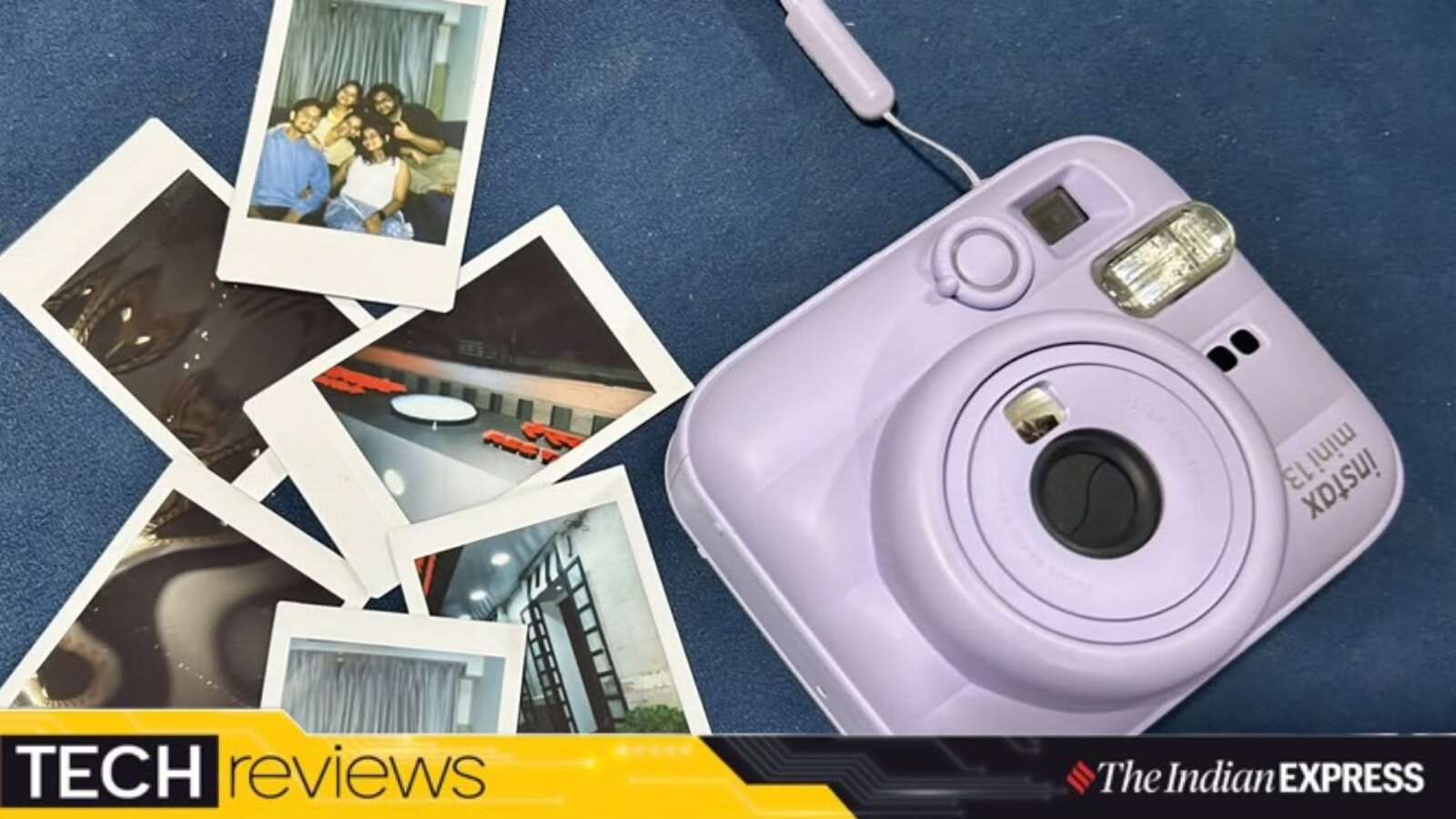
The Fujifilm Instax Mini 13 continues the brand's focus on the tactile, nostalgic experience of instant photography over technical precision. Priced at Rs 8,499, it introduces minor updates like a mechanical self-timer while maintaining the simplicity beloved by its Gen Z target audience.
The Tactile Renaissance: Analyzing the Fujifilm Instax Mini 13
The instant camera market has experienced a remarkable resurgence in an era dominated by high-resolution digital sensors and algorithmic image processing. The Fujifilm Instax Mini 13 stands as the latest iteration in this trend, prioritizing the physical act of creation over the pixel-perfect results demanded by professional photography. By focusing on the sensory experience—the sound of the motor and the gradual appearance of an image—Fujifilm continues to cater to a demographic that values tangible memories in a digital world.
Incremental Innovation and Familiarity
At a price point of Rs 8,499, the Mini 13 is positioned as an accessible entry point into analog photography. While it does not represent a radical departure from its predecessor, the Mini 12, it introduces refined features such as a mechanical self-timer. This deliberate choice to maintain consistency suggests that Fujifilm understands its core user base values reliability and simplicity above complex manual controls or advanced technical specifications.
Design Language and User Experience
Design plays a pivotal role in the appeal of the Instax line, and the Mini 13 continues this with its signature rounded, "pillowy" aesthetic. This design language is intentional; it moves away from the clinical, industrial look of traditional cameras, instead opting for a friendly, approachable form factor. By stripping away the need for advanced settings, the device lowers the barrier to entry, ensuring that the focus remains entirely on the spontaneity of the moment.
The Shift Toward Analog Nostalgia
For Generation Z, the appeal of the Instax Mini 13 is rooted in its resistance to the "perfect shot" culture synonymous with modern smartphone photography. In a digital ecosystem where photos are edited, filtered, and uploaded in seconds, the instant camera offers a finite, singular experience. The inability to preview or undo a shot adds a layer of authenticity that many users find lacking in contemporary social media interactions.
Future Trends in Instant Photography
Looking forward, the market for instant cameras appears stable as long as manufacturers like Fujifilm continue to balance nostalgia with practical, user-friendly updates. The success of the Mini 13 suggests that the future of this niche lies not in competing with smartphone camera quality, but in doubling down on the physical experience. By keeping the technology simple and the results immediate, Fujifilm ensures that the act of taking a photo remains an event rather than a routine task.
Conclusion
The Fujifilm Instax Mini 13 succeeds by understanding its limitations and turning them into strengths. It is not designed for the photographer seeking technical mastery, but for the individual seeking a connection to the moment. Through its blend of subtle upgrades and a commitment to the core instant-photography experience, the device reaffirms the enduring power of physical media in a digital-first society.