Who is Jay Clayton, a Trump loyalist tapped as new US AI czar?
Source Entity
The Indian Express
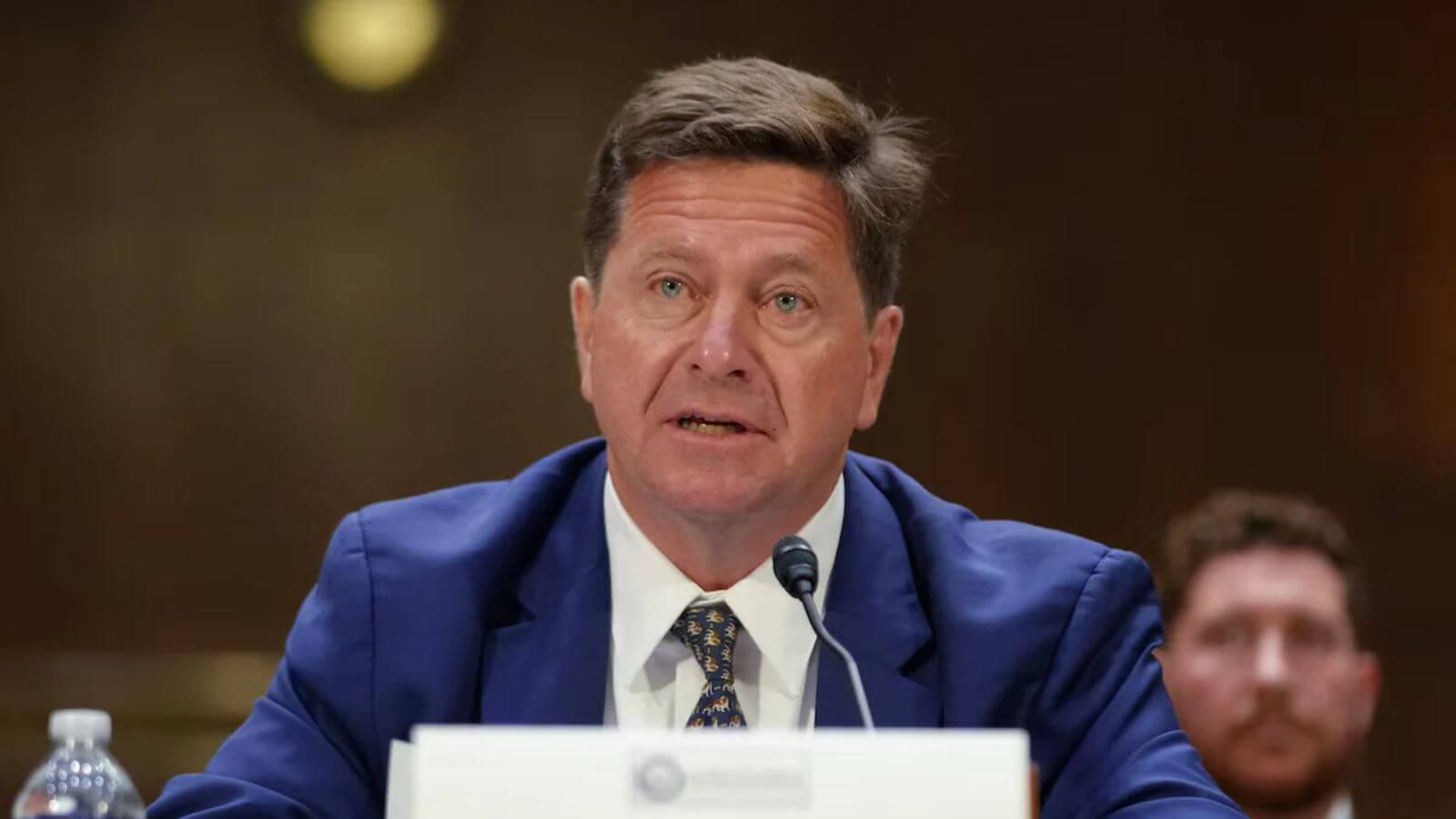
President Trump has appointed Director of National Intelligence Jay Clayton as the new AI czar to lead a White House task force. The 'Super Intelligence Force' will spend the next 120 days evaluating the risks and opportunities of advanced AI technology.
Strategic Pivot: Jay Clayton Named as U.S. AI Czar
President Donald Trump has officially appointed Jay Clayton, the current Director of National Intelligence, to spearhead the administration's artificial intelligence strategy. This move signals a significant consolidation of AI oversight within the intelligence and national security apparatus. By placing the country's top intelligence official at the helm of AI policy, the administration is underscoring its view that the rapid evolution of machine learning and autonomous systems is primarily a matter of national security rather than merely a commercial or economic concern.
The Rise of the 'Super Intelligence Force'
Central to Clayton's new mandate is the formation of a White House task force, which the administration has branded the 'Super Intelligence Force.' The use of the term 'Super Intelligence' (SI) over the more conventional 'Artificial Intelligence' (AI) is a deliberate branding choice by President Trump, reflecting a focus on the most advanced, potentially transformative tiers of the technology. This task force is charged with a rigorous 120-day timeline to conduct a comprehensive assessment of both the inherent risks and the strategic opportunities posed by these systems.
Mandate and Responsibility
The task force's primary objective is to define the federal government’s role in managing, regulating, or fostering the growth of this technology. Within the four-month window, Clayton must produce a report that balances the need for American technological superiority against the societal and security dangers that advanced algorithms may present. This report is expected to serve as the blueprint for future executive orders and legislative recommendations regarding the governance of super-intelligent systems.
Contextualizing the Leadership Change
Jay Clayton steps into this role following the resignation of venture capitalist David Sacks, who previously served as the administration's AI and crypto czar until his departure in March. The transition from a private-sector venture capitalist to a career intelligence official marks a shift in the administration’s approach. While Sacks’ tenure focused heavily on the intersection of commerce and innovation, Clayton’s appointment suggests that the current priority is hardening the nation’s technological infrastructure against foreign adversaries and mitigating high-level existential risks.
Broader Implications and Future Trends
This appointment highlights a growing global trend where AI policy is increasingly synonymous with intelligence policy. As the U.S. government seeks to maintain its lead in the global AI race, the integration of intelligence oversight into the policy-making process suggests that future regulations will likely emphasize secure deployment, data sovereignty, and the containment of potential threats. The next 120 days will be critical, as the findings of the 'Super Intelligence Force' will likely dictate the tone of federal oversight for the remainder of the administration’s term and set the stage for long-term technological competition with international rivals.
Multiple Citing Sources