Apple removes Bitchat app from India App Store 'after government order'
Source Entity
TNN
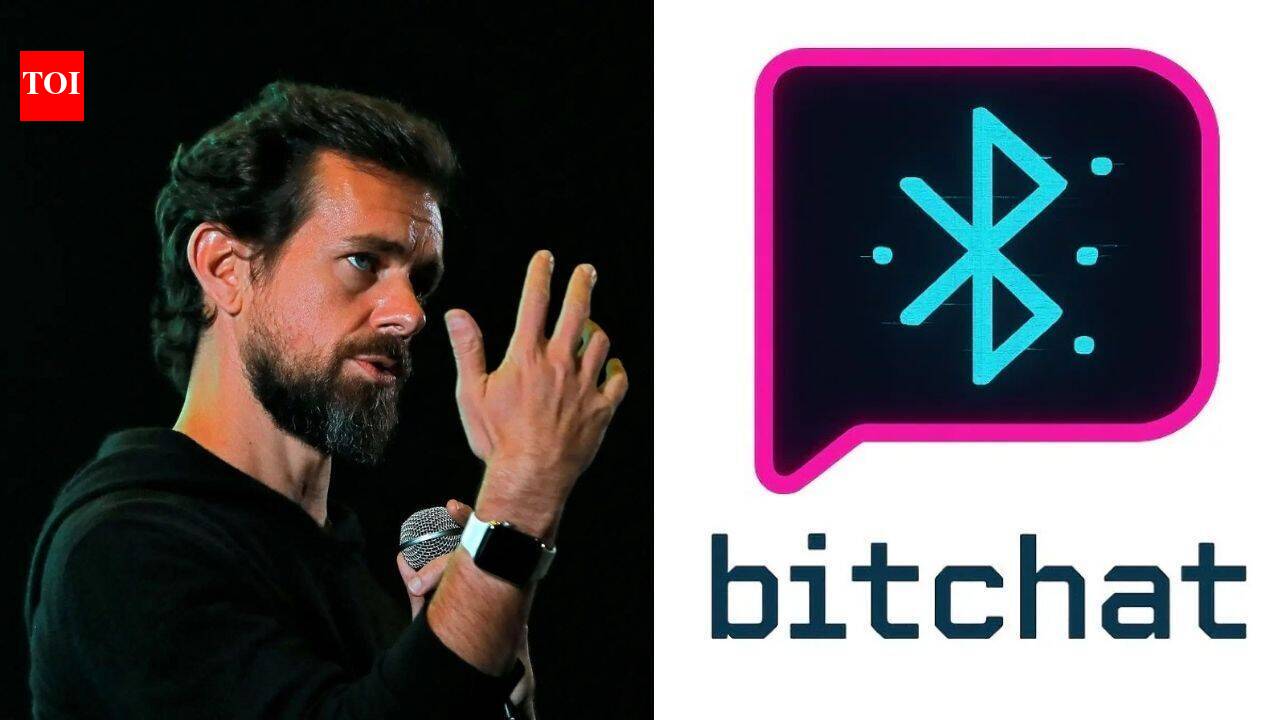
The Indian government has ordered the removal of Jack Dorsey’s decentralized messaging app, Bitchat, from the Apple and Google app stores. Citing Section 69A of the IT Act, officials claim the app hosts illegal content, marking the second time this year the platform has faced such restrictions.
The Regulatory Crackdown on Decentralized Communication
The recent removal of Bitchat from Apple and Google’s app stores in India marks a significant escalation in the ongoing friction between the Indian government and decentralized technology platforms. Bitchat, a messaging application championed by Twitter co-founder Jack Dorsey, utilizes Bluetooth-based mesh networking to facilitate offline communication. This peer-to-peer architecture, designed to function independently of traditional internet infrastructure, has apparently drawn the ire of the Ministry of Electronics and Information Technology (MeitY).
Legal Framework: Section 69A of the IT Act
The government’s directive to remove Bitchat was issued under Section 69A of the Information Technology Act, 2000. This provision empowers the Indian state to issue directions for blocking public access to any information generated, transmitted, or hosted on computer resources. The government has explicitly cited the presence of 'illegal content' within the app as the justification for this move. This legal instrument has become the primary tool for New Delhi to enforce digital sovereignty and curb platforms that operate outside conventional oversight models.
A Pattern of Scrutiny and Removal
This is not the first time Bitchat has faced regulatory hurdles in India. The application was previously subjected to government scrutiny in July of this year, leading to a temporary removal before it eventually returned to the marketplace. The recurrence of this action suggests that the government remains unsatisfied with the app’s compliance or its inability to moderate content effectively. By blocking not only the primary app store listing but also the TestFlight beta-testing service, authorities have signaled a comprehensive effort to limit the software's footprint in the country.
The Challenge of Decentralized Mesh Networking
The core of the conflict lies in the nature of Bitchat’s technology. Unlike centralized messaging platforms where data flows through corporate servers—making it easier for law enforcement to issue takedown requests—Bitchat’s mesh networking relies on localized, peer-to-peer connections. This decentralized design poses a unique challenge to regulatory bodies that rely on identifying and removing specific content at the source. The government’s move to pressure Apple and Google suggests that, in the absence of a central server to target, they will hold the distribution platforms accountable for the software's presence.
Broader Implications and Future Trends
The removal of Bitchat reflects a broader trend of tightening digital regulation in India, where the balance between individual privacy and national security remains a contentious issue. As decentralized apps continue to gain popularity as tools for privacy-conscious users, we can expect to see more frequent collisions between developers of open-source, peer-to-peer technologies and government authorities. The precedent set by this removal suggests that international tech giants will continue to face immense pressure to comply with local directives, potentially limiting the availability of privacy-focused communication tools in the Indian market going forward.
Multiple Citing Sources