Could this be the last Bonfire Night for noisy fireworks at home?
Source Entity
BBC News
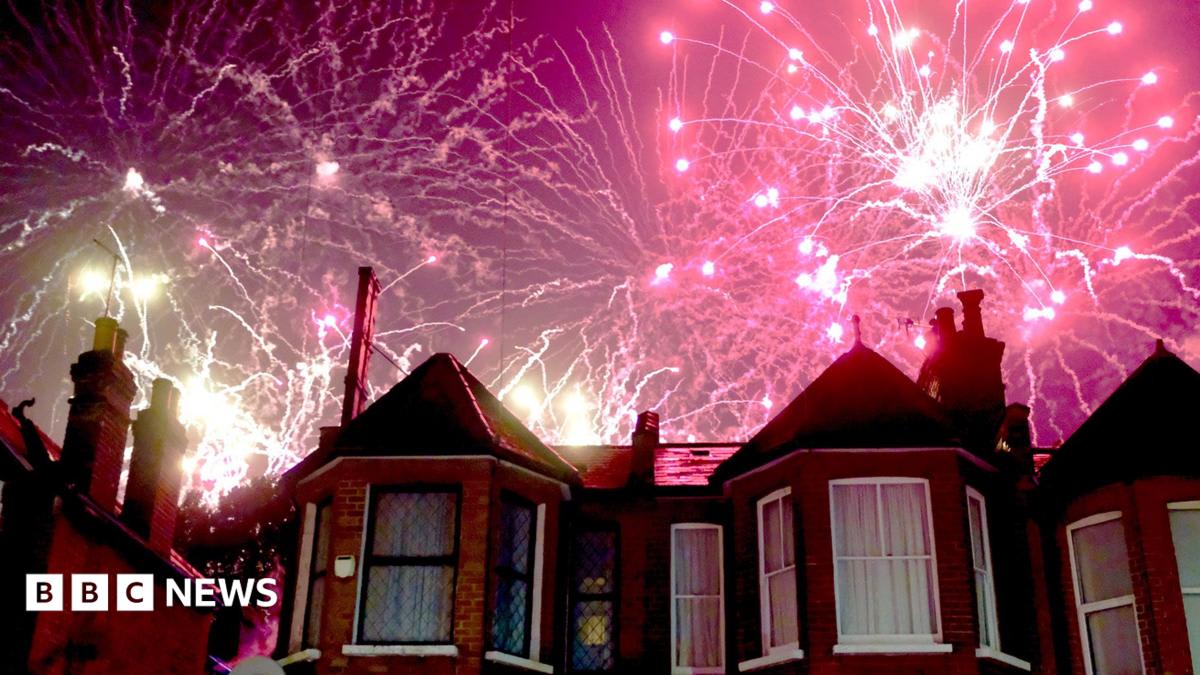
The UK government is considering a 50% reduction in the noise limit for fireworks sold for private use. This proposal aims to address concerns regarding the welfare of animals and individuals suffering from PTSD.
The Future of Bonfire Night: A Shift Toward Silence
For generations, the crackle and boom of fireworks have defined the autumnal celebration of Bonfire Night. However, the tradition is currently facing a significant regulatory crossroads. The government is evaluating a proposal to reduce the noise limit for fireworks intended for private use by 50%. This potential legislative shift reflects a growing societal tension between long-standing cultural customs and contemporary concerns regarding public well-being and animal welfare.
The Drivers of Policy Change
The push for quieter fireworks is largely driven by advocacy groups highlighting the adverse effects of loud, unpredictable pyrotechnics on vulnerable populations. Specifically, individuals suffering from Post-Traumatic Stress Disorder (PTSD) often find the sudden, intense auditory triggers of conventional fireworks deeply distressing. Furthermore, domestic pets and local wildlife frequently experience extreme anxiety and disorientation due to the high-decibel blasts associated with private displays, which occur annually across the UK as autumn festivities begin.
Balancing Tradition and Regulation
With approximately 20 million people participating in home firework displays each year, the industry is a significant component of seasonal commerce. Industry stakeholders, such as Andy Hubble of the British Fireworks Association (BFA), have argued that the sector is already transitioning toward more subdued pyrotechnics. There is a palpable fear among industry leaders that overly restrictive legislation could backfire, potentially fostering a black market for high-decibel, unregulated fireworks that lack the safety standards currently required for public sale.
The Broader Cultural Context
Bonfire Night and the surrounding Halloween period represent a peak time for the pyrotechnics industry. The proposal to cap noise levels serves as a test case for how governments handle the regulation of traditional activities in an increasingly urbanized and noise-sensitive society. If enacted, this policy would not only alter the auditory experience of the night but could also fundamentally change the manufacturing and retail standards for the fireworks industry moving forward.
Looking Ahead: A Quieter Sky?
As the government weighs the evidence, the debate remains centered on finding a sustainable balance. Policymakers must reconcile the public demand for celebratory displays with the physiological needs of those negatively impacted by noise pollution. Whether this leads to a total transformation of the industry or a measured compromise remains to be seen, but it is clear that the traditional 'bang' of Bonfire Night is undergoing a period of rigorous scrutiny.