Flood threat in several Bihar, UP districts as Nepal rains trigger breach in Gandak embankment
Source Entity
Santosh Singh
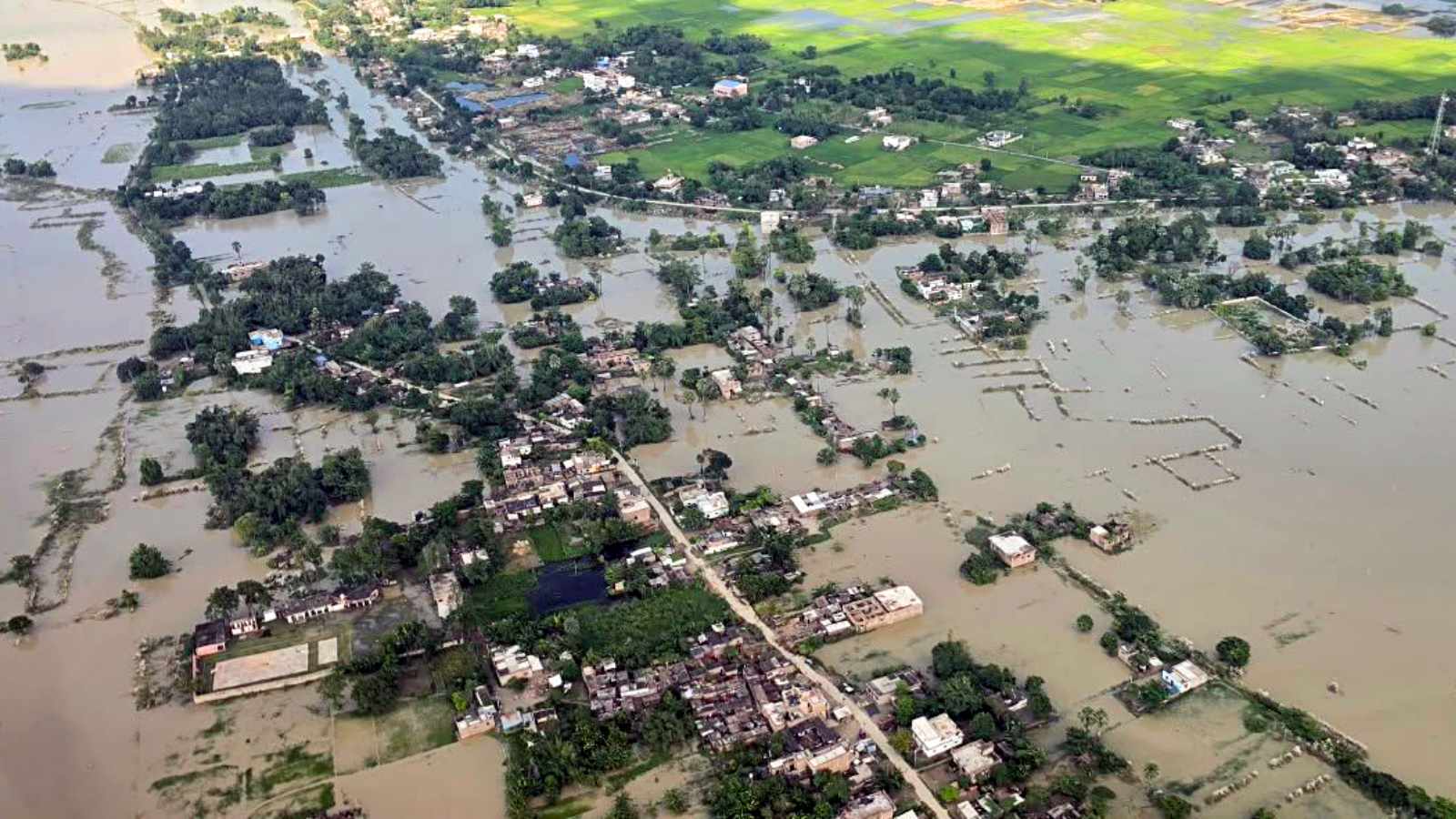
Heavy rainfall in Nepal has triggered a massive discharge into the Gandak River, causing embankment breaches and severe flood threats in Bihar and Uttar Pradesh. Authorities are managing record-breaking water volumes as downstream districts remain on high alert.
The Gandak River Crisis: A Transboundary Hydrological Emergency
Recent meteorological instability in the Nepalese catchment area of the Gandak River basin has precipitated a critical hydrological event. Intense, short-duration rainfall across the mountainous terrain has resulted in an immediate and dangerous surge in water volume, flowing downstream into the plains of India. This transboundary flow has placed multiple districts in Bihar and Uttar Pradesh on high alert, as the sheer velocity and volume of the water overwhelm existing infrastructure.
Infrastructure Failure and Embankment Breaches
The strain on regional defenses became evident on Monday when the Gandak embankment suffered a significant breach at Bagaha. Embankments, which serve as the primary line of defense against seasonal flooding in the Gangetic plains, are often ill-equipped to handle the sudden, concentrated pulses of water typical of flash floods. This breach significantly increases the risk of inundation for surrounding agricultural lands and residential settlements, necessitating urgent disaster management interventions.
Quantifying the Surge: Data from Valmikinagar
The scale of this flood event is underscored by the data provided by the Bihar Water Resources Department. At 6 am on Tuesday, the Valmikinagar Gandak Barrage recorded a massive discharge of 5,43,500 cusecs. Even more concerning is the duration of this high-pressure event; the river maintained a discharge exceeding 500,000 cusecs for 13 hours and remained above 400,000 cusecs for an extended period thereafter. Such sustained high-volume discharge exerts immense pressure on downstream flood-control structures, increasing the probability of further structural failures.
The Geography of Vulnerability
The Gandak River basin is notoriously sensitive to weather patterns in Nepal. Because the river originates in the Himalayas and descends rapidly into the North Indian plains, rainfall in the upper catchment translates into flood threats downstream within a very short window. This geographical reality leaves little time for local administrations to evacuate residents or reinforce embankments, making the region perpetually vulnerable to extreme weather events exacerbated by climate variability.
Broader Implications and Future Trends
This incident highlights the urgent need for enhanced transboundary cooperation regarding real-time hydrological data sharing between Nepal and India. As extreme weather events become more frequent due to shifting climate patterns, the reliance on century-old embankment systems may no longer be a sustainable solution. Future mitigation strategies must likely shift toward integrated basin management, improved early-warning systems, and a more robust engineering approach to handling extreme peak discharges that exceed current design capacities.