Gauhati High Court slams police press release after mob attacks murder accused’s family
Source Entity
Vineet Upadhyay
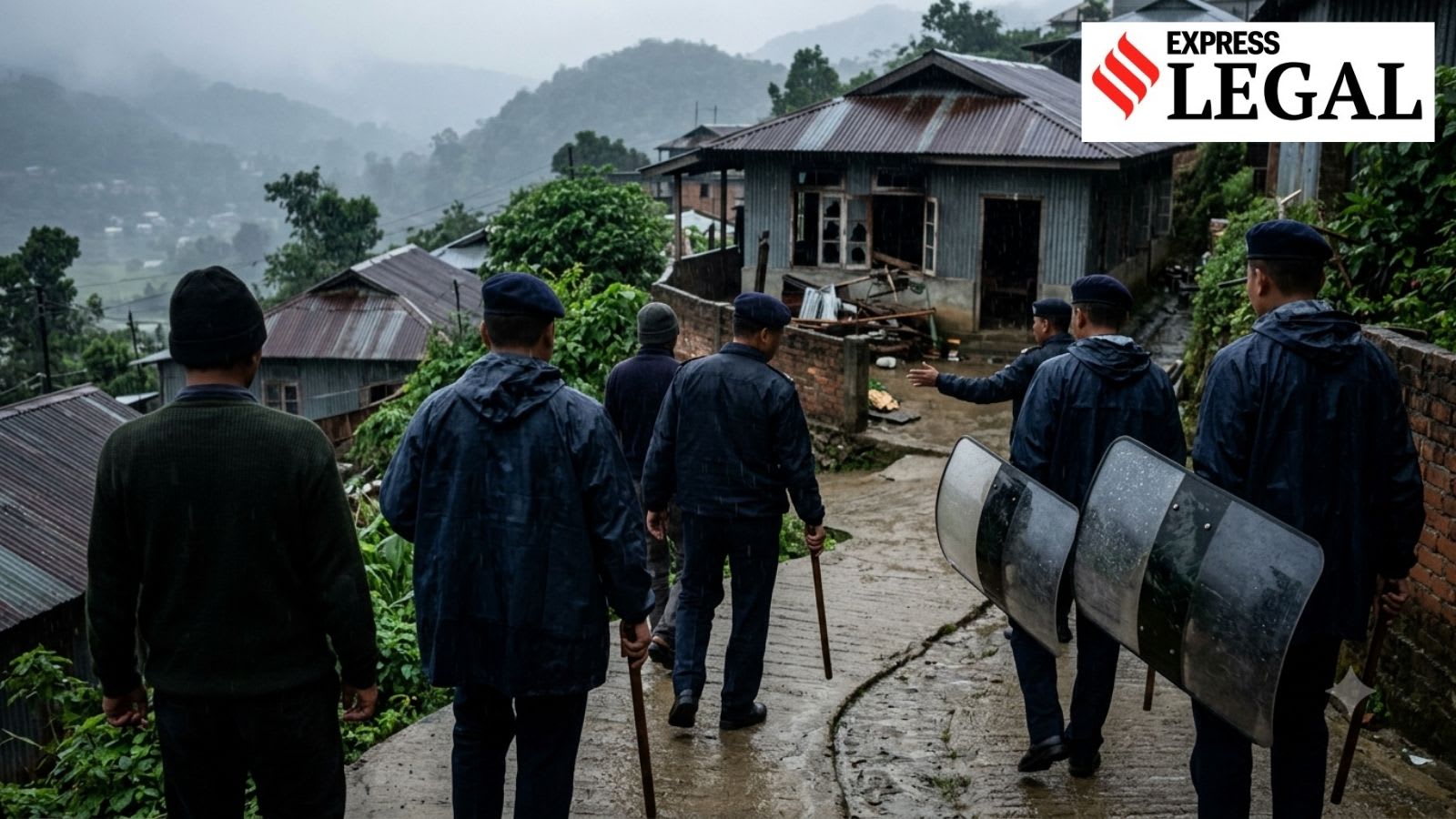
The Gauhati High Court has ordered the recall of a Mizoram Police press release that incited mob violence against the family of a deceased murder suspect. The court criticized the police for violating media briefing protocols and failing to protect the family from targeted attacks.
Gauhati High Court Intervenes in Mizoram Police Media Misconduct
Judicial Scrutiny of Police Conduct
The Gauhati High Court has issued a stern rebuke to the Mizoram Police, ordering the immediate recall of a press release that identified a deceased individual as the principal accused in a murder case. Justice Rajesh Mazumdar’s intervention highlights the judiciary’s role in curbing administrative negligence, specifically regarding the reckless dissemination of information that directly endangered the lives and property of the accused’s surviving family members.
The Failure of Due Process and Media Ethics
The central grievance addressed by the court concerns a profound breach of the 'Police Manual for Media Briefing.' By naming a deceased individual as the primary suspect—a man who had already passed away on December 16, 2025—the police released a statement on January 27 that lacked both legal necessity and factual accuracy. This premature and inflammatory disclosure essentially bypassed the presumption of innocence, effectively putting a target on the backs of the victim's grieving family.
Consequences of Administrative Irresponsibility
The direct correlation between the police press release and the subsequent mob violence is a critical point of concern. On the same day the statement was issued, a mob attacked the family, demonstrating the dangerous ripple effect that unchecked law enforcement rhetoric can have in polarized or sensitive local environments. The court noted that there was a 'clear and present threat' to the family, underscoring that the authorities’ failure to maintain confidentiality and accuracy directly facilitated this communal aggression.
Addressing Institutional Inaction
The legal proceedings, initiated by the widow of the deceased, also address an eviction notice issued by three local organizations. This adds a layer of social complexity to the case, as the family faces not only state-sponsored defamation but also extrajudicial social exclusion. The petition highlights the perceived inaction by local authorities to protect the family from these local groups, suggesting a systemic failure to uphold the rule of law in the face of public outcry.
Broader Implications for Law Enforcement
This case serves as a cautionary tale regarding the intersection of digital-age policing and public order. When law enforcement agencies prioritize public narrative over established media protocols, they risk inciting the very instability they are sworn to prevent. Moving forward, this ruling is expected to force a re-evaluation of how Mizoram Police—and other regional forces—manage sensitive information to ensure that public communication does not supersede the fundamental right to safety and due process.
Conclusion
The Gauhati High Court’s ruling is a landmark decision emphasizing that the state’s duty to maintain order includes the responsible management of information. By holding the police accountable for the consequences of their press release, the court has reaffirmed that administrative bodies are not immune to the damage caused by their own procedural failures. The case remains a critical reminder of the necessity for transparency, accuracy, and protective duty in police-public interactions.