Set up SIT to probe ‘attack on lawyers’ amid stir against BCI chief: SC to Delhi top cop
Source Entity
The Indian Express
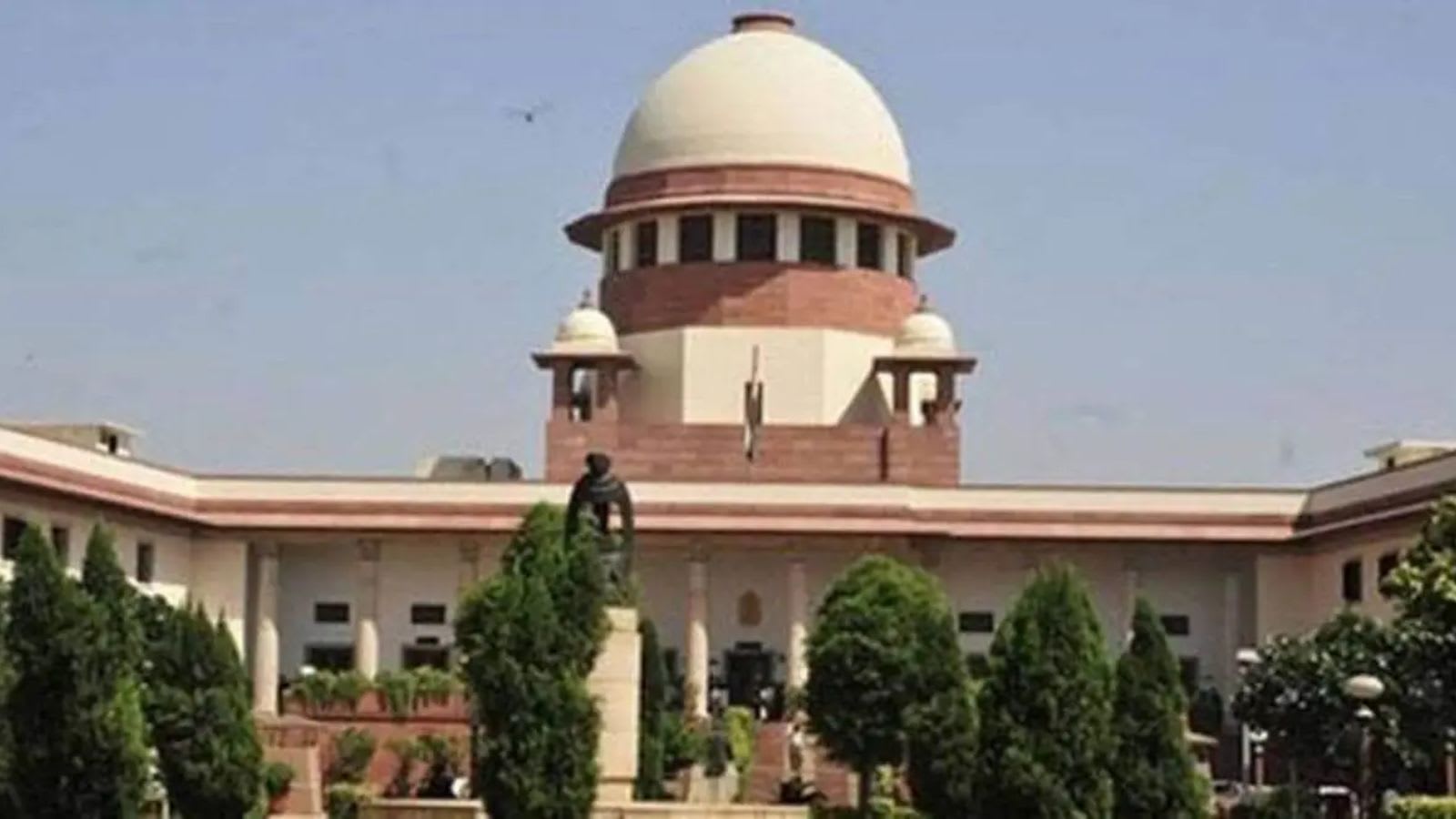
Gautam Budh Nagar and Delhi police have implemented strict security measures, including Section 163 and large-scale detentions, to manage a planned Cockroach Janta Party protest. Over 35,000 personnel are deployed to maintain order amid concerns over potential violence and public disruption.
Security Clampdown Ahead of CJP Protest
In anticipation of the protest organized by the Cockroach Janta Party (CJP) at Jantar Mantar, authorities in the National Capital Region have initiated a massive security operation. The Gautam Budh Nagar police have invoked Section 163 of the Bharatiya Nagarik Suraksha Sanhita (BNSS), 2023, to impose 18 specific restrictions across the district. These measures, effective from October 10 to October 20, represent a proactive attempt to prevent potential civil unrest and ensure public safety.
Strategic Restrictions and Public Order
The restrictions in Gautam Budh Nagar include a ban on unauthorized public gatherings of five or more people, the prohibition of effigy burning, and strict controls on the storage of materials like bricks or inflammable substances in open spaces. By limiting these potential tools of agitation, the police aim to mitigate the risk of violence. The order explicitly cites the potential for anti-social elements to disrupt public order, necessitating these stringent preventive measures.
Massive Deployment in the National Capital
Simultaneously, the Delhi Police have rolled out an extensive security blueprint involving approximately 35,000 security personnel. This massive mobilization is a direct response to the planned demonstration against the Election Commission and CEC Gyanesh Kumar. The force is tasked with managing road blockades, enforcing preventive detentions, and monitoring high-traffic areas, which will inevitably lead to disruptions in metro services and market operations throughout the city.
Preemptive Measures and Preventive Detentions
As part of the intelligence-led strategy, Delhi Police conducted overnight operations across 15 districts, detaining at least 100 individuals with prior criminal records. Sources indicate these individuals were suspected of planning to join the CJP-led protest. By targeting those with a history of creating disturbances, the police are attempting to neutralize potential threats before they reach the protest site at Jantar Mantar.
Regulatory Hurdles and Legal Context
The protest itself faces significant legal hurdles, with the Delhi Police formally denying permission for the gathering. Joint Commissioner of Police (New Delhi) Nupur Prasad cited the organizers' failure to comply with conditions from previous demonstrations and the late submission of their request as grounds for the denial. This administrative rejection underscores the deepening friction between the CJP and the authorities regarding the rights of assembly versus the maintenance of public order.
Future Implications for Civil Discourse
These events highlight the growing tension between organized political dissent and the state's mandate to maintain security in a densely populated urban center. As the authorities prioritize stability, the reliance on broad preventive laws like the BNSS suggests a trend toward tighter control over public demonstrations. The outcome of this standoff will likely set a precedent for how future protests are handled in the capital, balancing the constitutional right to protest with the practical requirements of law enforcement.
Multiple Citing Sources