U.P. Gen Alpha protests: Opposition demands education reforms, calls checklist ‘eyewash’
Source Entity
India Latest News: Top National Headlines Today & Breaking News | The Hindu
Gen Alpha students in India are increasingly using social media to protest systemic infrastructure failures in schools, ranging from lack of teachers to poor sanitation. Opposition parties have criticized the government's response, such as administrative checklists, as insufficient 'eyewash' that ignores deeper policy failures.
The Rise of Student Activism: Gen Alpha Demands Accountability
A new wave of student-led activism is sweeping across India, characterized by Gen Alpha schoolchildren utilizing social media platforms to highlight critical failures in their educational environments. Unlike traditional student movements focused on macro-political issues, these protests are grounded in the tangible, daily struggles of the classroom: the absence of teachers, non-functional toilets, and the lack of basic infrastructure like playgrounds or safe access roads. The recent march of 300 children in Hamirpur, who traveled 6km to the collectorate for a road to their school, serves as a poignant microcosm of a national crisis.
The Data Behind the Discontent
While these protests appear localized, official data confirms that the grievances are far from isolated. Investigations into school infrastructure reveal a fragmented landscape, with significant disparities in access to essential tools such as computers and internet connectivity. These technological and physical gaps are not merely inconveniences; they represent a fundamental barrier to equitable education, creating a divide between schools that are adequately resourced and those that suffer from chronic neglect.
Government Response vs. Political Criticism
In response to the growing unrest, particularly in Uttar Pradesh, the state Education Department has introduced a 14-point checklist for approximately 40,000 basic and secondary schools. This administrative measure aims to audit and address the infrastructure deficits pointed out by the students. However, this move has met with sharp resistance from the Opposition, who argue that such checklists are a superficial 'eyewash' intended to deflect from deeper systemic issues, such as mass school closures and the declining quality of instruction.
The Opposition's Stance on Systemic Failure
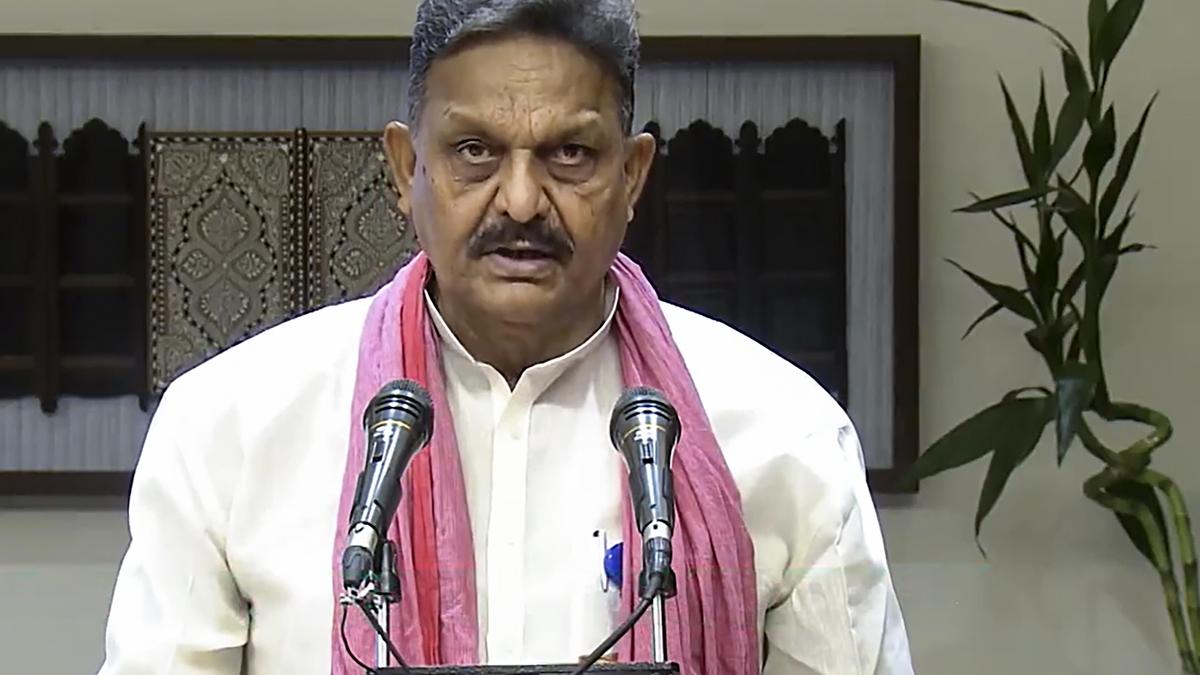
Opposition leaders, including Samajwadi Party MP Afzal Ansari, have characterized the current state of education as a 'structural collapse.' They contend that government interventions are merely performative, failing to address the root causes of the crisis. The criticism highlights a recurring theme in Indian education policy debates: the tension between quick-fix administrative accountability measures and the need for a comprehensive, long-term overhaul of the pedagogical and physical infrastructure of the state-run school system.
Broader Implications and Future Outlook
The emergence of 'Gen Alpha' as a political voice marks a significant shift in how educational policy is scrutinized. By bypassing traditional channels and using social media to document the reality of their schools, these students are exerting pressure on local and state governments to move beyond bureaucratic checklists. The future of this movement likely depends on whether authorities can pivot from defensive administrative measures to substantive investments in staffing and infrastructure, or if the current cycle of protest and performative response will continue to erode trust in public education.
Verification Required?