The silver bullet: Why everyone loves a Metro
Source Entity
Rishika Singh, Devansh Mittal
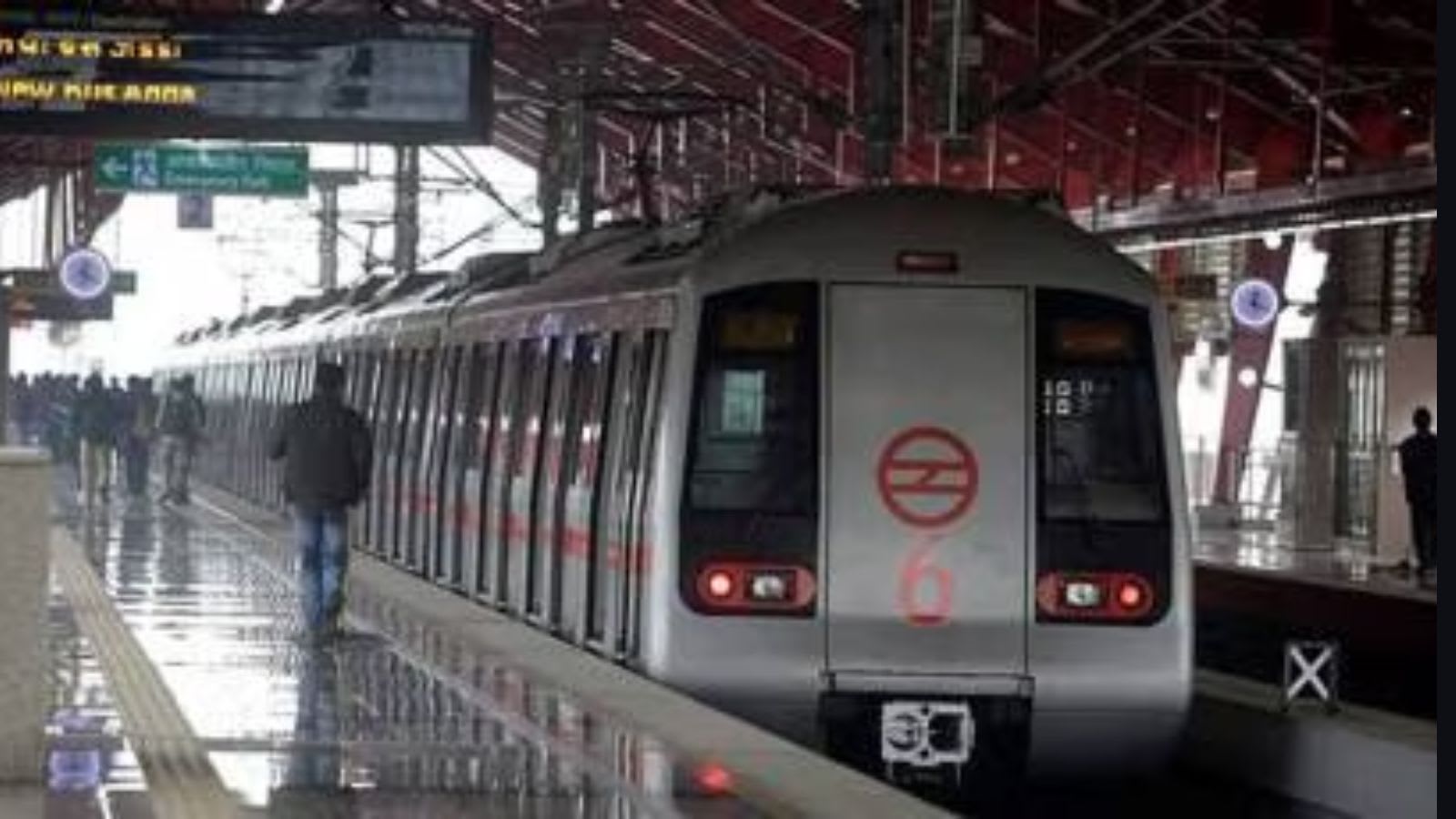
Residents of Greater Noida West, represented by NEFOWA, staged a symbolic protest to demand a Metro line extension. Despite the region's massive population growth, the Central government recently rejected the revised project report, leaving commuters facing severe daily traffic congestion.
The Metro Struggle: Greater Noida West's Infrastructure Crisis
A Symbolic Stand for Connectivity
In a striking display of civic frustration, approximately 200 residents of Greater Noida West, led by Abhishek Kumar, engaged in a symbolic protest at the Sector 71 intersection. By attempting to 'pull' the final Metro pillar with ropes, the group highlighted the desperate need for mass transit infrastructure in a rapidly urbanizing region. This act of civil disobedience was organized by the Noida Extension Flat Owners Welfare Association (NEFOWA), serving as a visual metaphor for the community's feeling of being physically disconnected from the surrounding economic hubs of Noida and Delhi.
The Demographic Reality of Greater Noida West
Greater Noida West has transformed into a massive residential hub, currently housing an estimated 10 lakh people across at least 80 housing societies. This rapid vertical and horizontal expansion has vastly outpaced the development of public transportation infrastructure. As Abhishek Kumar noted, the lack of a Metro connection forces thousands of professionals into daily, grueling traffic commutes. The current reliance on private vehicles and limited bus services has rendered the area's transit system insufficient for its dense population, creating a bottleneck that impacts the quality of life and productivity of the entire region.
The Administrative Deadlock
The tension reached a boiling point following the Central government's recent decision to reject the revised Detailed Project Report (DPR) for the proposed Metro extension. The rejection of the DPR represents a significant administrative hurdle for residents who view the Metro not as a luxury, but as an essential service. For the inhabitants of these 80 societies, the government’s decision effectively stalls the promise of connectivity, leaving them to navigate an increasingly congested road network without a clear timeline for relief.
Broader Urban Planning Implications
This protest underscores a systemic issue in Indian urban planning, where real estate development often precedes the establishment of robust transit-oriented development (TOD). While Greater Noida West was promoted as a modern residential destination, the failure to integrate mass transit early in the planning cycle has created a 'commuter trap.' The community's proactive efforts through NEFOWA signify a growing trend of organized resident groups demanding accountability from urban planning authorities to ensure that infrastructure keeps pace with housing demand.
Future Outlook and Conclusion
The conflict between the residents of Greater Noida West and the governing bodies regarding the Metro extension is likely to continue as long as the transit deficit remains unaddressed. Without a viable alternative to road transport, the congestion levels will only intensify as the population grows further. The situation serves as a critical case study for regional planners, highlighting that sustainable urban growth requires timely investment in public transit. Until the government and stakeholders find common ground on a revised project plan, the residents are left to navigate the daily gridlock, further fueling the demand for a permanent, long-term solution.