Delhi-Faridabad section of Mumbai expressway opens for trials
Source Entity
Latest News: Todays Latest News Headlines from India & World | Hindustan Times | Hindustan Times
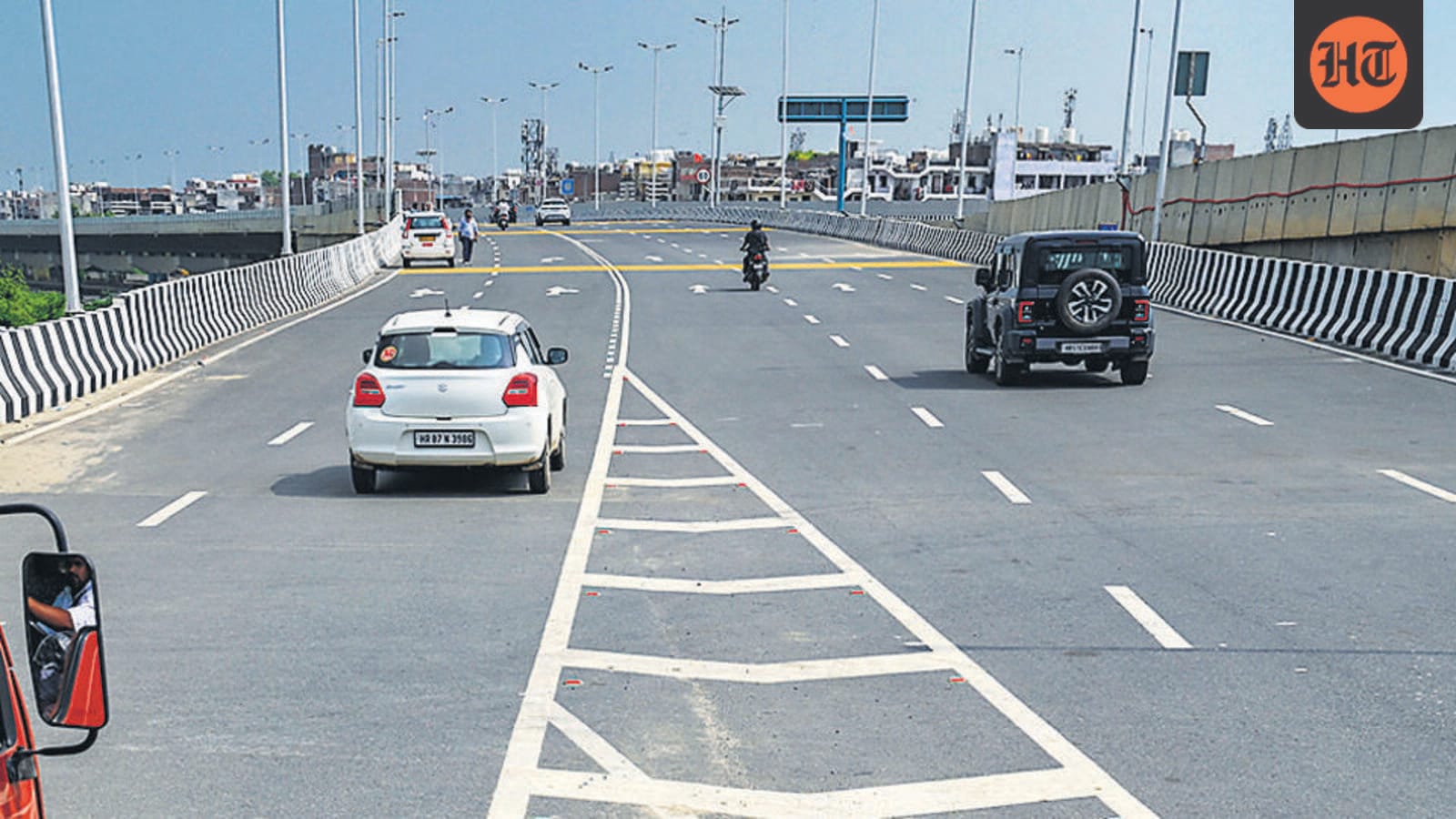
The Delhi-Faridabad section of the Mumbai Expressway has commenced trial runs to evaluate traffic flow and operational readiness. This new corridor allows commuters to access the expressway via the DND Flyway and Ring Road toward Haryana.
Strategic Connectivity: The Delhi-Faridabad Expressway Trial
The initiation of trial runs on the Delhi-Faridabad section of the Delhi-Mumbai Expressway marks a significant milestone in India's infrastructure development. By allowing commuters to access the corridor via the Ring Road and DND Flyway at Sarai Kale Khan-Maharani Bagh, authorities are effectively bridging a critical gap in the National Capital Region's (NCR) transit network. This trial phase, which commenced on Friday, serves as a litmus test for traffic management systems and road infrastructure readiness.
Operational Objectives and Traffic Management
According to senior traffic police officials, the primary goal of this month-long trial is to assess operational readiness before an official inauguration. The route, which traverses through Jaitpur and Meethapur in South Delhi before reaching Faridabad, is designed to alleviate congestion on existing arterial roads. Additional Commissioner of Police (Traffic) Dinesh Kumar Gupta emphasized that these trials are essential for evaluating current traffic arrangements and ensuring safety protocols are robust enough to handle the projected volume of interstate commuters.
Impact on Regional Connectivity
Historically, the Delhi-Faridabad corridor has suffered from extreme traffic density, impacting the daily commute of thousands. The integration of the DND Flyway with the Mumbai Expressway represents a modernized approach to urban planning, aiming to create a seamless transition between the capital and the satellite city of Faridabad. By providing a dedicated corridor, the project aims to reduce travel time and optimize logistics movement, which is a core objective of the broader national expressway network.
The Role of Infrastructure in Economic Growth
Infrastructure projects of this magnitude are not merely about paving roads; they act as catalysts for economic growth by enhancing regional connectivity. The Delhi-Mumbai Expressway is one of the most ambitious road projects in India, and the successful trial of the Delhi leg is a vital component of its overall success. Improved connectivity between Delhi and Haryana is expected to boost commercial activities and real estate development in the outskirts, further integrating the NCR into a more cohesive economic unit.
Future Trends and Outlook
Looking ahead, the success of this trial will likely inform the phased opening of subsequent segments of the expressway. As urban populations continue to grow, the reliance on high-speed, high-capacity corridors will become increasingly critical. The focus on integrating existing junctions like Sarai Kale Khan and the DND Flyway suggests a move toward multi-modal connectivity, ensuring that the new expressway does not operate in isolation but serves as the backbone of the region's transport grid.
Conclusion
The commencement of these trials is a positive development for commuters and city planners alike. By prioritizing a rigorous testing phase, authorities are ensuring that the infrastructure is not only ready for public use but also capable of meeting the safety and efficiency standards required for such a high-traffic corridor. As the trial progresses over the next month, the data gathered will be instrumental in refining the traffic management strategies for the formal opening.
Verification Required?