From Mhow’s myth to story of mule Pedongi: General Naravane shares glimpses from his new book
Source Entity
Sushant Kulkarni
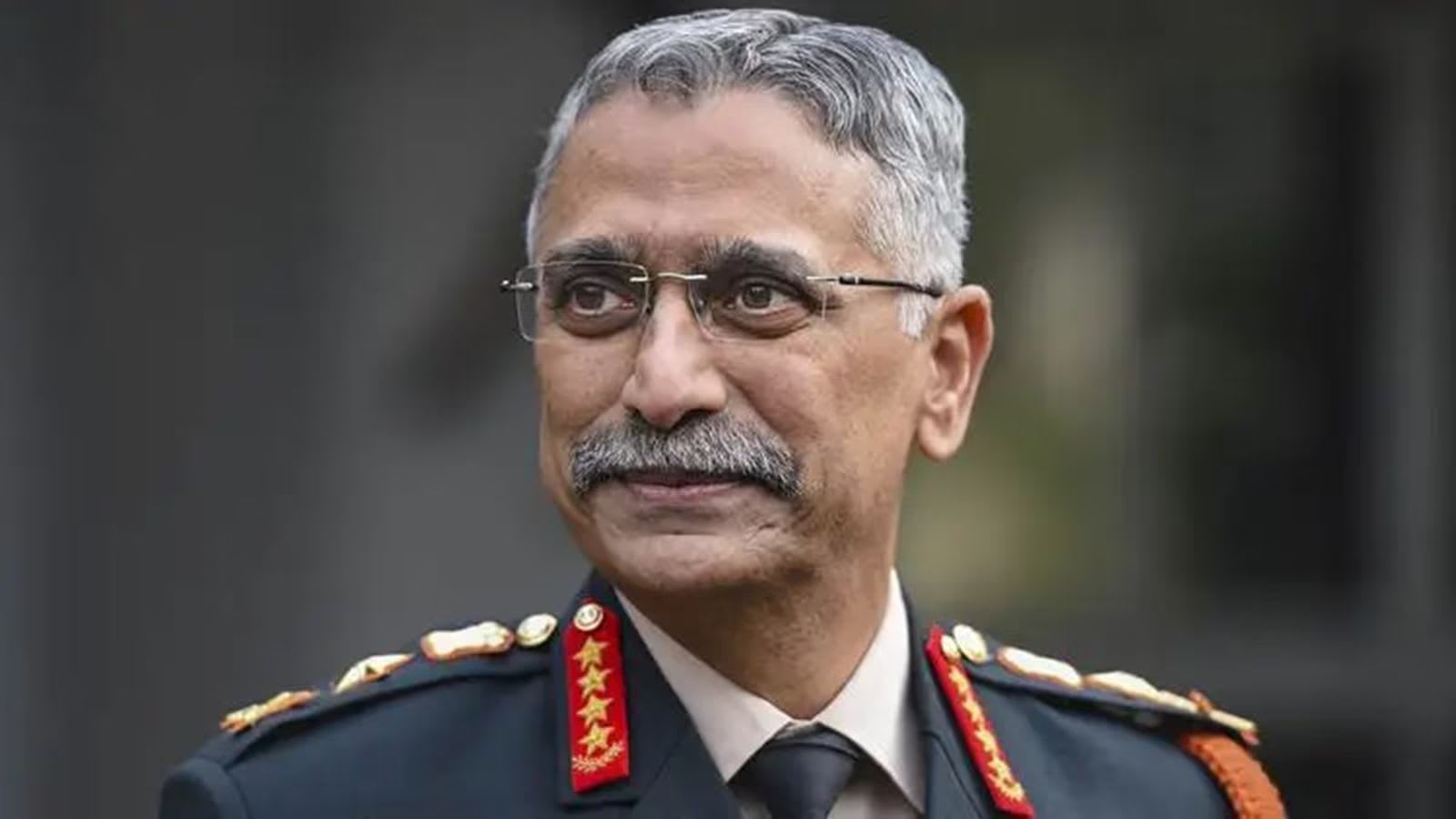
Former Army Chief General Manoj Mukund Naravane has released his book, 'The Curious and the Classified', which explores military folklore and traditions. The work highlights unique stories, including the origin of Mhow and the heroic tale of the legendary army mule, Pedongi.
Unveiling Military Lore: General Naravane’s New Literary Contribution
Former Chief of the Army Staff, General Manoj Mukund Naravane (Retd), has stepped into the literary sphere with his latest work, The Curious and the Classified: Unearthing Military Myths and Mysteries. Unveiled during an interactive session in Pune, the book serves as a bridge between the rigid, disciplined world of military operations and the rich, often overlooked tapestry of army folklore and cultural traditions.
Debunking Historical Myths
One of the central themes addressed in the book is the rectification of historical misconceptions regarding military geography. Specifically, General Naravane tackles the popular myths surrounding the naming of Mhow, a prominent military cantonment town in Madhya Pradesh. By addressing these local legends, the book provides a scholarly yet accessible approach to how military towns have evolved and how oral histories often diverge from official documentation.
The Legend of Pedongi
Perhaps the most poignant inclusion in the narrative is the story of Pedongi, a mule that served within the Indian Army. In military logistics, the role of mules remains critical in high-altitude and rugged terrain where mechanized transport fails. Pedongi’s story, as highlighted by General Naravane, is not merely an anecdote about an animal but a testament to the resilience and critical support provided by these creatures during intense battlefield ordeals, solidifying their place in the annals of Indian military history.
The Genesis of the Project
General Naravane revealed that the inspiration for this literary endeavor originated from an informal gathering two years ago. This origin story highlights the importance of preserving institutional memory. Often, the most profound insights into military life are shared in casual settings, and by transcribing these into a formal book, the General ensures that the nuances of military culture are preserved for future generations of service members and civilians alike.
Broader Implications for Military Culture
Beyond the specific stories, the book underscores the importance of 'soft' military history. While strategic and tactical manuals are essential, the traditions, myths, and legends that define the ethos of the Indian Army are what foster camaraderie and unit cohesion. By documenting these, General Naravane contributes to a deeper public understanding of the human element behind the uniform.
Future Trends in Military Literature
This work signals a growing trend of senior military leadership engaging with the public through memoirs and historical analyses. As the nature of warfare becomes increasingly digitized, the value of traditional military heritage becomes even more pronounced. General Naravane’s contribution invites a broader dialogue on how the Indian Army perceives its own history and how it chooses to transmit those values to the nation at large.