Death Count Rises To 8 In Gujarat Toxic Liquor Case, 39 Being Treated
Source Entity
NDTV News Search Records Found 1000
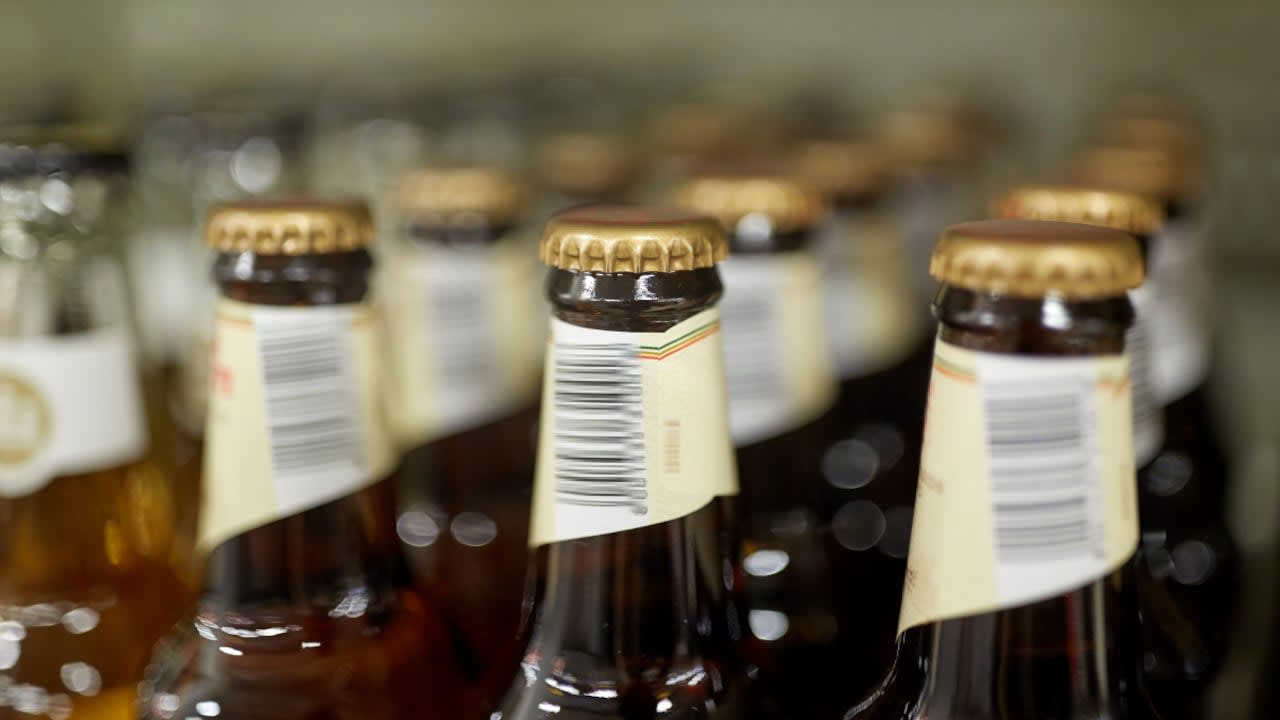
A tragic toxic liquor incident in Gujarat has resulted in eight deaths, with 39 others currently receiving medical treatment. Laboratory analysis of blood samples from the deceased confirmed the presence of methanol, a lethal industrial chemical.
The Gujarat Toxic Liquor Tragedy: An Analysis
The Incident
A severe public health crisis has unfolded in Gujarat following the consumption of illicitly produced liquor. Authorities have confirmed that the death toll has risen to eight individuals, while an additional 39 people remain under medical care as they struggle with the effects of poisoning. This incident highlights the persistent dangers associated with the illicit alcohol trade in regions where strict prohibition laws remain in effect.
Scientific Confirmation of Methanol Poisoning
The gravity of the situation was solidified by laboratory findings. Forensic analysis conducted on the blood samples of the deceased confirmed the presence of methanol. Methanol, often referred to as wood alcohol, is an industrial solvent that is frequently introduced into illicit liquor batches by unscrupulous bootleggers to increase the potency or volume of the product. It is highly toxic to humans, causing severe metabolic acidosis, blindness, and systemic organ failure, which explains the high mortality rate observed in this event.
The Broader Implications of Illicit Alcohol
The occurrence of methanol-laced liquor, commonly known as hooch, is a recurring issue in various parts of India. When bootleggers replace ethanol—the safe alcohol found in regulated spirits—with methanol, the result is lethal. This practice is often driven by the desire to cut costs and maximize profits in the underground market. The current situation in Gujarat serves as a stark reminder of the risks when supply chains are unregulated and illicit activities operate outside the purview of state safety standards.
Public Health and Emergency Response
With 39 individuals currently under treatment, the state's healthcare system is under significant pressure. The clinical management of methanol poisoning requires rapid intervention, often involving the administration of antidotes like fomepizole or ethanol, along with dialysis. The survival of the remaining patients depends heavily on the speed of diagnosis and the availability of specialized critical care facilities, which are essential when dealing with toxic ingestion of this magnitude.
Historical Context and Regulatory Challenges
Gujarat has long maintained a policy of prohibition, which strictly regulates the sale and consumption of alcohol. Historically, such policies are intended to curb social ills but often inadvertently foster a secondary, dangerous black market. The presence of methanol indicates a complete lack of quality control in the illicit manufacturing process. This incident will likely trigger renewed debates regarding the efficacy of enforcement versus the public health risks posed by the lack of a regulated, safe supply chain.
Future Trends and Preventive Measures
Moving forward, authorities are expected to intensify crackdowns on illegal distillation units to prevent further casualties. However, the recurring nature of these tragedies suggests that enforcement alone may not suffice. Experts often point toward the need for better detection methods, public awareness campaigns regarding the dangers of unverified alcohol, and potentially a re-evaluation of how such substances are intercepted before they reach the consumer. The focus remains on stabilizing those currently in medical care while ensuring that those responsible for the production and distribution of the toxic batch are held accountable.
Verification Required?