World Emoji Day :Here's your Gen Z's guide for emojis
Source Entity
Latest News: Today's Latest News Headlines from India & World | Hindustan Times | Hindustan Times
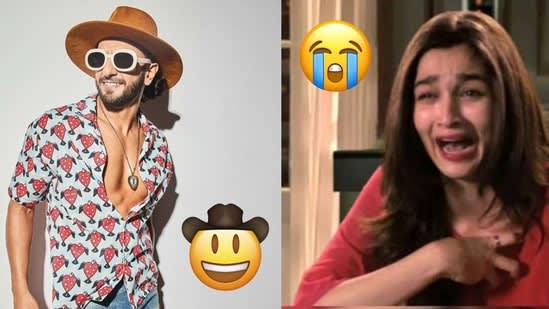
Gen Z has fundamentally transformed the digital lexicon by subverting the traditional meanings of common emojis. This shift reflects a broader linguistic evolution where irony and sarcasm define modern online communication.
The Semantic Evolution of Digital Communication
In the digital age, the landscape of human expression is constantly shifting, and World Emoji Day serves as a poignant reminder of how quickly language evolves. Gen Z has effectively rewritten the emotional dictionary of our keyboards, turning standardized pictograms into tools of irony, sarcasm, and complex social signaling. What was once a simple system of literal representation has morphed into a sophisticated, nuanced dialect where the intent is often the exact inverse of the original design.
The Weaponization of Affection
Take, for instance, the 'loved up' emoji (🥰). Originally intended to convey genuine warmth or romantic affection, it has been repurposed by younger demographics to act as a rhetorical shield. When used to soften a harsh critique or mock an individual, it functions as a 'verbal pat on the head with a blade hidden underneath.' This usage highlights a trend in digital discourse where users employ overly sweet, dramatic personas to deliver biting commentary, effectively masking aggression with a veneer of forced positivity.
The Flexibility of the Crying Emoji
Perhaps the most radical shift is seen in the 'crying' emoji. Once a literal indicator of sadness or grief, it now serves as the most flexible tool in the Gen Z repertoire, used in almost every context except actual weeping. Whether reacting to a humorous joke or a display of cuteness, the crying emoji has become a shorthand for 'emotional overload.' This reflects a broader linguistic trend where hyperbole is utilized to bridge the gap between digital text and the intensity of human feeling.
Subverting Traditional Symbols
Beyond simple expressions, Gen Z has engaged in a total decoupling of symbols from their original contexts. The 'call me' hand gesture, once a literal request for a phone call, is now sent by users who have no intention of actually picking up the phone. Similarly, the 'fairy' emoji, once associated with magic, has been co-opted to deliver dismissive social critiques, such as suggesting someone is uninterested in a relationship. Even the 'expecting a baby' emoji has been stripped of its biological announcement function, indicating that symbols are now subject to the whims of internet subcultures.
The Future of Emoji Literacy
This phenomenon illustrates that digital literacy is no longer just about understanding what an icon represents, but about participating in the cultural context of its usage. As Gen Z continues to influence mainstream communication, we can expect these 'subverted' meanings to become standard, while new icons will likely emerge to fill the void. The future of communication is increasingly ironic, and the emoji keyboard is the primary battleground for this linguistic revolution. Understanding these shifts is essential for any professional or social entity looking to remain relevant in a rapidly changing digital landscape.
Verification Required?