‘We are preserving a tradition’: how Ghana’s sensationalist film posters became collectible art
Source Entity
Carlos Mureithi in Greater Accra
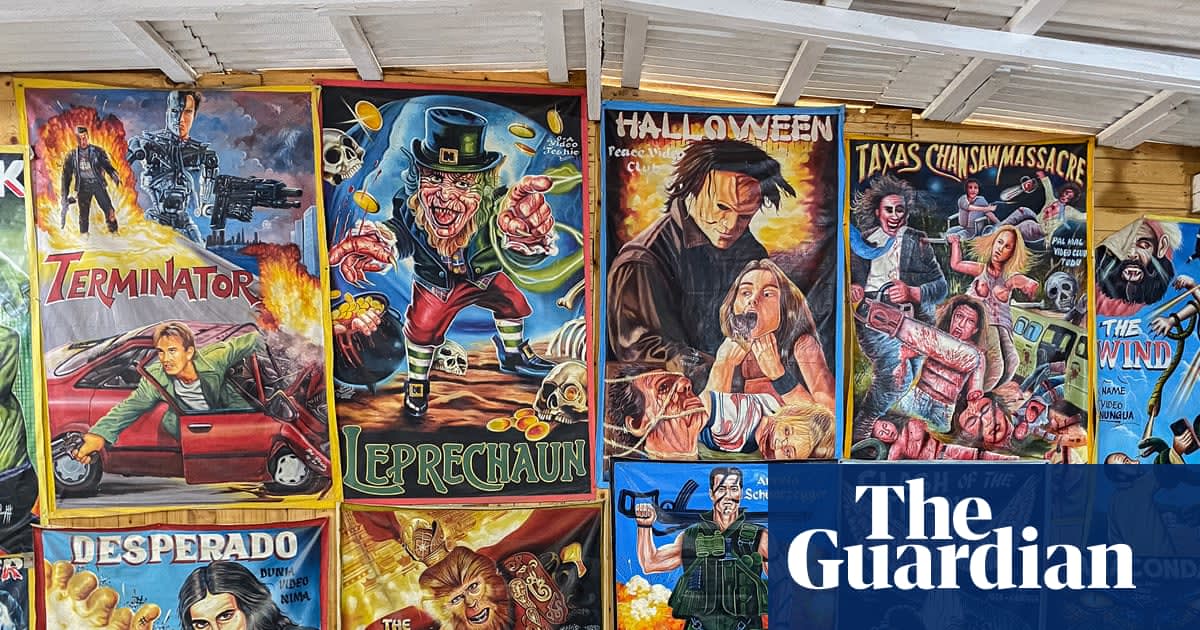
Ghanaian artists like Jeaurs Affutu are gaining global recognition for their unique, hand-painted film posters on flour sacks. These vibrant, sensationalist works reimagine classic films with exaggerated imagery to capture local audience attention, evolving from rural marketing tools into sought-after collectible art.
The Artistic Evolution of Ghanaian Cinema Marketing
In the vibrant neighborhoods of Teshie, near Accra, a unique intersection of traditional craftsmanship and modern cinema marketing has emerged. Artists like Jeaurs Affutu, professionally known as 'Heavy J,' are redefining the aesthetic of film promotion through hand-painted posters. By utilizing humble canvases—specifically repurposed flour sacks—these creators are not merely advertising; they are engaging in a form of visual storytelling that prioritizes emotional impact and intrigue over literal accuracy.
The Art of Sensationalism
The methodology employed by artists like Heavy J is rooted in the necessity of grabbing attention in a crowded marketplace. When tasked with promoting films, these artists often inject hyper-dramatic elements—such as skulls, knives, and exaggerated violence—into narratives where they do not originally exist. As seen in the case of a recent commission for The Little Mermaid, the inclusion of blood and menacing imagery serves as a deliberate creative choice. This 'sensationalist' approach is designed to pique the curiosity of passersby, ensuring that the visual marketing is as captivating as the films themselves.
Materiality and Cultural Preservation
The choice of material is central to the identity of this art form. By painting on flour sacks, these artists bridge the gap between industrial waste and high art. This practice reflects a broader tradition of resourcefulness within Ghanaian creative communities, where the canvas itself tells a story of survival and adaptation. These posters represent a preservation of a specific cultural tradition that flourished during the era of mobile cinema, where hand-painted advertisements were the primary method of drawing crowds to viewing sites.
From Local Marketing to Global Collectibles
What began as a functional tool for rural cinema operators has undergone a significant transformation. Today, these posters are increasingly viewed as collectible art pieces by international audiences and galleries. The shift from a discarded marketing byproduct to a prized aesthetic object highlights a growing global appreciation for African folk art and vernacular design. The 'Heavy J' style, characterized by its bold colors and surreal interpretations, has become a hallmark of this genre, garnering interest from collectors who value the raw, human-made quality of the work.
The Future of Traditional Poster Art
As digital marketing continues to dominate the global film industry, the survival of this hand-painted tradition remains a testament to the enduring power of physical artistry. While the original intent—to sell tickets to local audiences—remains, the secondary market for these posters ensures that the craft survives. By continuing to create these vivid, often startling interpretations of classic films, artists like Jeaurs Affutu are securing their place in the art world, proving that tradition can evolve to meet the demands of a globalized cultural economy.