Changing Cities | How a cable-stayed bridge across bullet train and railway line in Ghatkopar is set to ease traffic
Source Entity
Nayonika Bose
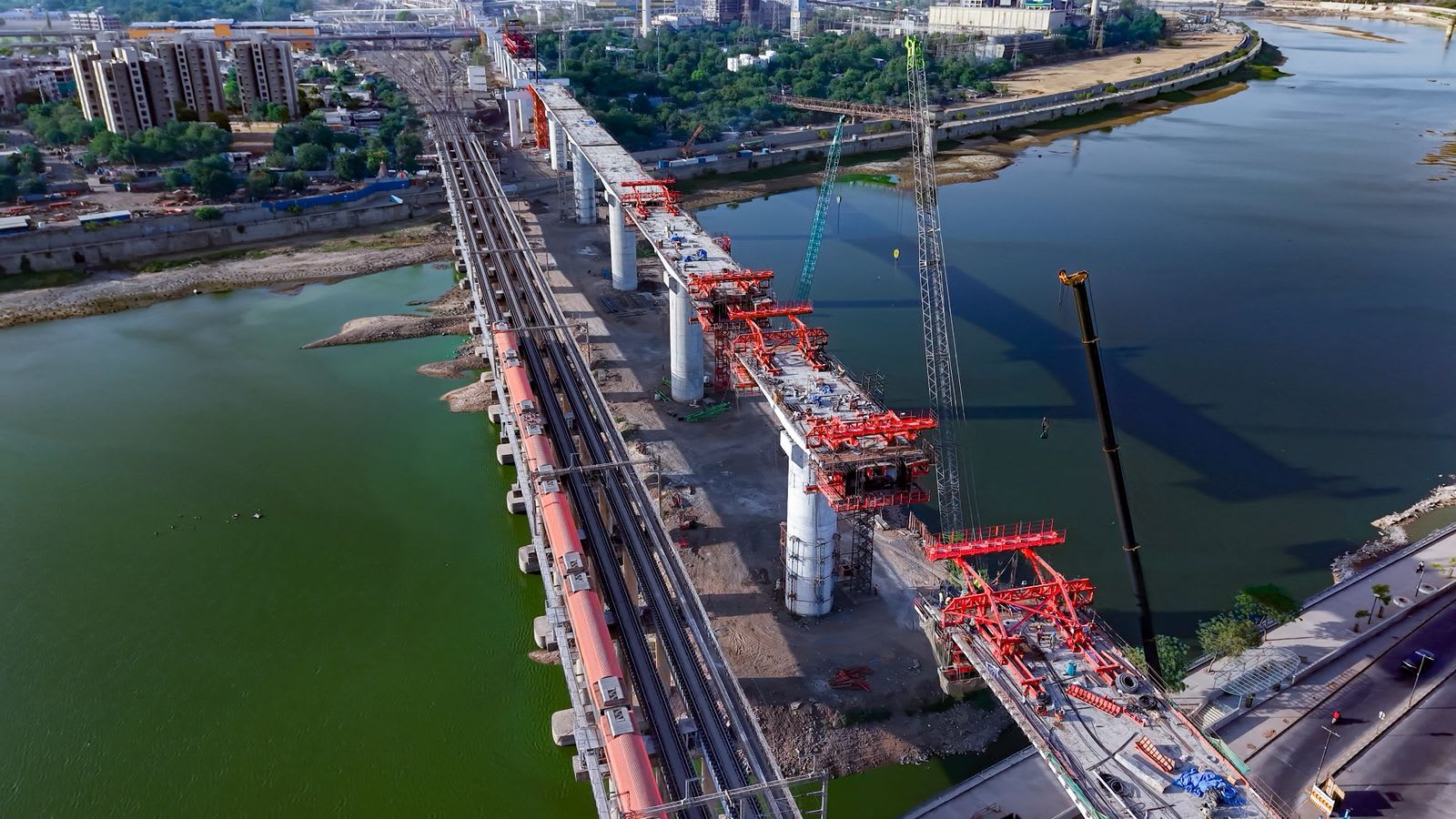
A new cable-stayed bridge is under construction in Ghatkopar, Mumbai, to alleviate traffic congestion. The project, a joint effort by the BMC and MRIDC, will connect eastern and western suburbs while easing pressure on major arterial roads.
Enhancing Mumbai's Connectivity: The Ghatkopar Cable-Stayed Bridge Project
A Strategic Infrastructure Intervention
The city of Mumbai is currently witnessing a significant infrastructure upgrade with the development of a new cable-stayed bridge in Ghatkopar. This project, which seeks to bridge the critical divide between the eastern and western portions of the area, represents a collaborative effort between the Brihanmumbai Municipal Corporation (BMC) and the Maharashtra Rail Infrastructure Development Corporation (MRIDC). By creating a direct vehicular link, the initiative aims to fundamentally alter the movement patterns of thousands of commuters who navigate this densely populated suburb daily.
Addressing Chronic Congestion
Ghatkopar has long been a bottleneck for traffic, largely due to its intersection with the Lal Bahadur Shastri (LBS) Marg and its proximity to major transit corridors. The new bridge is specifically designed to intersect with LBS Marg, serving as a pressure-release valve for the existing road network. By diverting traffic that currently chokes the Andheri-Ghatkopar Link Road (AGLR) and the Jogeshwari region, the bridge promises to reduce travel times and improve the overall efficiency of suburban transit.
Collaborative Governance and Engineering
The partnership between the BMC and MRIDC is a testament to the modern approach of multi-agency cooperation in large-scale urban development. By leveraging the financial and administrative reach of the municipal corporation alongside the specialized rail infrastructure expertise of the MRIDC, the project ensures that the engineering challenges posed by crossing active bullet train and traditional railway lines are met with technical precision. Cable-stayed designs are particularly effective in these scenarios, as they minimize the need for ground-level support structures that would otherwise disrupt rail operations.
Broader Urban Implications
This development is not merely an isolated construction project; it is a vital component of Mumbai's broader effort to modernize its aging transport infrastructure. As the city continues to expand its high-speed rail and suburban railway networks, the demand for grade-separated crossings increases. This bridge serves as a model for future urban planning, demonstrating how vertical infrastructure can be utilized to overcome the geographical and logistical constraints of a city hemmed in by rail lines.
Future Trends and Sustainability
Looking ahead, the success of the Ghatkopar project will likely influence future infrastructure procurement in the Mumbai Metropolitan Region. As traffic volumes continue to rise with the city's growth, the transition toward multi-level transit solutions becomes essential. By integrating this bridge into the existing urban fabric, city planners are setting a precedent for traffic management that prioritizes fluidity and connectivity, ultimately fostering a more sustainable and accessible urban environment for all residents.