Telangana Minister supports student movement, calls on Centre to drop cases against Jantar Mantar protesters
Source Entity
India Latest News: Top National Headlines Today & Breaking News | The Hindu
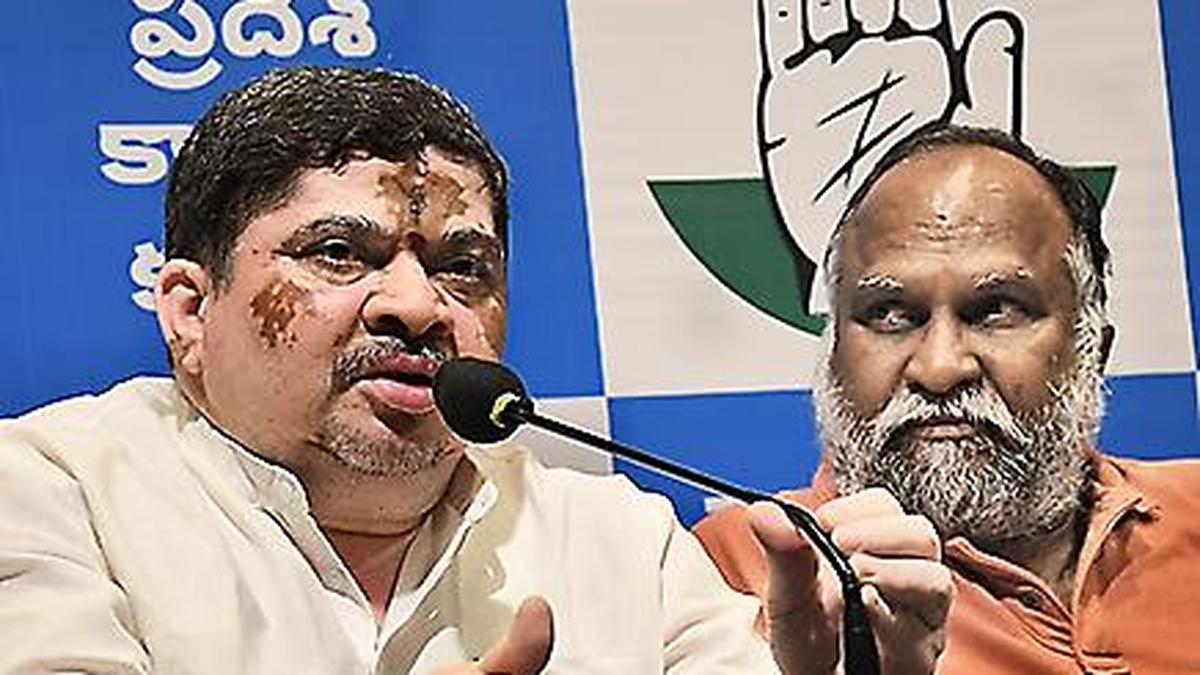
Telangana Minister Ponnam Prabhakar and various organizations in Hyderabad have mobilized in support of students protesting the NEET paper leak. These demonstrators are demanding accountability from the Union government and the withdrawal of cases against activists.
Growing Public Outcry Over NEET Irregularities
The recent wave of protests sparked by the NEET paper leak has transcended local grievances, evolving into a significant national discourse on educational integrity and governance. On July 24, 2026, the fervor reached Hyderabad, where students and activists gathered near the historic Charminar to voice their dissent. This mobilization reflects a broader systemic frustration with the current administration of national examinations, which many believe has jeopardized the future of thousands of aspirants.
Political Solidarity and Ministerial Intervention
Telangana Transport and BC Welfare Minister Ponnam Prabhakar has emerged as a key political figure in this movement. Drawing on his background as a former National Students' Union of India (NSUI) leader, Prabhakar has actively aligned himself with the protesters at Jantar Mantar. His demand for the resignation of Union Education Minister Dharmendra Pradhan on moral grounds highlights the deep political divide surrounding the handling of the paper leak crisis. By framing the right to peaceful protest as a fundamental constitutional guarantee, the Minister has challenged the current state response, particularly criticizing the JNU administration for attempting to stifle faculty and student participation in the agitation.
Multifaceted Grievances: NEET and Beyond
The protests in Hyderabad have expanded beyond the immediate NEET controversy to include broader concerns regarding social and educational justice. Participants, notably those organized by the Students Islamic Organisation (SIO), have linked the NEET issue to the controversial demolition of buildings at Mohammad Ali Jauhar University. This convergence of issues suggests that the student movement is increasingly identifying as a coalition against what they characterize as broader 'anti-student policies.' The use of slogans such as 'Students Need Classrooms, Not Chaos' indicates a desire for institutional stability rather than the perceived volatility caused by current government actions.
Religious and Civil Society Engagement
The involvement of the United Muslim Forum (UMF) underscores the extent to which these grievances have permeated various sectors of civil society. By condemning the alleged use of force by the Delhi Police against peaceful protesters, the UMF has shifted the narrative toward the protection of civil liberties and the rule of law. The panel’s assertion that the Union government has failed to address unemployment, corruption, and economic distress suggests that the NEET controversy is being viewed as a symptom of a larger governance deficit rather than an isolated administrative failure.
Broader Implications and Future Trends
As these protests continue to gain momentum, the pressure on the Union government to provide tangible solutions—such as withdrawing criminal cases against students—will likely intensify. The demand for ex-gratia or support for affected students remains a critical point of contention. Moving forward, the synergy between student unions, political leaders like Prabhakar, and religious forums suggests that this movement may become a protracted struggle for educational reform. The government's ability to navigate these demands without resorting to excessive force will be a litmus test for its commitment to democratic discourse and the protection of student rights in the coming months.
Multiple Citing Sources
Verification Required?