With the future of aid looking bleak, partnerships have become ever more important
Source Entity
The Indian Express
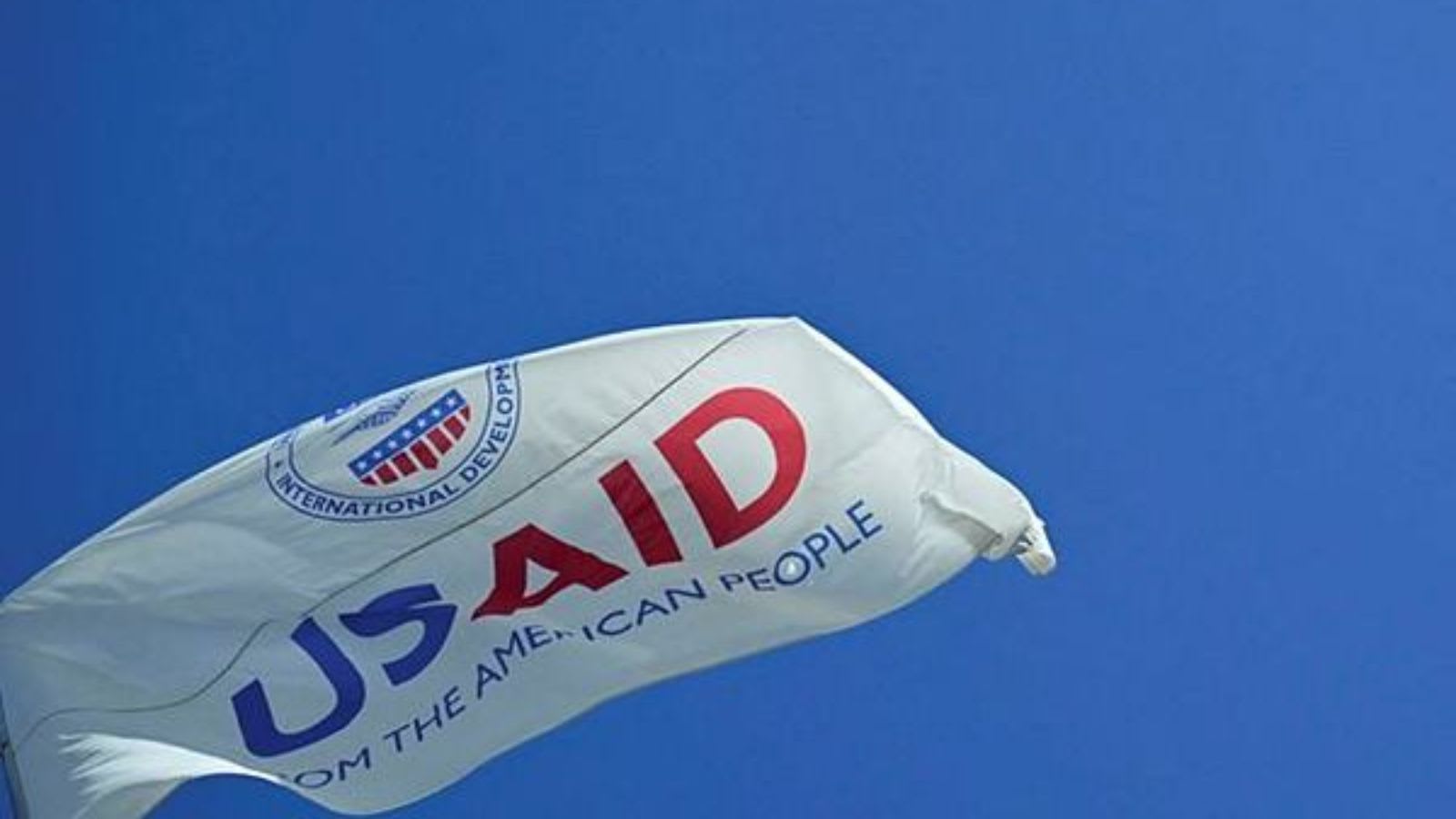
Western aid cuts are creating significant instability in the global development landscape amid rising geopolitical tensions. These shifts reflect a growing trend of inward-looking economic policies and a weakening of established multilateral systems.
The Erosion of the Global Aid Architecture
The global development landscape is currently undergoing a period of profound instability as Western donors increasingly pull back from long-standing financial commitments. As noted by Swati Prabhu, while aid fluctuations are not a novel phenomenon, the current climate of interconnected turmoil has elevated these cuts from routine fiscal adjustments to events of significant strategic consequence. The withdrawal of support is occurring against a backdrop of mounting geopolitical unrest, creating a vacuum that threatens to destabilize vulnerable regions reliant on international assistance.
The Impact of Geopolitical Realignment
At the heart of this shift is a deepening crisis of trust between the Global North and the Global South. This friction is not merely economic; it is systemic, affecting the functionality of the multilateral institutions that have governed international development since the post-World War II era. As nations pivot toward inward-looking economic policies, the collaborative spirit required to address cross-border challenges is being replaced by competitive nationalism. This fragmentation complicates efforts to provide consistent aid, leaving many developing nations to navigate crises without the safety net of international partnerships.
The Trump Administration’s Role in Policy Shifts
Specific policy decisions originating from the Donald Trump administration have served as catalysts for this volatility. By actively dismantling the infrastructure of the United States Agency for International Development (USAID) and withdrawing from landmark international frameworks like the Paris Agreement, the administration has signaled a fundamental departure from traditional development diplomacy. These actions have effectively pushed development issues into the shadows, sidelining long-standing agendas, such as the Indo-Pacific strategy, which previously relied on robust aid to maintain regional stability and influence.
Assessing the Consequences for Multilateralism
These policy shifts have profound implications for the future of global cooperation. When major donors dismantle their development agencies, they do more than just cut budgets; they degrade the institutional knowledge and logistical networks essential for humanitarian response. The sidelining of the Indo-Pacific agenda, in particular, suggests a retreat from regions where the United States historically exercised soft power through development, potentially allowing other global actors to fill the void. This creates a more unpredictable geopolitical environment where the rules of engagement are constantly in flux.
Future Trends and Strategic Necessity
Looking forward, the reliance on traditional Western aid is likely to continue its decline, forcing nations to seek alternative frameworks. As Western influence wanes, we are seeing the rise of emerging global networks in finance, trade, and technology that operate outside the conventional multilateral system. These new networks are becoming increasingly vital as the old guard retreats. For countries dependent on external support, the future will be defined by the ability to pivot toward these new, more fragmented, and perhaps more transactional partnerships to ensure their economic and social survival.
Conclusion
The current state of global aid is characterized by a strategic retreat by traditional powers, leaving the international development community in a state of flux. The combination of internal political shifts in the U.S., a breakdown in North-South trust, and the emergence of new, alternative networks suggests that we are entering a new era of international relations. Moving forward, the effectiveness of development will depend on how quickly global actors can adapt to this decentralized landscape and whether new partnerships can provide the stability that the traditional multilateral system is currently losing.