Factory activity bounced in August as AI fuelled Asian expansion
Source Entity
Yahoo Finance
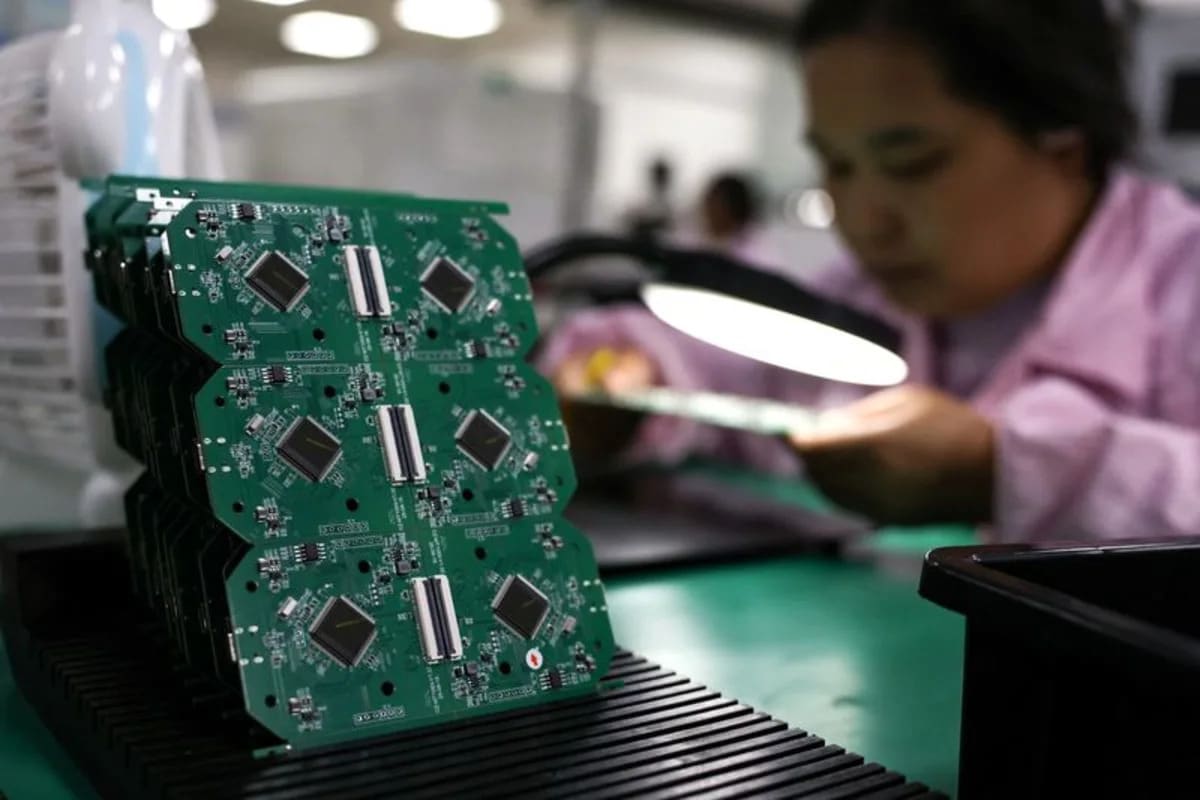
Global manufacturing activity strengthened in August, driven by AI hardware demand in Asia and rebounding orders across Europe. Despite regional variations and geopolitical tensions, the sector shows resilient growth patterns.
Global Manufacturing Trends: A Surge in AI-Driven Expansion
Recent economic data for August indicates a significant uptick in global factory activity, marking a period of renewed optimism for the industrial sector. Central to this growth is the relentless demand for artificial intelligence (AI) hardware, which has acted as a primary catalyst for production booms throughout Asian manufacturing hubs. This technological shift is reshaping global supply chains as companies scramble to meet the infrastructure needs of the AI revolution.
European Manufacturing Recovery
Parallel to the developments in Asia, European markets have demonstrated a robust recovery. The euro zone’s manufacturing sector expanded at its fastest pace in over four years during August. Germany, the economic engine of the continent, spearheaded this growth by reaching a four-year high, while France also maintained a positive trajectory. This collective expansion suggests that European industrial demand is beginning to stabilize and thrive despite broader global economic headwinds.
Employment and Labor Market Resilience
While Britain’s overall manufacturing growth experienced a slight deceleration, the sector’s labor market remains remarkably tight. British factories reported hiring workers at the fastest pace in more than two years. This trend highlights a critical distinction between production speed and workforce expansion; manufacturers are clearly prioritizing long-term capacity building and scaling operations to meet future production requirements even when immediate growth figures fluctuate.
The Shadow of Geopolitical Instability
Despite the positive indicators, the global manufacturing landscape is not without its risks. The prolonged U.S.-Iran conflict continues to loom over international markets, injecting a sense of uncertainty into trade corridors and commodity pricing. This geopolitical friction serves as a constant variable that could disrupt supply chains or impact energy costs, potentially tempering the current momentum in the manufacturing sector.
Regional Divergence and Future Outlook
Not all regions are participating in the current expansion uniformly. Italy, for instance, recorded its first contraction since January, serving as a reminder that the recovery remains fragile and uneven. Moving forward, the interplay between AI-driven demand and geopolitical stability will determine whether this current growth phase can be sustained. Analysts remain cautious, noting that while the manufacturing engine is humming, the potential for volatility remains elevated as nations navigate the complexities of modern trade and international conflict.