Can Ratan Tata’s inherited shares go to his charities?
Source Entity
REEBA ZACHARIAH
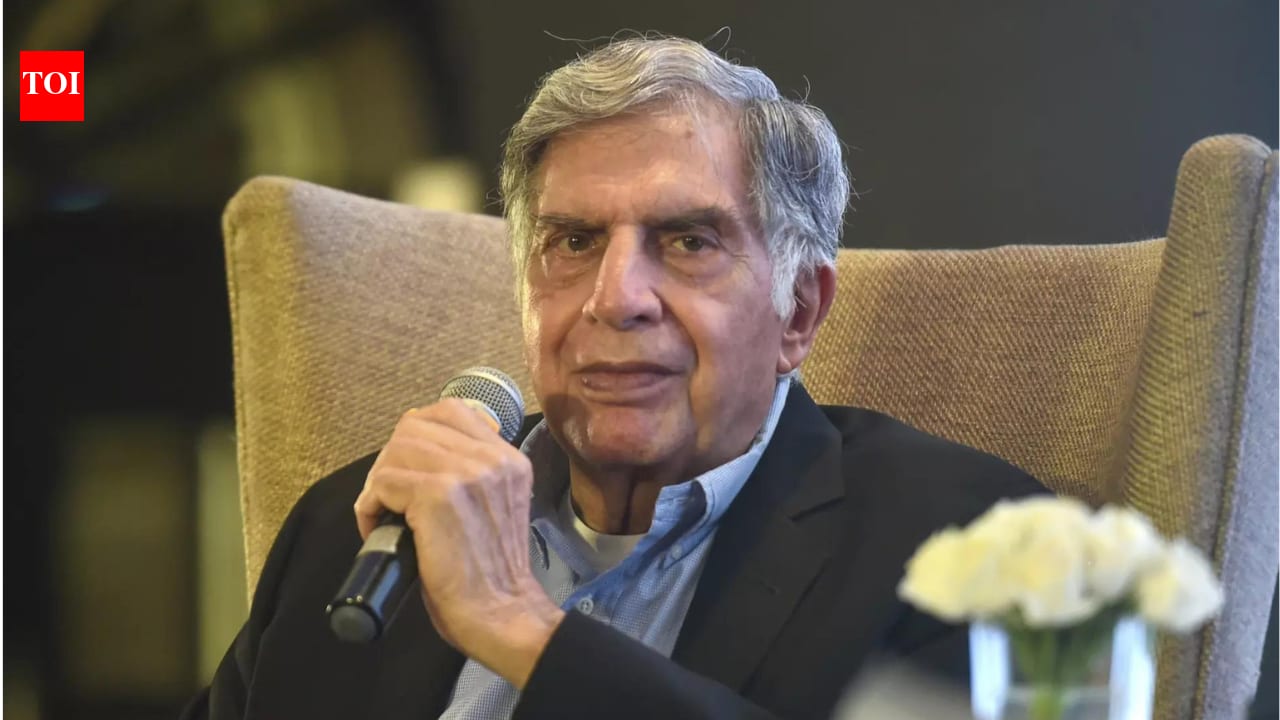
Ratan Tata's decision to bequeath his Tata Sons shares to his charitable trusts faces legal scrutiny due to a 1989 transfer restriction. The Maharashtra charity commissioner is reviewing whether these shares can bypass a family-only transfer condition established decades ago.
The Legacy of Tata Sons: A Legal Quandary
The recent passing of industrialist Ratan Tata has brought to light a complex intersection of corporate governance and philanthropic intent. At the heart of the matter is the disposition of his personal holding in Tata Sons, which he bequeathed to two charitable vehicles: the Ratan Tata Endowment Fund (RTEF) and another entity. However, this act of legacy planning has triggered a significant review regarding the transferability of these shares, rooted in a historical transaction that dates back to 1989.
The 1989 Precedent and Transfer Restrictions
The Maharashtra charity commissioner recently validated a 1989 transaction wherein 833 Tata Sons shares were transferred from the Navajbai Ratan Tata Trust (NRTT) to Naval Tata. While this validation serves to clarify the history of the holdings, it simultaneously surfaced a restrictive covenant attached to that original deal. The conditions stipulated that the shares could only be transferred or bequeathed to the holder’s direct relatives, explicitly prohibiting the transfer of these assets to third parties or external organizations.
Generational Inheritance and Legal Implications
Following the 1989 transfer, Naval Tata distributed these shares among his wife, Simone, and his three sons: Ratan, Jimmy, and Noel. This distribution effectively passed the restrictive covenant down the family line. Because Ratan Tata inherited his portion of these specific shares under these established conditions, the legal question now arises: does the restriction remain binding on his estate? The intent to donate these shares to charitable trusts directly conflicts with the historical mandate that limited ownership to family members.
Philanthropy vs. Fiduciary Constraints
Ratan Tata’s vision for the Ratan Tata Endowment Fund was to perpetuate his commitment to social welfare and nation-building. By attempting to bequeath his holding to these vehicles, he sought to ensure that his wealth continued to support charitable endeavors. However, the legal architecture of the Tata Sons shareholding, designed to keep control within the family or established trusts, creates a friction point between the late chairman’s personal philanthropic goals and the binding agreements that governed his inheritance.
Broader Implications for Corporate Governance
This case highlights the complexities inherent in long-term shareholding agreements within large, multifaceted business conglomerates. When private holdings are governed by conditions established decades prior, they can significantly complicate estate planning for high-profile figures. The resolution of this matter will likely set a precedent for how restrictive covenants in private equity are interpreted in the context of modern charitable bequests in India.
Future Trends and Resolution
As the Maharashtra charity commissioner and legal experts continue to evaluate the situation, the outcome will have profound implications for the future of Tata Sons' ownership structure. If the restriction is upheld, the estate may need to seek alternative methods to fulfill Ratan Tata’s charitable vision without breaching the 1989 mandate. This situation serves as a critical case study on the importance of aligning estate planning with the historical legal constraints of corporate assets.