Morning Bid: Summiteering
Source Entity
Yahoo Finance
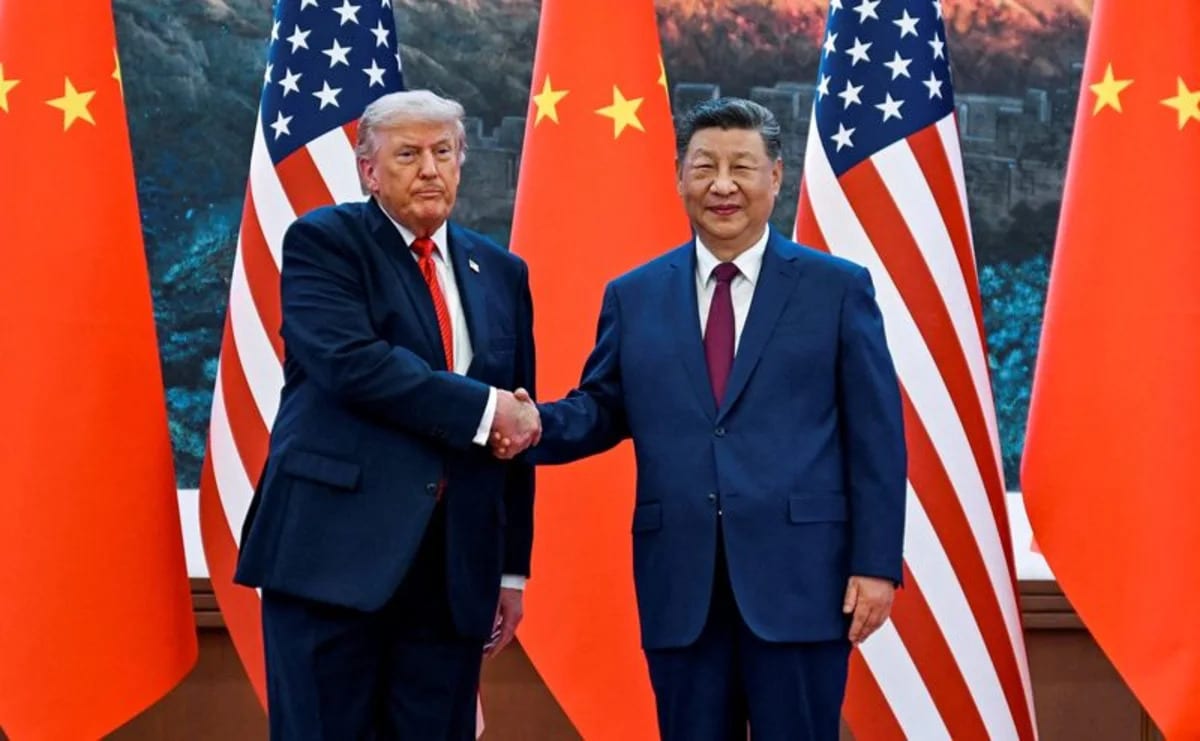
Global markets are pivoting from central bank volatility to high-stakes diplomacy as world leaders convene at the UN General Assembly. A critical meeting between President Trump and President Xi Jinping highlights a week defined by trade, AI, and ongoing geopolitical conflicts.
The Shift from Monetary Policy to Geopolitics
Following a period of intense volatility driven by central bank tightening, global markets are recalibrating their focus toward high-level international diplomacy. As world leaders descend upon New York for the United Nations General Assembly, the narrative has shifted from interest rate speculation to the complex web of statecraft that governs the current global order. This transition underscores the fragility of current economic stability, which remains deeply tethered to the geopolitical decisions made by major powers.
The Washington Summit: A Strategic Pivot
Central to this week's diplomatic agenda is the highly anticipated meeting between U.S. President Donald Trump and Chinese President Xi Jinping in Washington. This summit represents a critical juncture for U.S.-China relations, as both nations grapple with the necessity of cooperation amidst strategic competition. The groundwork for this engagement was laid during a preparatory meeting between Treasury Secretary Scott Bessent and Vice Premier He Lifeng, who focused on establishing an agenda covering trade relations, emerging concerns regarding artificial intelligence, and broader geopolitical alignment.
The Shadow of Global Conflict
Despite the optimism surrounding diplomatic summits, the backdrop remains grim. The weekend was dominated by reports of escalating violence, with both Riyadh and Moscow facing direct attacks. The involvement of Iran-backed Houthi forces in the strike on Saudi Arabia and the ongoing conflict in Ukraine highlight the precarious nature of global security. These regional wars are not merely isolated incidents; they serve as a 'noisy' interference that complicates the ability of world leaders to reach substantive agreements during the General Assembly.
Economic Implications of Diplomatic Friction
For investors and market analysts, the intersection of these two realities—diplomatic engagement and military escalation—creates an environment of extreme uncertainty. Markets are currently attempting to price in the risks associated with the trade tensions discussed by Bessent and He, while simultaneously accounting for the supply chain disruptions and energy security threats posed by the conflicts in the Middle East and Eastern Europe. The ability of the U.S. and China to find common ground on trade and AI will be a primary indicator of whether global economic stability can be maintained.
Future Trends and Outlook
Looking ahead, the outcomes of the UN General Assembly and the Trump-Xi summit will likely set the tone for the remainder of the year. If the meetings produce tangible frameworks for managing AI development and stabilizing trade, we may see a temporary cooling of market volatility. However, if the geopolitical friction in Moscow and Riyadh continues to intensify, the diplomatic efforts in Washington may be overshadowed by the realities on the ground, leading to a sustained period of market caution and defensive positioning by global financial institutions.