Futures point to Black Friday gains for Wall Street as global markets welcome U.S. resilience.
Source Entity
Jamie Chisholm
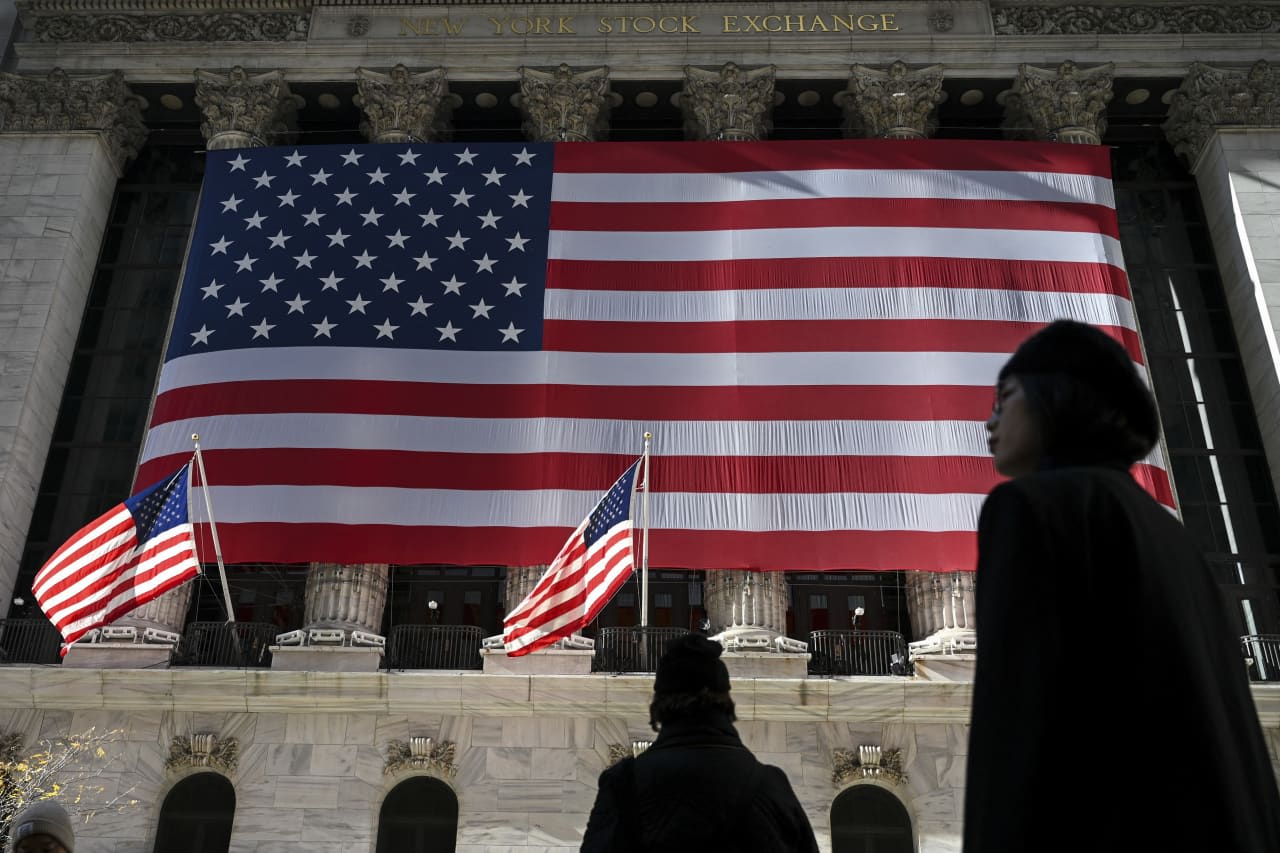
Global markets are staging a recovery following a recent sell-off sparked by artificial intelligence sector volatility. Investors are now recalibrating portfolios to account for incoming Trump-era tariff policies and persistent macroeconomic risks like inflation and energy costs.
Market Resilience Amidst Volatility
Global financial markets have demonstrated a notable capacity for recovery as they emerge from a period of acute instability. The recent 'AI wash out'—a sharp sell-off triggered by concerns within the technology sector—had initially rattled investor confidence, causing significant dips in major indices. However, the S&P 500’s successful rebound from its midweek lows serves as a critical indicator of underlying market resilience, signaling that investors are moving past the initial shock and refocusing on broader economic fundamentals.
The AI Correction and Investor Sentiment
The volatility observed in recent sessions was largely driven by a reassessment of artificial intelligence valuations. After a prolonged period of aggressive growth, the tech sector faced a correction as market participants questioned whether current prices fully accounted for the risks of rapid capital expenditure versus long-term profitability. This cooling-off period, while painful for short-term traders, is viewed by many analysts as a necessary recalibration that allows the market to digest the massive gains seen throughout the year.
Navigating the Trump Tariff Landscape
Beyond the tech sector, the global investment community is now squarely focused on the geopolitical and economic implications of President-elect Donald Trump’s proposed tariff strategies. These trade policies have introduced a new layer of complexity to corporate planning, as investors weigh the potential for increased costs against the promise of domestic protectionism. The market is currently in a 'wait-and-see' mode, attempting to price in the probability of trade retaliation from international partners and the resulting impact on global supply chains.
Macroeconomic Pressures: Oil and Inflation
Adding to the complexity are lingering macroeconomic headwinds, specifically the intersection of rising oil prices and persistent inflation. Energy costs remain a significant variable in the global inflation equation; as oil prices fluctuate, they exert direct pressure on both consumer spending power and corporate operating margins. The current market recovery suggests that investors are cautiously optimistic that these inflationary pressures can be managed without triggering a broader economic contraction.
Future Trends and Strategic Outlook
Looking ahead, the interplay between fiscal policy, corporate earnings, and sector-specific rotation will define the trajectory of the markets through the end of the year. While Black Friday gains reflect short-term optimism, the path forward remains contingent on how effectively the U.S. economy navigates the transition to a new trade regime. Investors are likely to favor sectors that demonstrate pricing power and immunity to import levies, as they seek to hedge against the volatility inherent in the current geopolitical environment.
Conclusion
In summary, the transition from an AI-driven sell-off to a more stable market environment highlights the adaptive nature of global bourses. While the immediate threat of a broad-based decline has subsided, the market remains highly sensitive to policy shifts regarding trade and energy. The coming months will require a disciplined approach as participants adjust to a landscape defined by both technological potential and the realities of a shifting global trade order.
Verification Required?