Global stocks close out a tough week as bond yields, oil stay high
Source Entity
Yahoo Finance
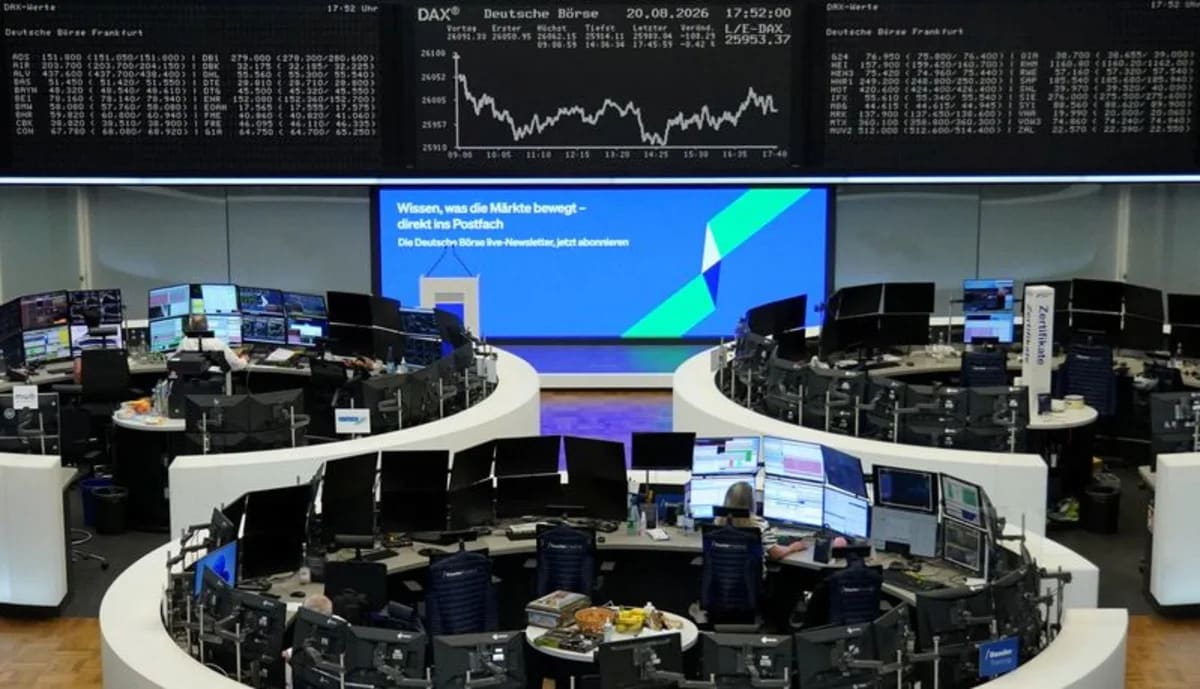
Global stock markets are facing downward pressure due to persistent bond market instability and rising oil prices caused by Gulf diplomatic tensions. Despite intervention efforts by the U.S. Treasury, investor skepticism remains high regarding fiscal policy effectiveness.
Market Turbulence: A Convergence of Fiscal and Geopolitical Pressures
Global financial markets are currently navigating a precarious environment, defined by a broad downturn as the week draws to a close. The confluence of persistent strain in international bond markets and a sharp escalation in oil prices—driven by a deepening diplomatic deadlock in the Gulf—has created a "perfect storm" for investors. This volatility marks a significant departure from more stable periods, signaling that the current market landscape is increasingly susceptible to both macroeconomic policy shifts and sudden geopolitical shocks.
The Bond Market Crisis and Treasury Intervention
The fundamental driver of the current market anxiety is the renewed climb of U.S. government bond yields. Despite a brief respite following a surprise intervention by the U.S. Treasury earlier in the week, the relief was short-lived. The rapid return to selling activity underscores deep-seated investor concerns regarding persistent inflation and the long-term sustainability of fiscal pressures. When yields rise, they generally signal a lack of confidence in government debt, forcing a revaluation of equity assets that are now competing against higher, safer interest-bearing alternatives.
Fiscal Consolidation and Policy Skepticism
In an attempt to stabilize the markets, U.S. Treasury Secretary Scott Bessent has proposed expanding the government’s repurchase of Treasuries and has floated the necessity of fiscal consolidation. While these measures are intended to signal proactive management, they have been met with widespread skepticism from financial analysts. The core issue remains the U.S. budget deficit, which currently exceeds 6% of gross domestic product. Experts are doubtful that the Treasury can identify sufficient spending cuts to meaningfully address a deficit of this magnitude, suggesting that policy tools may be insufficient to curb the current fiscal trajectory.
The Geopolitical Multiplier: Oil Price Spikes
Adding to the economic strain is the resurgence of oil prices to one-month highs. The diplomatic deadlock within the Gulf region has introduced a supply-side risk that exacerbates inflationary pressures. High energy prices act as a tax on consumers and businesses alike, tightening profit margins and dampening global growth prospects. Because energy costs are a critical input for almost every sector of the global economy, this surge acts as a multiplier, intensifying the negative sentiment already present in the equity markets.
Future Trends and Market Outlook
Looking ahead, the interplay between fiscal policy and energy supply will remain the primary determinant of market direction. Should the diplomatic impasse in the Gulf continue, oil prices may maintain their current upward momentum, further complicating the central banks' efforts to manage inflation. Simultaneously, the market's reaction to Treasury policy suggests that investors are no longer satisfied with temporary interventions; they are demanding structural changes to fiscal policy that appear increasingly difficult to implement in the current political climate. Investors should anticipate continued volatility as the market tests the limits of government influence on global capital flows.