Walmart is finally adding Apple Pay and Google Pay
Source Entity
Emma Roth
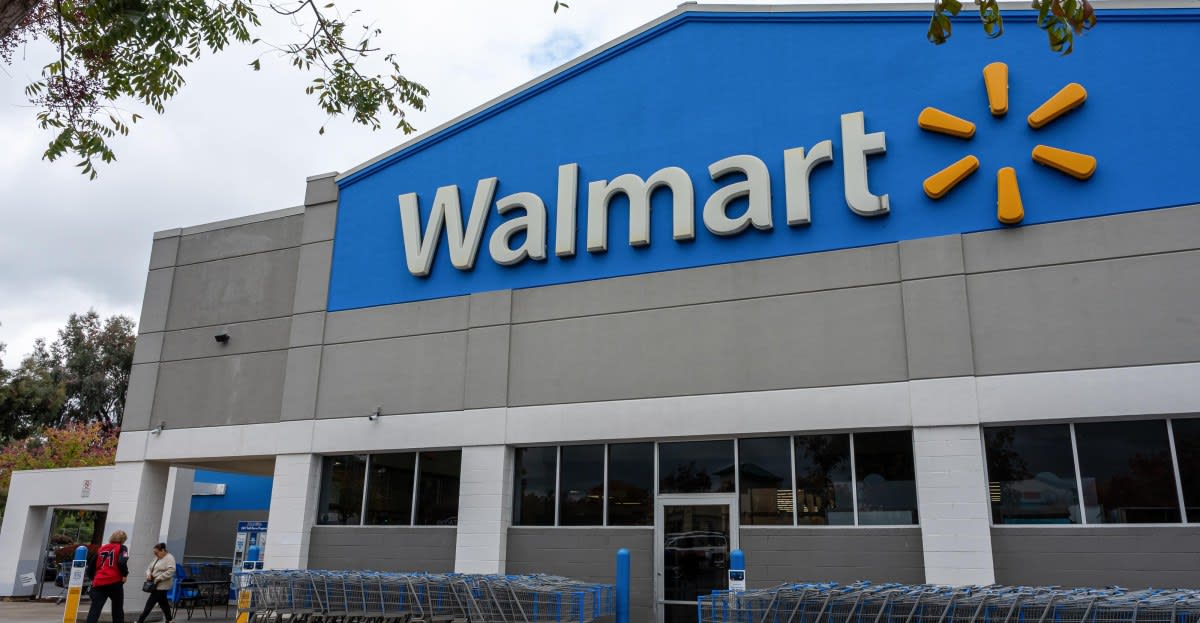
Walmart has announced it will finally support Apple Pay and Google Pay, with a rollout beginning August 24. This shift moves the retailer away from its long-standing proprietary payment strategy, despite a concurrent 9% drop in stock price.
The End of a Retail Holdout
For years, Walmart stood as one of the most prominent holdouts against the industry-standard 'Tap to Pay' ecosystem. By refusing to support Apple Pay and Google Pay, the retail giant attempted to force customers into its own proprietary digital wallet, Walmart Pay, and its mobile Scan-and-Go features. This strategy, which included historical attempts to build competing payment frameworks like CurrentC, was designed to capture consumer data and keep shoppers within the retailer’s own digital ecosystem.
Strategic Pivot in Payment Infrastructure
The announcement that Walmart will finally integrate Apple Pay and Google Pay marks a significant departure from this long-standing policy. Starting August 24, select Walmart and Sam’s Club locations will begin accepting these universal payment methods. The company has outlined a phased rollout plan, aiming for full implementation across all U.S. stores by the end of 2026 and extending the capability to all its fuel stations by mid-2027. This transition represents a major acknowledgment that consumer convenience and the ubiquity of mobile wallets have finally outweighed the benefits of a walled-garden payment approach.
Market Reaction and Financial Context
Interestingly, this news was accompanied by a notable 9% decline in Walmart's stock price, which saw shares fall from $114.30 to $103.84. This market movement occurred despite the company reporting earnings that exceeded analyst estimates and raising its full-year guidance. The divergence between strong operational performance and a negative stock reaction suggests that investors may be weighing the costs of updating point-of-sale infrastructure against the broader retail outlook, or perhaps reacting to the company's fourth consecutive earnings day stock dip.
Historical Significance of the Shift
To understand the magnitude of this change, one must look at the retail landscape of the last decade. Walmart’s resistance to NFC-based payments (Near Field Communication) was a calculated attempt to avoid the transaction fees and ecosystem control associated with Apple and Google. By leveraging QR-code based solutions like Walmart Pay, introduced in 2016, the company hoped to maintain a direct relationship with the user. The decision to abandon this isolationist strategy suggests that competitive pressure and customer demand for a frictionless checkout experience have finally broken the retailer's resolve.
Future Implications for Retail
As Walmart integrates these services, the retail sector is likely to see a further consolidation of payment standards. By adopting the same technologies as their competitors, Walmart is effectively signaling that it can no longer afford to differentiate itself through checkout friction. Looking ahead, the focus will likely shift from 'how' customers pay to 'what' incentives are offered within those apps. This move could set a precedent for other remaining holdouts in the retail sector, signaling that the era of proprietary mobile wallets in big-box retail is rapidly coming to a close.
Multiple Citing Sources