GM Backs Sodium Ion Batteries for U.S. Grid Storage
Source Entity
Hacker News
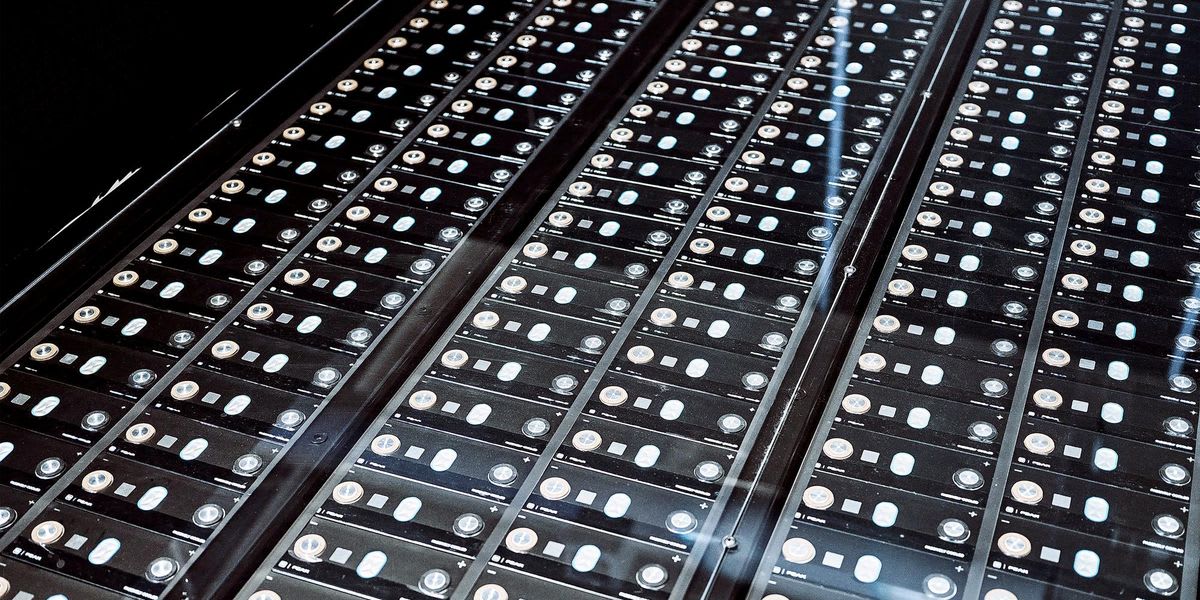
General Motors is backing startup Peak Energy to revitalize U.S. sodium-ion battery technology for grid storage. This move aims to challenge China's dominance in the sector following several high-profile failures of Western battery firms.
The Strategic Pivot to Sodium-Ion Storage
The energy storage landscape is currently undergoing a radical transformation as General Motors (GM) pivots its strategic interest toward sodium-ion battery technology. Despite a history of failed ventures in the United States, including the closure of operations by firms such as Natron Energy and Bedrock Materials, GM has opted to support the Colorado-based startup Peak Energy. This initiative represents a concerted effort to overcome the 'ignominious list' of over a dozen failed Western battery companies that struggled to bring this specific chemistry to market viability.
The Shadow of Global Competition
The urgency for a domestic solution in the United States is largely underscored by the rapid advancements of Chinese industrial giants. In April, CATL—the world’s largest battery manufacturer—announced a massive supply agreement for 60 gigawatt-hours of sodium-ion cells to grid storage provider HyperStrong. This development is widely viewed as a signal that China is positioning itself to dominate the sodium-ion sector, much as it did with lithium-iron phosphate (LFP) technology in previous years, leaving Western competitors scrambling to secure a foothold in the renewable energy supply chain.
Challenges in Scaling Sodium Technology
Sodium-ion batteries are often hailed as a cheaper, more sustainable alternative to traditional lithium-ion batteries due to the abundance of salt. However, the path to commercialization has been fraught with technical and financial hurdles. The recent failures of Natron Energy and Bedrock Materials illustrate the difficulty of scaling production in a market that demands high performance and reliability for grid-scale applications. Peak Energy now faces the daunting task of proving that this chemistry can be robust enough for long-term grid storage, a critical component for stabilizing electrical networks reliant on intermittent renewable sources like wind and solar.
The Role of Corporate Backing
The involvement of General Motors is a significant vote of confidence that may provide the necessary capital and technical expertise to bridge the 'valley of death' often faced by energy startups. By backing Peak Energy, GM is not merely investing in a single company; it is participating in a larger industrial policy shift aimed at ensuring the U.S. remains competitive in the global energy storage race. This partnership highlights a growing trend where automotive giants leverage their manufacturing scale to influence the broader energy infrastructure.
Future Trends and Market Implications
Looking ahead, the success of this endeavor will depend on whether Peak Energy can effectively navigate the supply chain and technical challenges that sank its predecessors. If successful, the deployment of sodium-ion batteries could significantly lower the cost of grid storage, facilitating a faster transition to clean energy. Conversely, if the U.S. remains unable to scale this technology, it risks becoming entirely dependent on Chinese-manufactured storage solutions, a prospect that carries significant geopolitical and economic implications for national energy security.